
Last updated November 2, 2026
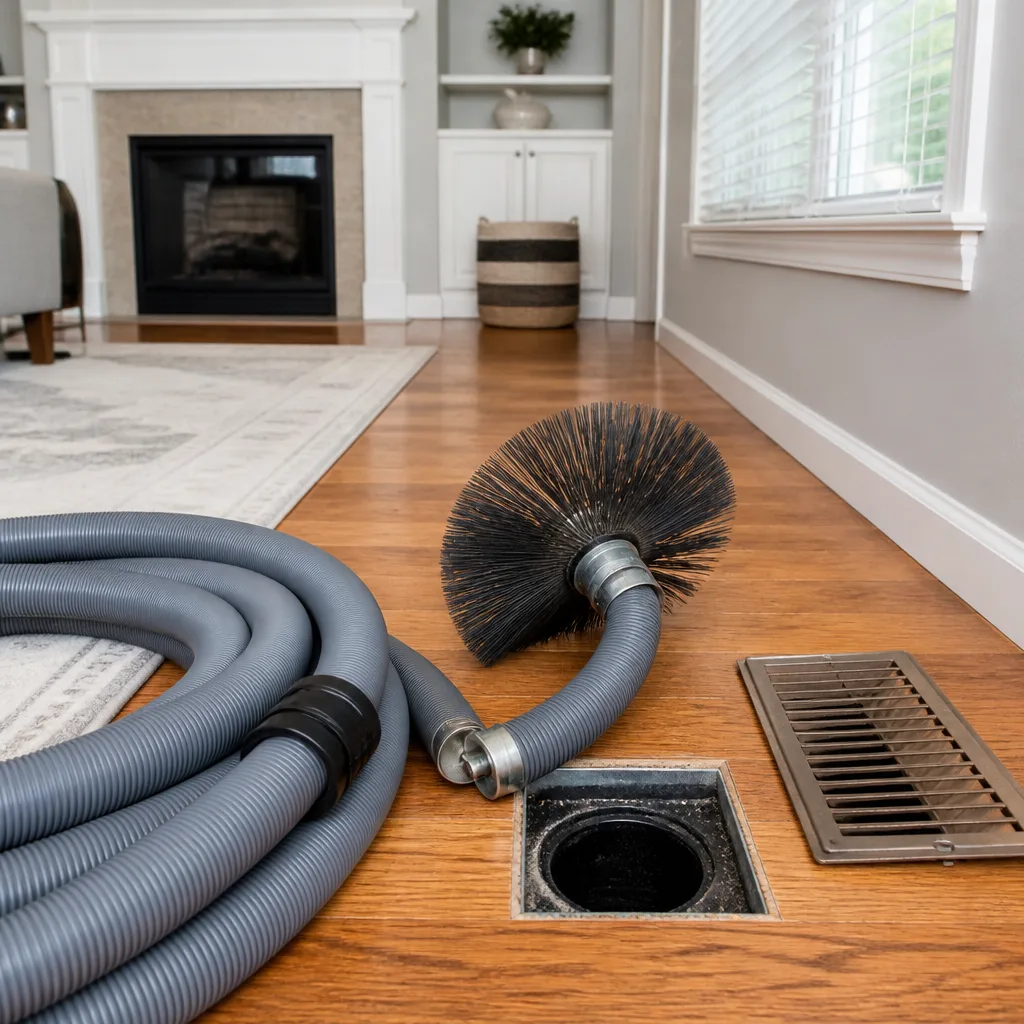 Whole-home duct cleaning
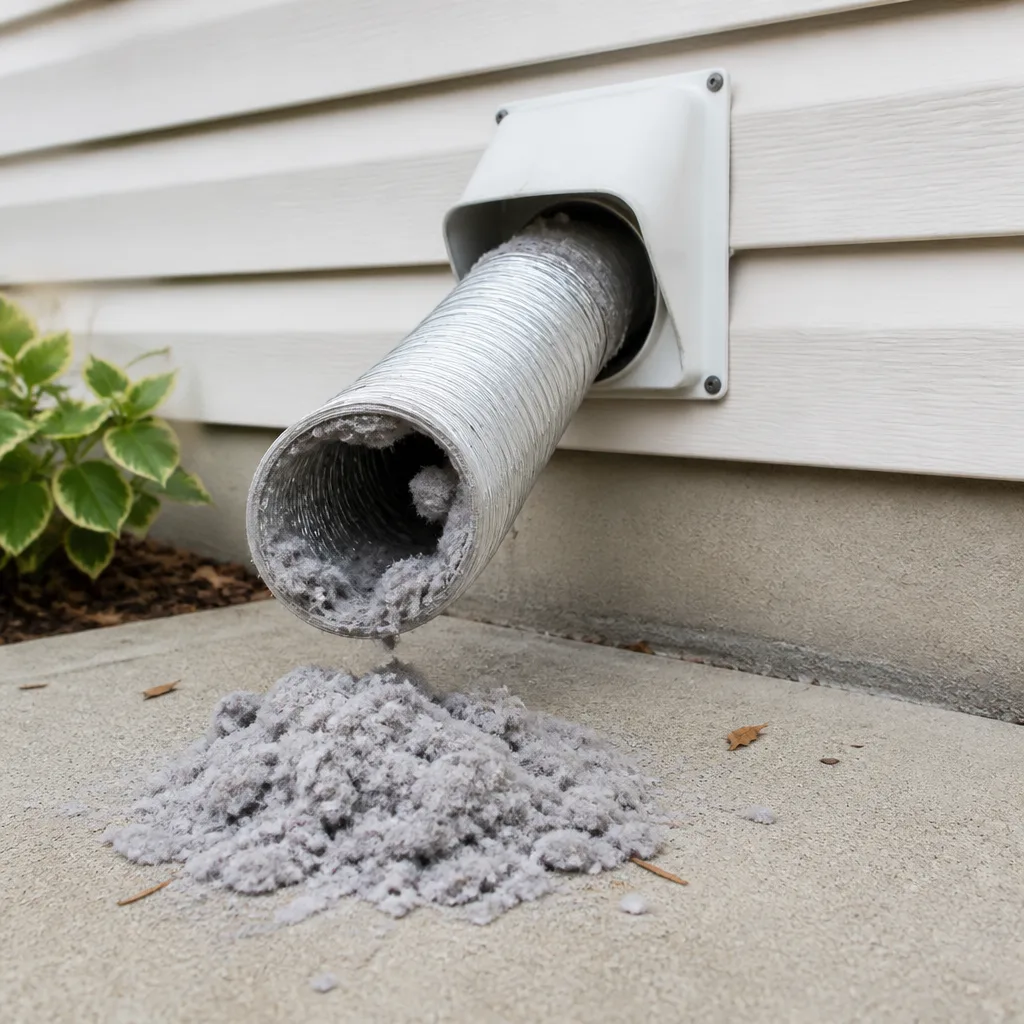 Dryer vent cleaning
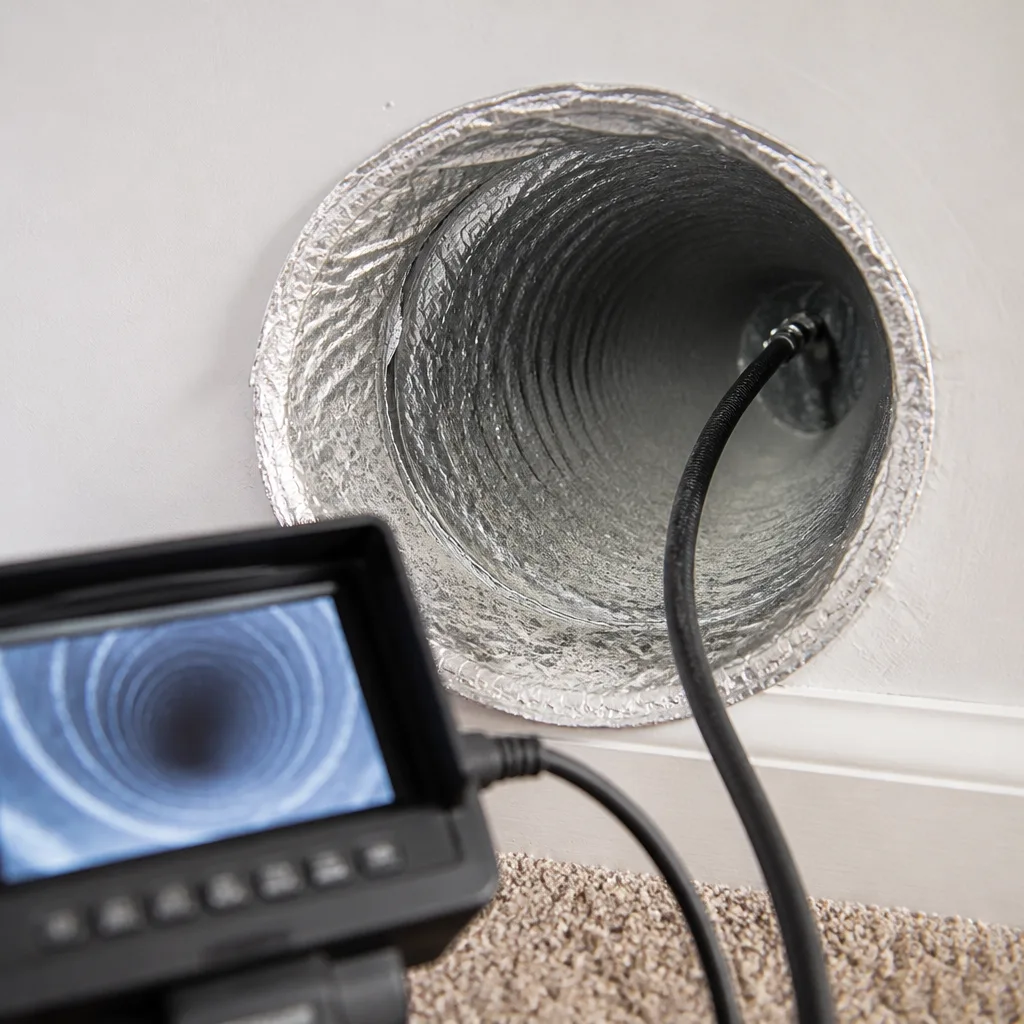 Camera inspection
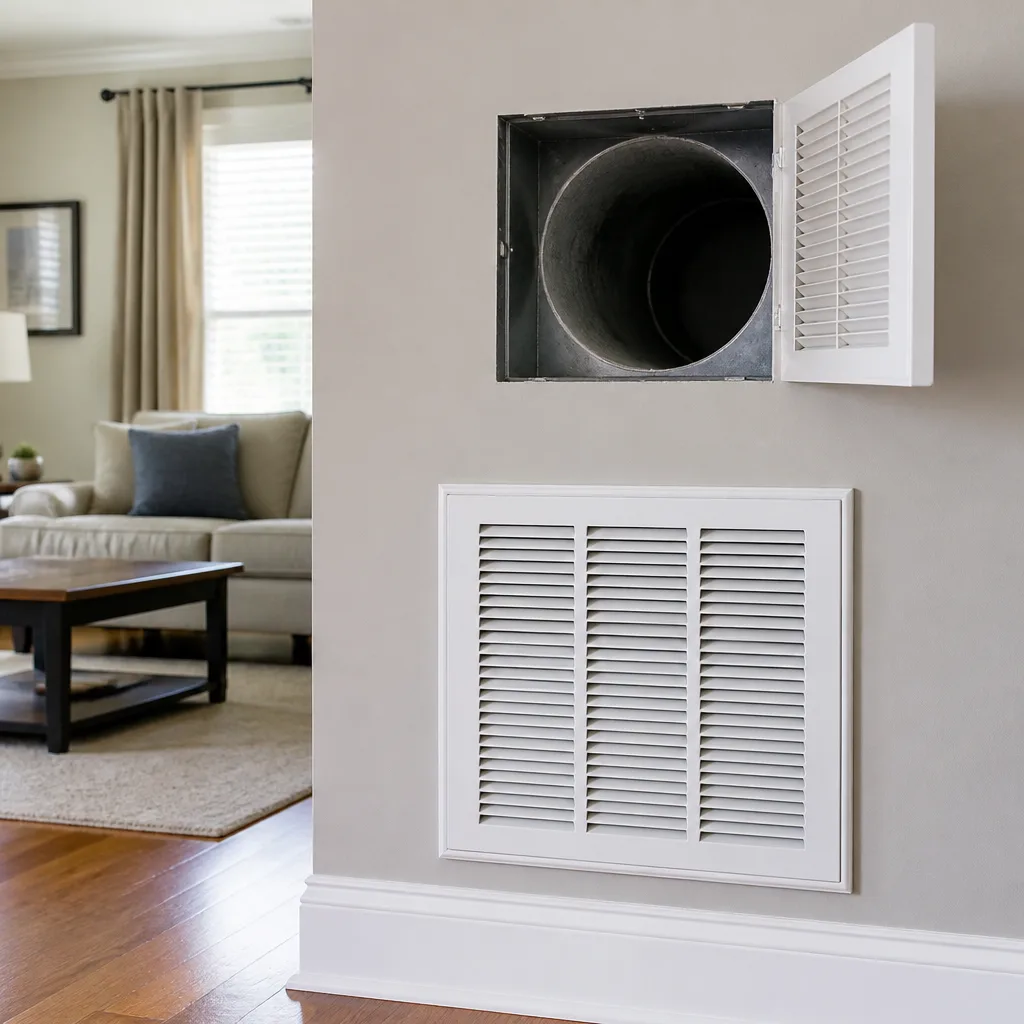 Sanitizing & deodorizing
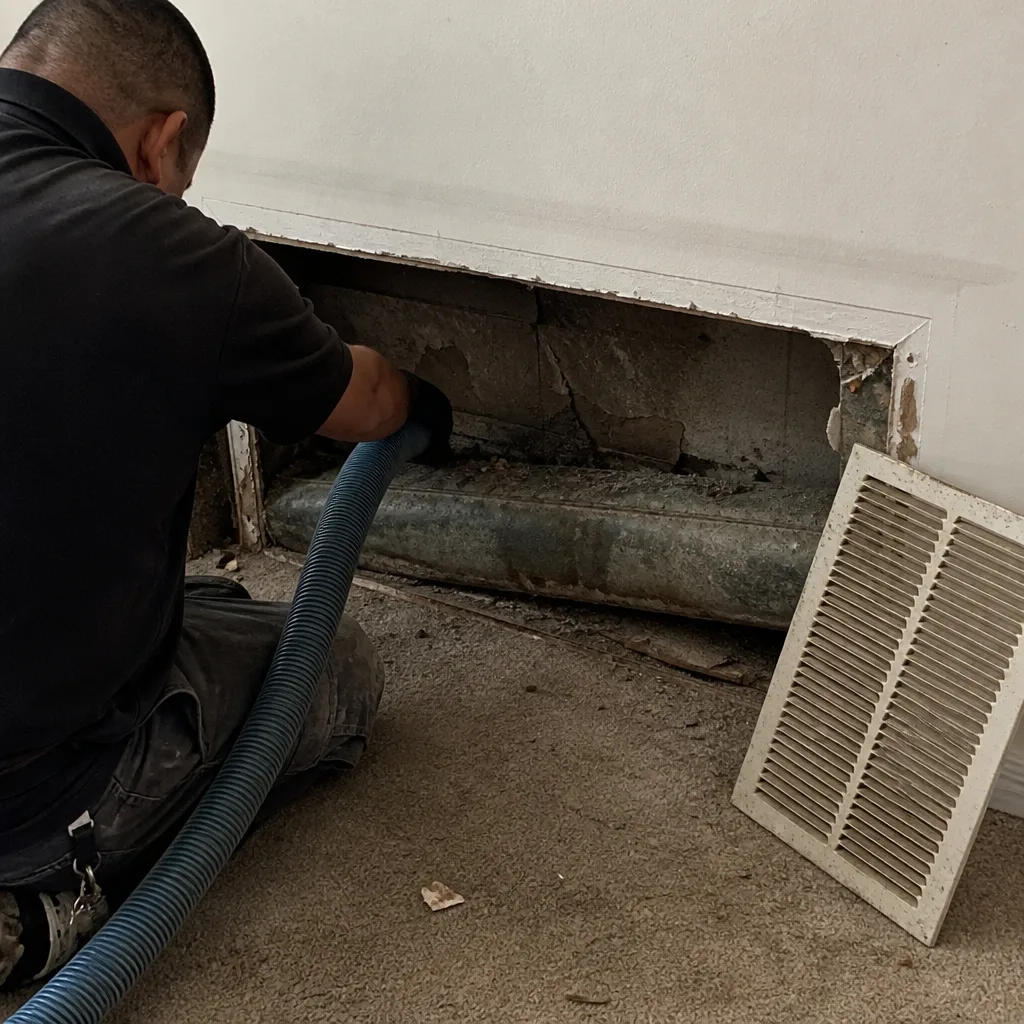
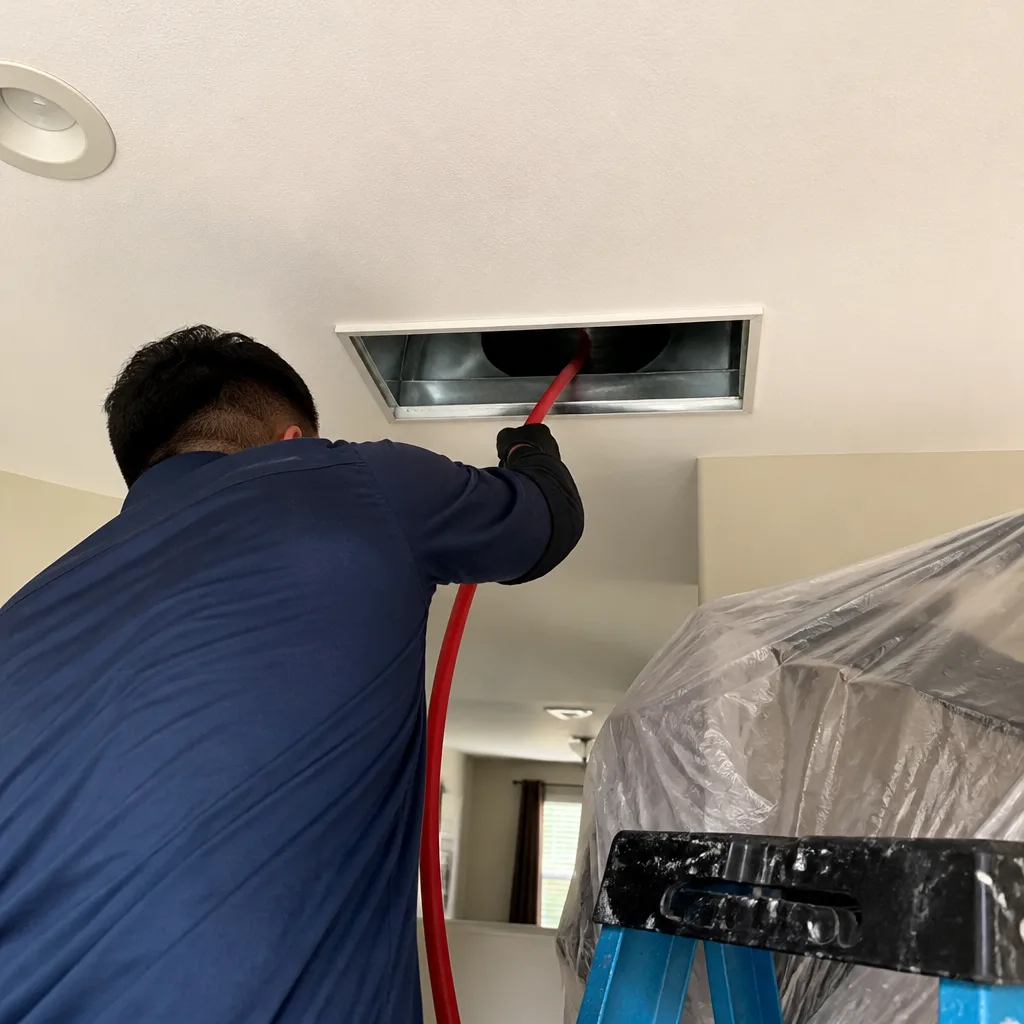
Whole-system duct and dryer vent check with before-and-after photos - you see exactly what came out of your vents
That "$99 whole-house special" is a bait ad - the real number appears once they are in your hallway, or the "clean" is a shop-vac at the register. We photograph the inside of your ducts before and after instead.
Air Duct Cleaning Maintenance Checklist for La Mesa Homeowners
Most duct maintenance checklists you’ll find online were written for a generic American house somewhere in Ohio or Georgia. They tell you to change your filter and maybe peek at a register. They don’t mention that La Mesa’s climate, with summer highs that regularly push past 100°F and cool, damp marine-layer mornings, puts a specific kind of stress on ductwork that homeowners in milder climates never face. This guide gives you a month-by-month system built for inland San Diego conditions, plus the warning signs that tell you when a visual check is enough and when it’s time to pick up the phone for professional Air Duct Cleaning services.
Quick Answer
An effective air duct maintenance checklist for La Mesa homeowners should follow a three-part rhythm: replace or clean your HVAC filter every 30 to 90 days depending on household type, visually inspect accessible ductwork twice a year for disconnection and compression, and schedule a professional cleaning every 3 to 5 years, or sooner if you’ve renovated, had pests, or noticed persistent dust. For related guidance, see our Air Duct Cleaning Troubleshooting: Common Problems and How to Fix Them. The checklist below breaks this into a month-by-month calendar specific to La Mesa’s hot, dry summers and cool, damp winters.
Styles & brands we work with
- Whole-home duct cleaning
- Dryer vent cleaning
- Camera inspection
- Sanitizing & deodorizing
Table of Contents
- Why La Mesa’s Climate Demands a Different Checklist
- The Month-by-Month Duct Maintenance Calendar
- How to Visually Inspect Accessible Ductwork
- Filter Selection Matrix: Matching MERV Rating to Your Household
- What to Document Before and After Professional Cleanings
- Warning Signs: Monitor vs. Call Now
- When Cleaning Isn’t Enough: Duct Repair in La Mesa
- The Dryer Vent Component Most Checklists Ignore
Why La Mesa’s Climate Demands a Different Checklist
La Mesa sits in a unique microclimate zone. We’re far enough inland to lose the coastal fog by mid-morning, but close enough to the ocean to get those cool, moist nights from late fall through early spring. That temperature swing is the culprit behind most of the duct problems we see. Flex duct, the flexible insulated tubing used in most La Mesa homes built after the 1980s, expands when it’s hot and contracts when it’s cool. After enough cycles, the zip ties and foil tape holding it to register boots and air handler plenums start to fail. The duct doesn’t tear; it slowly pulls loose.
That’s why a national checklist that says “inspect ducts annually” misses the point. A connection that was secure in March can be hanging half-off by September, with conditioned air pouring into the attic instead of your living room. We regularly see attic temperatures in La Mesa exceed 120°F in August. If your ductwork has a partial disconnection, you’re paying to cool your attic. The checklist below accounts for this by scheduling visual inspections at the two points in the year when duct connections are under maximum stress: early fall after the hottest stretch, and early spring after the dampest stretch.
Another La Mesa-specific factor is dust composition. Our soil produces a fine, mineral-heavy dust that’s lighter than the organic dust common in humid climates. It stays airborne longer, passes through weaker filters more easily, and coats duct interiors faster. Homeowners near the western edge of La Mesa, closer to the 125 and 8 freeways, also contend with brake dust and tire particulate from traffic. None of this shows up on a generic national checklist, but it all affects how often your ducts actually need attention.
The Month-by-Month Duct Maintenance Calendar
This calendar is built around La Mesa’s climate cycle, not a generic four-seasons template. Follow the months as written, and adjust only if you have an unusual household situation like an in-home woodshop or a resident with severe respiratory conditions.
January to February: Cool Season Inspection
During these months, outdoor temperatures stay mild and your HVAC system runs less frequently. That makes it the ideal window for a thorough visual inspection of accessible ductwork without rushing.
- Inspect every visible duct connection. Go into the attic if it’s accessible, or check exposed duct runs in garages, basements, and closets. Look for sagging duct between support straps, gaps at register boots, and foil tape that’s peeling or brittle.
- Check for moisture stains. La Mesa’s winter marine layer brings condensation. Look for dark or discolored spots on insulation jackets, rust on register faces, or any musty odor when the system first kicks on.
- Replace your filter. Do this on a schedule, not when it looks dirty. See the filter matrix below for your replacement interval.
- Inspect the outdoor condenser unit. Clear away any leaves, debris, or overgrown vegetation within two feet of the unit. Reduced airflow at the condenser strains the entire system.
March to April: Pre-Summer Preparation
These months are the calm before the heat. This is when you want to catch anything that will become a problem once the system runs hard.
- Schedule any professional duct cleaning now. Most La Mesa HVAC companies get booked solid by May. Scheduling in March or April means you’ll have clean ducts before the first heat wave, not after it.
- Check all register grilles for blockage. Move furniture, rugs, and storage boxes away from supply and return vents. Restricted airflow increases static pressure, which accelerates duct leakage at weak connections.
- Inspect flexible duct for compression. In accessible areas, confirm no section of flex duct is kinked or crushed. We’ve seen ducts compressed by boxes in garages or by failed support straps in attics, reducing airflow by 50% or more.
- Test airflow at each register. Turn the system on to fan mode, then hold a tissue near each vent. Weak flow at one register but strong flow at others signals a disconnection or blockage in that branch line.
May to June: Early Heat Cycle
The system is now running daily. This is when weak points start showing themselves through symptoms rather than visual evidence.
- Listen for new sounds. Whistling at registers indicates air escaping through small gaps. Rattling in walls or ceilings often means a loose duct connector vibrating against framing.
- Check for new dust accumulation. If surfaces near registers look dustier than the rest of the house, and you’ve already changed the filter, your ducts are likely releasing accumulated debris.
- Monitor energy usage. Compare your SDG&E bill to the same period last year. A 20% or greater increase without hotter weather or rate changes points to duct leakage.
- Change the filter early if needed. During summer, if you have shedding pets or recent renovation dust, shorten your interval regardless of the matrix below.
July to August: Peak Heat – Monitor Only
This is La Mesa’s most punishing season. Attic temperatures can exceed 130°F. Do not attempt attic inspections during these months unless absolutely necessary; the heat is a genuine health risk. Instead, monitor from the living space.
- Watch for uneven cooling. If one bedroom is consistently five degrees hotter than the others, that branch line has a problem. This is the single most common call we get in August.
- Check for heat intrusion near registers. If a register face feels warm when the system is off, you may have a disconnection in the attic pulling superheated air into the duct run.
- Document everything. Take photos of any register showing signs of poor airflow, note dates and rooms affected. This documentation helps a technician diagnose faster.
- Change the filter on schedule. A clogged filter in August makes the system work harder, which increases static pressure, which widens existing leaks. This is the worst month to slack on filter replacement.
September to October: Post-Summer Inspection
Once temperatures drop back into the 80s, go back into accessible spaces and inspect again. This is the second critical inspection window of the year.
- Re-inspect every connection you checked in January. The summer expansion cycle has had months to loosen things. If a connection is failing, this is when you’ll see it.
- Check all foil tape seams. Heat degrades tape adhesive over time. If you see peeling, separation, or gaps at any seam, plan to have it resealed properly.
- Inspect the plenum connections at the air handler. This is the highest-stress point in the system because it’s closest to the fan and temperature extremes. Many of the duct repairs we perform in La Mesa involve plenum disconnections.
- Schedule repairs now, not next summer. If you find a problem in October, fixing it in the fall is faster, cheaper, and more comfortable than discovering it during a July heat wave.
November to December: Post-Rain Check
Late fall brings La Mesa’s first real rain. Moisture and ducts do not mix well.
- Check for moisture ingress signs after the first heavy rain. Look for water stains on attic insulation near roof penetrations above duct runs, dampness at register faces, or an increase in musty odor.
- Inspect the dryer vent exit hood. Rain and wind can dislodge the exterior vent cover. Verify it’s still attached and the flapper closes properly. Lint accumulation combined with moisture creates a blockage risk.
- Change the filter one final time before winter. Even if your schedule says 90 days, the fall dust intrusion from open windows and the first heating cycles warrant a fresh start.
- Do a full-system airflow audit. Use the tissue test at every register while the system runs in heat mode. Compare results to your spring numbers. Any significant change deserves investigation.
How to Visually Inspect Accessible Ductwork
You don’t need to open walls to catch most duct problems. The areas that fail first are accessible: attics with pull-down ladders, garage ceiling runs, basement utility rooms, and closets where the air handler lives. Here’s what to look for and what each finding actually means.
Disconnection at Register Boots
This is the most common failure in La Mesa homes. The flex duct should fit snugly over the metal boot, secured with either a zip tie or a proper duct clamp, and sealed with foil tape or mastic. If you see the inner liner pulled back, silver insulation jacket sliding off, or a visible gap between the duct and the boot, that register is blowing conditioned air into the void space.
Compression and Kinking
Flex duct should hang in smooth, gentle curves supported by straps every 4 to 5 feet. If a section looks pinched, flattened, or bent at a sharp angle, airflow restriction is happening there. The duct’s effective diameter is reduced. A 6-inch duct compressed to a 3-inch opening delivers a fraction of its rated airflow.
Sagging and Failed Straps
Support straps fail over time, especially in attics where heat weakens the plastic. A long unsupported run of flex duct creates a low point where condensation collects in winter, and where the duct’s own weight pulls on the end connections. Any sag of more than 12 inches between straps should be corrected.
Insulation Damage and Water Stains
The silver outer jacket on flex duct is its primary defense against attic heat. If the jacket is torn, peeled back, or missing sections, the duct loses thermal protection. Water stains on the insulation indicate either a roof leak above or condensation forming inside the duct. Both require addressing before mold or structural damage follows.
Pest Evidence
La Mesa has rats, mice, and squirrels that love attics. Rodents chew through flex duct insulation to nest, and sometimes through the inner liner itself. Look for gnaw marks, droppings near duct runs, or sections of insulation that look torn or shredded. If you find pest evidence, address the pest problem first, then repair or replace the damaged duct sections.
A Note on Safety
Attics in La Mesa are dangerous places during summer months. Temperatures can exceed 130°F, which is genuinely life-threatening for prolonged exposure. Only inspect the attic during the cooler morning hours, ideally in spring or fall. Wear protective clothing, bring water, and tell someone you’re going up. If you’re not comfortable in tight spaces or on joists, a professional duct inspection is the safer choice.
Filter Selection Matrix: Matching MERV Rating to Your Household
Filter advice gets oversimplified. “Change it every 90 days” ignores the fact that a single-occupant household with no pets has completely different needs than a five-resident home with two shedding dogs. The matrix below matches your household type to the right MERV rating and replacement interval for La Mesa conditions.
Household Type: Single occupant, no pets, no allergies
- Recommended MERV: 8
- Replacement interval: Every 90 days
- Notes: MERV 8 catches dust, lint, and pollen effectively for standard residential operation. This household has the lowest particulate load. The 90-day schedule aligns with seasonal changes, making it easy to remember.
Household Type: Single occupant or couple, one or two pets, no allergies
- Recommended MERV: 8 to 11
- Replacement interval: Every 60 days
- Notes: Pet dander is heavier than dust and accumulates faster on filter media. A MERV 11 filter catches more dander and finer particles. The 60-day interval prevents the pressure drop that comes from a loaded filter starving the system.
Household Type: Multi-resident family, pets, no diagnosed allergies
- Recommended MERV: 11
- Replacement interval: Every 45 to 60 days
- Notes: More occupants means more skin cells, hair, clothing fibers, and tracked-in dust. A MERV 11 filter is the baseline for this household. In peak summer when the system runs constantly, check the filter monthly and replace if gray or loaded.
Household Type: Any occupant with diagnosed allergies or asthma
- Recommended MERV: 13
- Replacement interval: Every 30 to 45 days
- Notes: MERV 13 captures a significant percentage of the fine particles that trigger respiratory symptoms: pollen fragments, mold spores, and some bacteria. The tradeoff is higher airflow resistance. Verify your system can handle MERV 13 before switching; older units with marginal blowers may struggle.
Household Type: Renovation dust present or recent construction
- Recommended MERV: 8 to 11 depending on existing filter
- Replacement interval: Every 30 days until dust clears
- Notes: Drywall dust, sanding dust, and construction debris will load any filter quickly. During active renovation, check the filter every two weeks. Replace the filter after construction finishes, and consider a professional duct cleaning to remove settled construction dust from the system itself.
Important note: If you use MERV 13 filters and notice reduced airflow at registers or higher energy bills, the filter may be restricting your system too aggressively. A denser filter is not always better; it must match the blower’s static pressure capacity. Some La Mesa homes with older HVAC equipment do better with MERV 11 and more frequent replacement than MERV 13 and the airflow penalty that comes with it.
What to Document Before and After Professional Cleanings
The biggest gap in most maintenance programs is documentation. Without a baseline, you have no way to measure whether your ducts are getting better, worse, or staying the same. Here’s a documentation protocol that gives you meaningful data at each service interval.
Before the Cleaning: Baseline Documentation
- Photograph the inside of accessible ducts. Use your phone’s camera with the flash on. Reach into accessible register openings and take clear photos of the duct interior walls. Even an inch or two of visible buildup tells you a lot.
- Photograph the air handler compartment. If you can safely open the blower door, take a photo of the blower wheel and surrounding cabinet. This is where the worst accumulation often hides.
- Record airflow readings. Use the tissue test or an inexpensive anemometer at each register. Write down which registers feel weak, strong, or normal. Note any rooms that have been consistently uncomfortable.
- Document any visible damage found during your own inspections. Photos of disconnected ducts, damaged insulation, or pest evidence should be shared with the technician before the job starts so everyone has the same information.
- Note the date of your last filter change. This gives the technician context about how much of the visible dust is recent versus accumulated.
After the Cleaning: Comparison Documentation
- Photograph the same duct interiors from the same angles. The before-and-after comparison is the most powerful verification that the cleaning was actually performed. Any reputable duct cleaning service should leave the ducts visibly different.
- Repeat the airflow test. All else being equal, airflow at registers should be the same or slightly improved after cleaning. A significant improvement suggests debris was restricting flow. A significant decrease suggests something was disturbed, and you should raise it with the company.
- Review the technician’s documentation. Professional equipment from Nikro and similar manufacturers often includes camera inspection capability. Ask to see any video or photos captured during the cleaning process. These images show areas you cannot access yourself.
- File everything. Keep a simple folder, physical or digital, with your filter replacement log, inspection photos, and cleaning documentation. When the next service interval comes around, you’ll have a real comparison point rather than relying on memory.
This documentation habit also protects you against the industry’s bait-and-switch problem. When a company can show you before-and-after photos of your own ducts, the question of whether work was actually performed disappears. If we clean your Duct Cleaning La Mesa home, you should expect this level of documentation as standard practice.
Warning Signs: Monitor vs. Call Now
Not every anomaly requires immediate action. Some things are worth watching; others will get worse fast and cost more the longer you wait. Here’s the practical distinction we use when advising La Mesa homeowners.
Monitor: Watch and Document
- Gradual increase in dust at registers over several months. Could indicate accumulation inside the ductwork, but not an emergency. Schedule a cleaning at your next convenient window.
- Mild musty odor on first startup that fades quickly. Often condensation on the coil or accumulated dust burning off during the first minutes of operation. If it fades within a minute or two, monitor. If it persists, escalate.
- Slight unevenness in temperatures between rooms. A two or three degree difference is common in many homes and may relate to insulation, window exposure, or duct length rather than a mechanical failure.
- Filter loading faster than expected. This tells you the system is trapping more particulate, which is good, but if it’s loading in two weeks or less, there’s a source of particulate you should identify: renovation dust, pest activity, a leak drawing outside air, or degraded duct insulation.
- Occasional clicking or creaking as the system starts or stops. Metal expands and contracts. Some noise is normal. If it becomes rhythmic or loud enough to disrupt conversation, that’s different.
Call Now: Escalate Immediately
- A register blowing no air at all while the system runs. This is a disconnection or a severe blockage. The system is running harder than it should, and every day of operation is wasted energy and increased wear.
- Visible mold growth on any duct surface, insulation, or register face. Mold in ductwork is a health hazard and requires professional remediation, not just cleaning. The source of moisture must be addressed or the mold will return.
- Strong, persistent burning odor from the registers. Electrical components can overheat. Turn the system off, leave it off, and call for service immediately.
- Rodent activity confirmed in the attic or ducts. Rodent droppings and urine in ductwork are a serious health concern. Pest elimination must happen first, then duct replacement or deep sanitizing. Cleaning alone will not resolve pest contamination.
- Sudden, loud banging or grinding from the air handler. The blower motor or its mount is failing. Continuing to run the system will cause further damage.
- Water visible around the air handler or water stains below duct runs. Condensation problems or plumbing leaks can quickly cause structural damage and mold. Every day this goes unaddressed increases the repair cost.
When Cleaning Isn’t Enough: Understanding Duct Repair
A significant number of the “cleaning” calls we receive in La Mesa are actually repair jobs in disguise. The homeowner saw dust, assumed the ducts were dirty, and scheduled a cleaning. During inspection, we find disconnected duct runs, failed connections at the plenum, or damaged flex duct that no amount of cleaning will fix. Cleaning a disconnected duct system is like vacuuming a room with a broken window open: you’re not addressing the actual problem.
Here’s the practical distinction. Cleaning addresses what’s inside the ducts: accumulated dust, debris, pet dander, and construction residue. Repair addresses the structure of the ducts themselves: disconnections, holes, compression, failed support straps, and damaged insulation. A complete approach to duct maintenance requires attention to both.
This is where the Air Duct Repair in La Mesa service exists to solve the structural side. When we find a disconnected run during a cleaning inspection, we can address it the same day rather than cleaning around it and telling you to call another contractor. That single-visit capability is the difference between a maintenance checklist item becoming a completed task versus a lingering project that gets deferred.
For homeowners, the maintenance takeaway is simple: if your inspection reveals damage, don’t schedule a cleaning and hope it resolves. Damage does not resolve with cleaning. The checklist’s real purpose is to surface these structural issues early, while repair is still inexpensive. Fixing a loose connection in October costs a fraction of replacing a collapsed duct run in August.
The Dryer Vent Component Most Checklists Ignore
Most duct maintenance guides focus exclusively on HVAC ductwork and never mention the dryer vent. That’s a mistake. Dryer vents are part of the ductwork in your home, and they represent a fire hazard that HVAC ducts don’t.
In La Mesa, dryer vent problems follow a predictable pattern. Long vent runs, especially in second-floor laundry rooms on the east side of the house, accumulate lint faster because the path to the exterior is longer and has more bends. Moisture from the marine layer condenses inside vent pipes during winter, turning lint into a paste that sticks to pipe walls instead of blowing through. After several years, the effective opening narrows, dryer cycle times lengthen, and the risk of lint ignition climbs.
A proper dryer vent inspection checks the entire run, not just the visible section behind the dryer. The exit hood, the vertical sections inside walls, and the transitions through attics all need attention. Dryer Vent Cleaning in La Mesa is a separate service from duct cleaning and should appear on your maintenance calendar as its own item: every 12 to 18 months for most households, and every 12 months if your dryer vent run exceeds 15 feet or includes multiple elbows.
Warning signs for dryer vents are distinct from HVAC issues. If clothes take more than one cycle to dry, if the dryer exterior gets hot to the touch during operation, or if you smell a musty odor from the dryer itself, the vent is compromised. These symptoms mean restricted airflow, which means the dryer is working harder and heat is not being properly exhausted. Every year this continues, the fire risk increases.
Common Mistakes to Avoid
- Treating filter changes as optional. The filter is the single most effective maintenance item you control. A loaded filter starves the blower, increases static pressure, and accelerates leakage at weak duct connections. In La Mesa’s summer, a neglected filter compounds the temperature stress on your ductwork.
- Using the wrong MERV rating for your system. A MERV 13 filter in a system not designed for it creates airflow restriction that mimics a blocked duct. If you upgraded your filter and suddenly noticed weak airflow, the filter may be the cause, not the ducts.
- Sealing registers closed in unused rooms. This seems logical but actually increases static pressure throughout the system, which forces air out through existing leaks. Your HVAC system is balanced for its full register count.
- Assuming visible dust means dirty ducts. Dust at the register may come from the duct interior, or it may be tracked-in dust being pulled up by return airflow. Your documentation and inspection photos will help determine which one applies before you spend money on cleaning.
- Skipping the post-summer inspection. The January inspection catches winter moisture issues; the September inspection catches summer expansion damage. Missing either one means problems compound silently for another six months.
- Cleaning ducts that actually need repair. If the problem is a disconnection or hole, cleaning the ducts leaves the structural problem untouched. You’ll pay for a cleaning and still have compromised airflow. Diagnose first, clean second.
- Deferring dryer vent maintenance because “it’s working fine.” Lint buildup is silent. The dryer keeps drying until it doesn’t, and by then the buildup is severe. Annual or biennial vent cleaning is preventive, not reactive.
See the difference
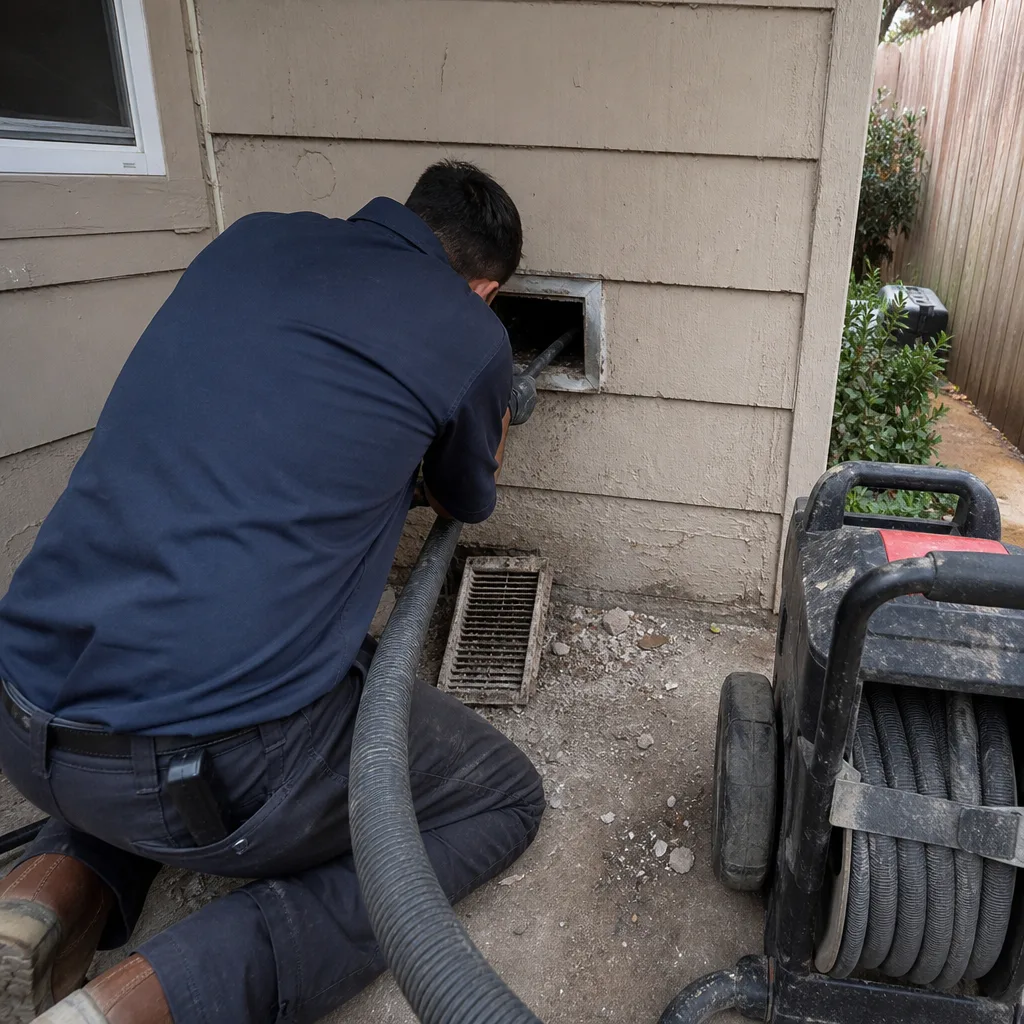 Before
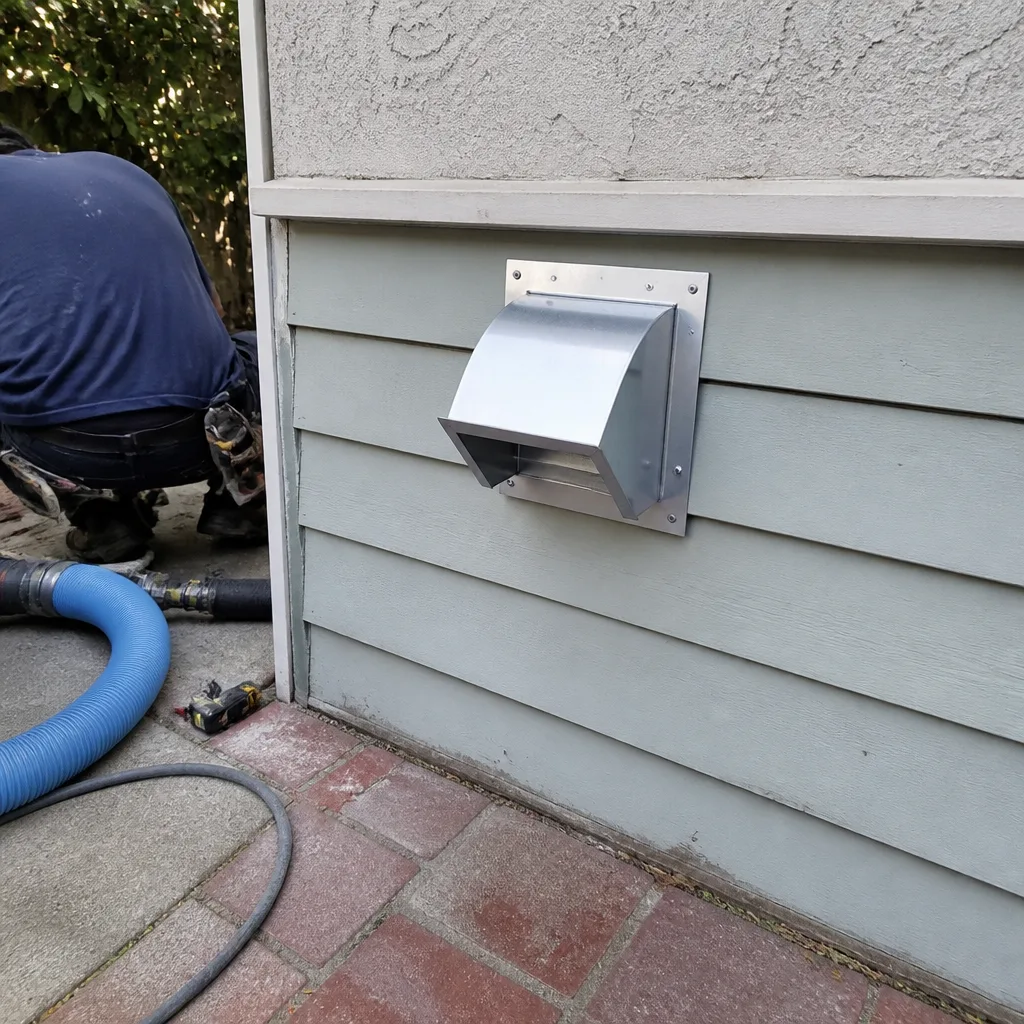 After
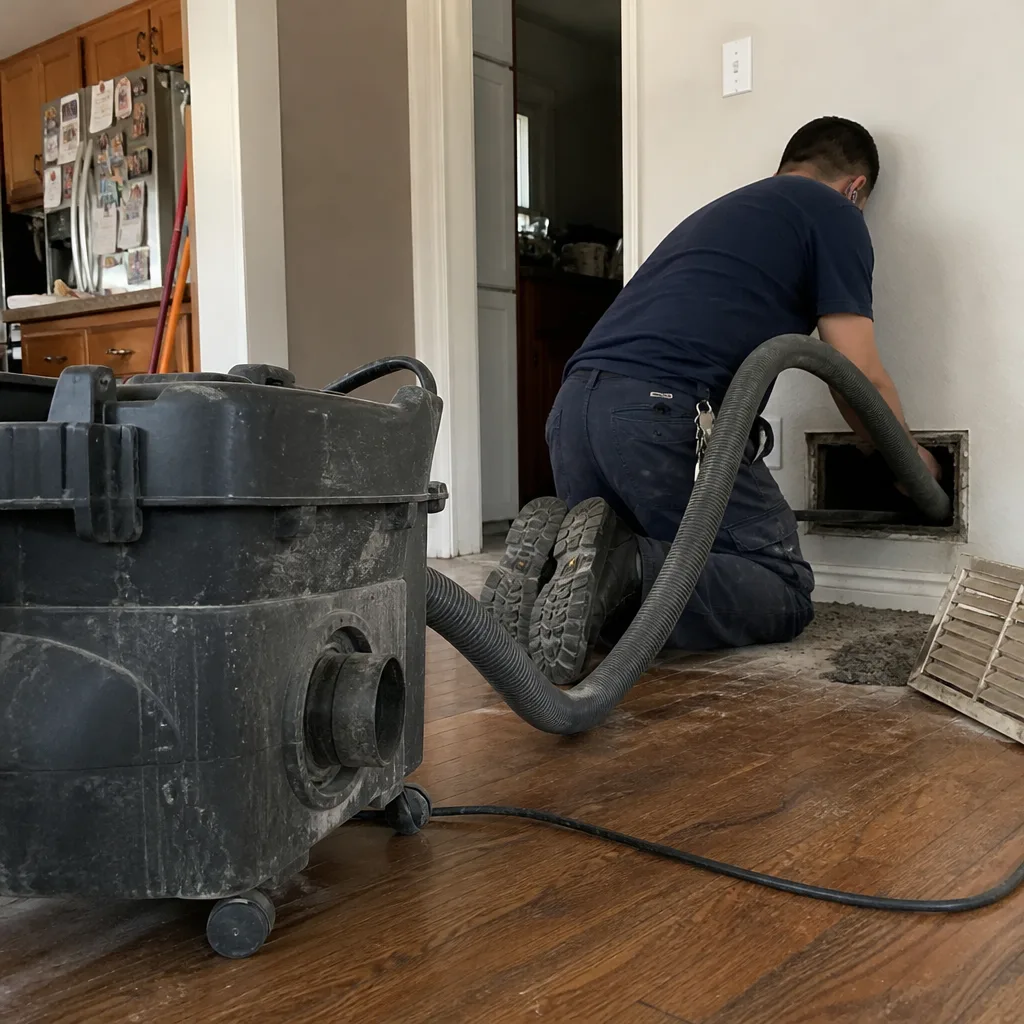 Before
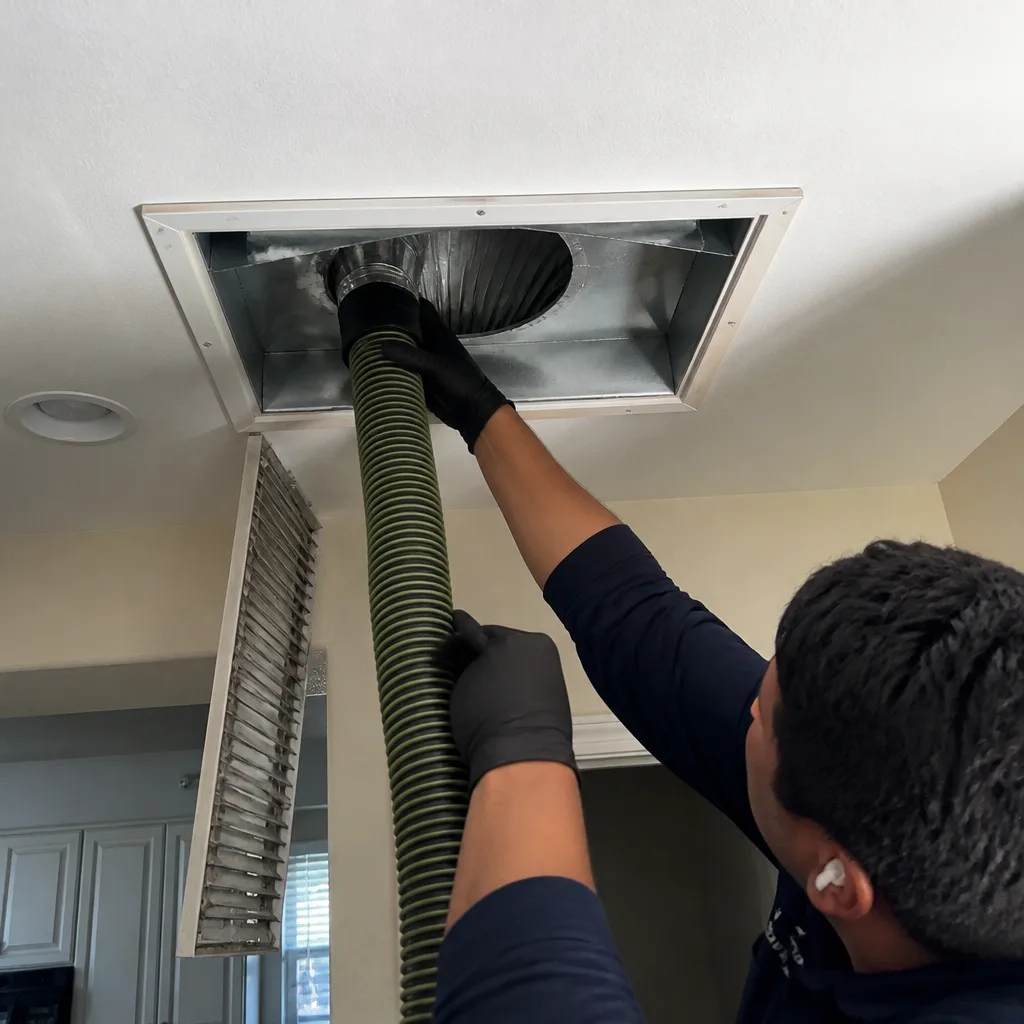 After
 Before
 After
When to Call a Professional
Some maintenance tasks are genuinely DIY: changing filters, checking register airflow, and visual inspections from accessible spaces. But certain findings should trigger a professional call rather than continued self-management. If you’ve found a disconnection, mechanical damage, or significant insulation degradation, that’s a repair scenario requiring proper tools and materials. If you smell persistent must or notice black spots on duct surfaces, that’s a contamination scenario requiring containment equipment and sanitizing protocols. If you’ve never had your ducts inspected and the home is more than ten years old, a professional assessment establishes the baseline you need for future maintenance decisions. If your dryer vent hasn’t been cleaned in over two years, schedule it now before the problem becomes visible through cycle times.
Air Duct Cleaning in La Mesa by Duct Cleaning La Mesa uses professional-grade equipment including Nikro HEPA filtration and Abatement Technologies containment systems, the same standard used in professional remediation. We offer free estimates in La Mesa. Call (833) 589-9836 to schedule an inspection or discuss what your checklist has surfaced.
Frequently Asked Questions
Air duct cleaning in La Mesa typically ranges from $350 to $800 for a standard single-family home depending on system size, number of returns, and accessibility. Prices vary based on whether the system requires only cleaning or also needs repair work identified during inspection. Duct Cleaning La Mesa provides one flat price per system agreed before work starts, no per-vent pricing. Call (833) 589-9836 for an exact quote, estimates are free.
Cheaper quotes usually come from companies using portable vacuum equipment not designed for whole-system cleaning, skipping the containment step, or working on a per-vent pricing model that inflates after work begins. Professional-grade rotary brush systems from Rotobrush and HEPA filtration from Nikro represent a different equipment category entirely. The price difference reflects the difference between surface-level vent vacuuming and whole-system extraction with containment.
Most La Mesa homes need professional duct cleaning every 3 to 5 years. Homes with shedding pets, residents with allergies, or recent renovation work may need service every 2 to 3 years. The determining factor is what your visual inspections and documentation reveal. A home with properly maintained filters and no pest history might go five years comfortably; add two dogs and a drywall project, and the interval shortens considerably.
Request before-and-after photos of the duct interior. Professional equipment from manufacturers like Nikro includes camera capability that lets the technician document the duct condition before and after extraction. If a company cannot or will not show you this documentation, that’s a red flag. Your own pre-service photos, taken from accessible registers, provide your own verification point for comparison after the work is complete.
Duct cleaning removes accumulated dust, pollen, pet dander, and other particulate matter that recirculates through your living spaces when the system runs. For allergy sufferers in La Mesa, where outdoor pollen counts stay high through most of the year, clean ducts reduce the indoor particulate load your HVAC system distributes. Results are most noticeable when cleaning addresses years of accumulated debris rather than recent surface dust, and when paired with an appropriate MERV-rated filter for your household.
Sometimes, but not always. If airflow is restricted by debris buildup inside the branch duct serving that room, cleaning will restore normal flow. If the problem is a disconnection, compression, or damaged duct run, cleaning will not resolve it, and that room will continue underperforming. This is exactly why the inspection step before cleaning matters so much. Identifying whether you’re dealing with contamination or structural damage determines the correct service.
The Bottom Line
A duct maintenance checklist that works for La Mesa homeowners has to respect the local climate, not a generic national template. The temperature swings that stress flex duct connections, the fine mineral dust that coats duct interiors, and the marine-layer moisture that complicates dryer vent maintenance are all specific to our region. Follow the month-by-month calendar in this guide, document what you find, and when your inspections surface structural damage or contamination, address it professionally rather than deferring. Clean ducts and repaired ducts are both essential to a properly functioning system. If you’ve found something on this checklist that needs professional attention, Duct Cleaning La Mesa offers free estimates in La Mesa. Call (833) 589-9836.
Written by the team at Duct Cleaning La Mesa, serving La Mesa since 2012. Explore our more guides & resources.