
Last updated November 2, 2026
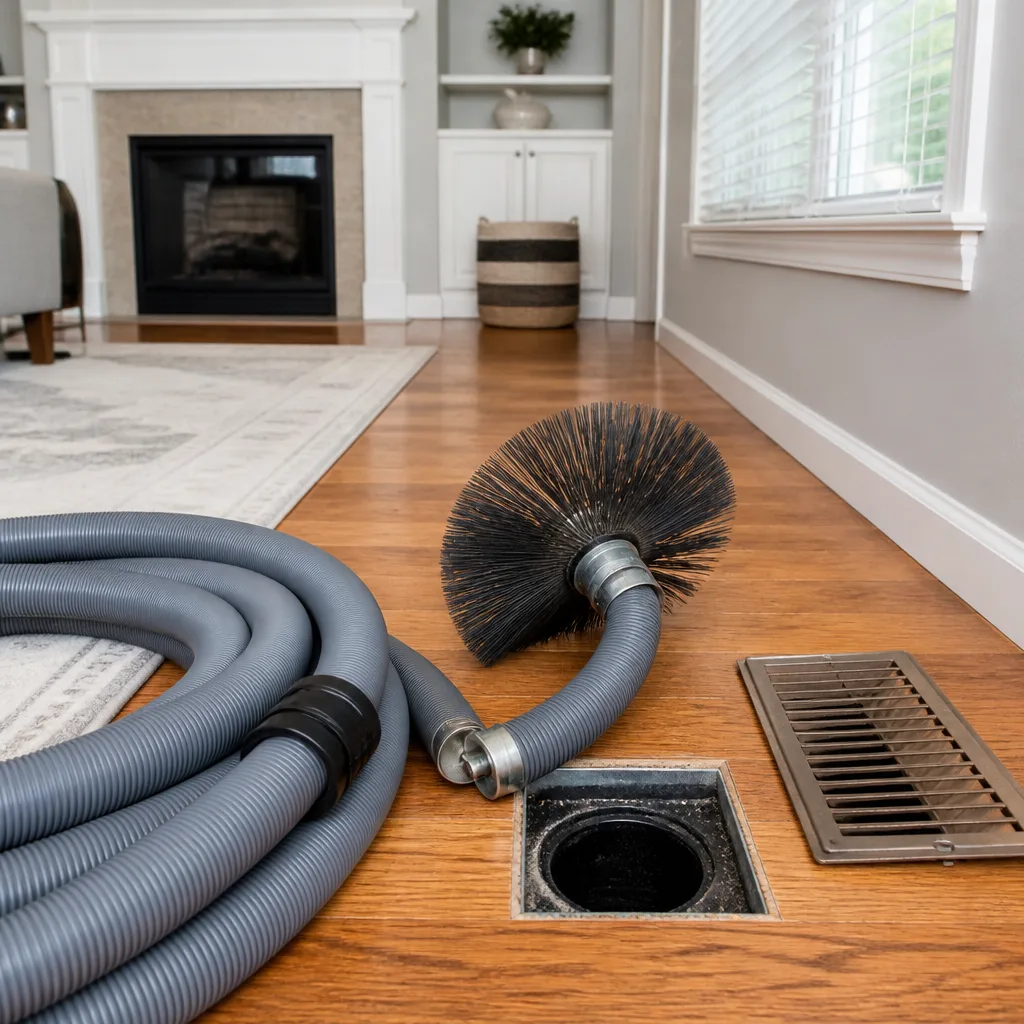 Whole-home duct cleaning
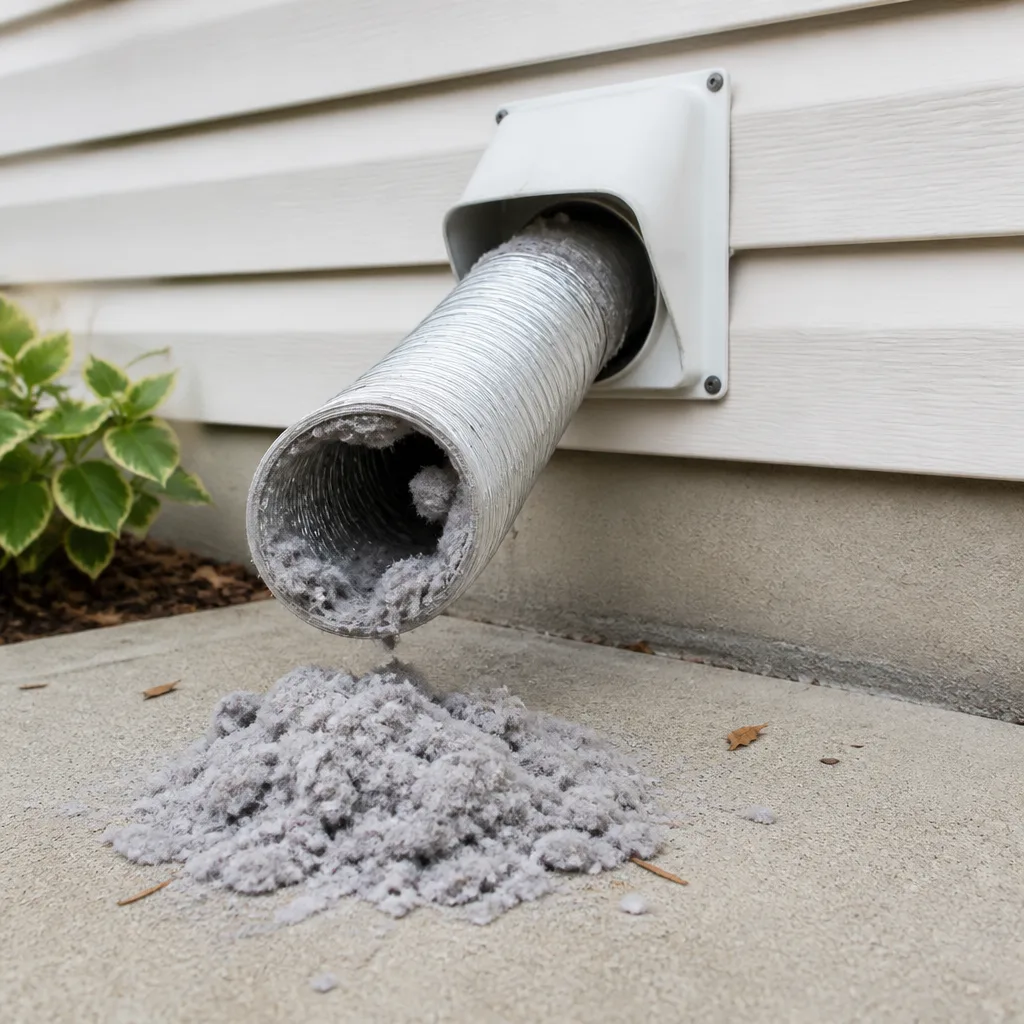 Dryer vent cleaning
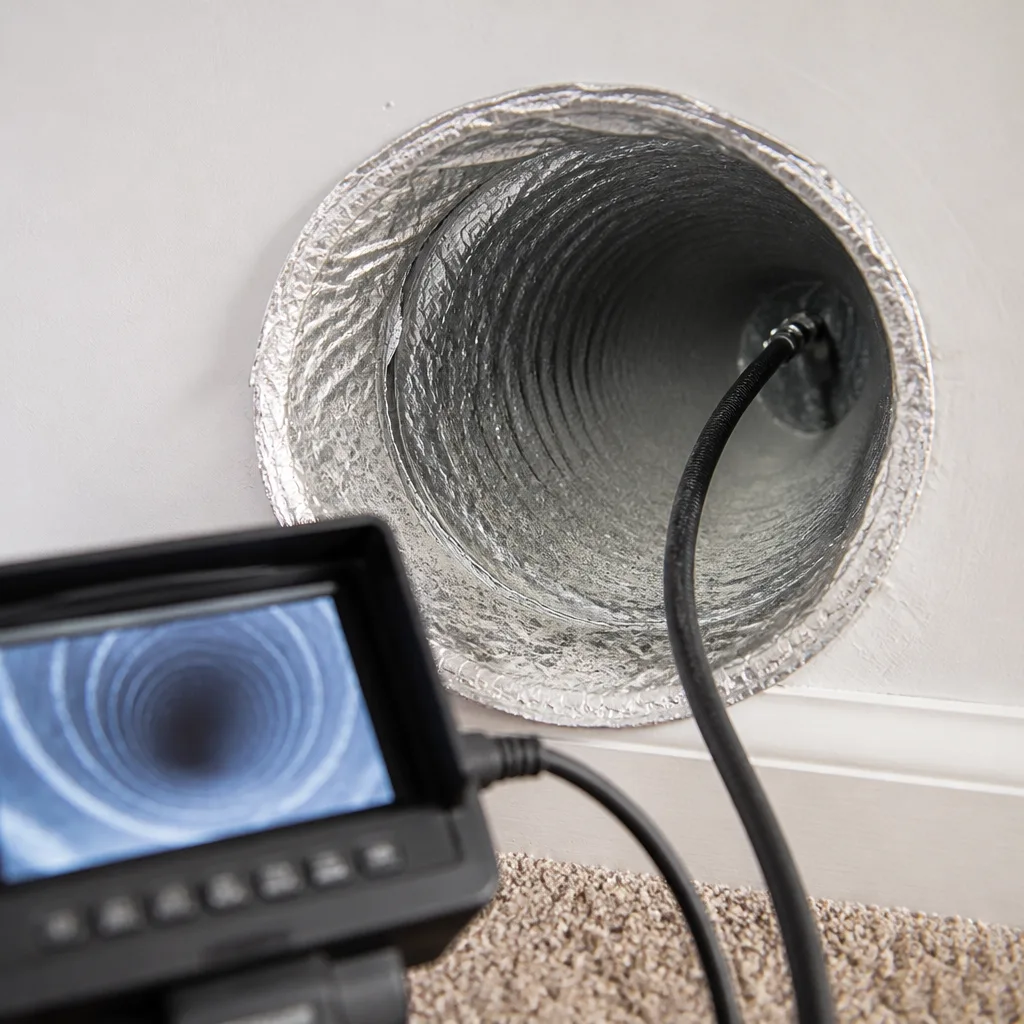 Camera inspection
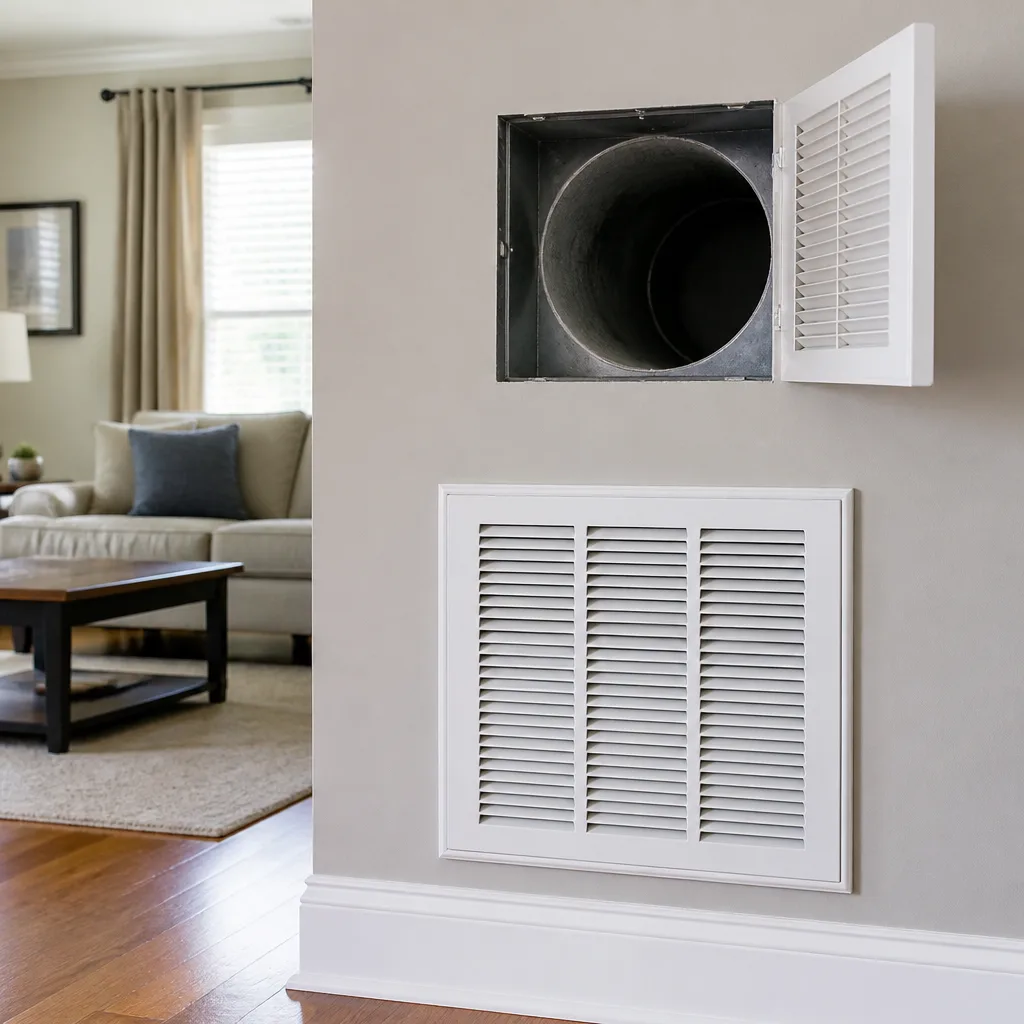 Sanitizing & deodorizing
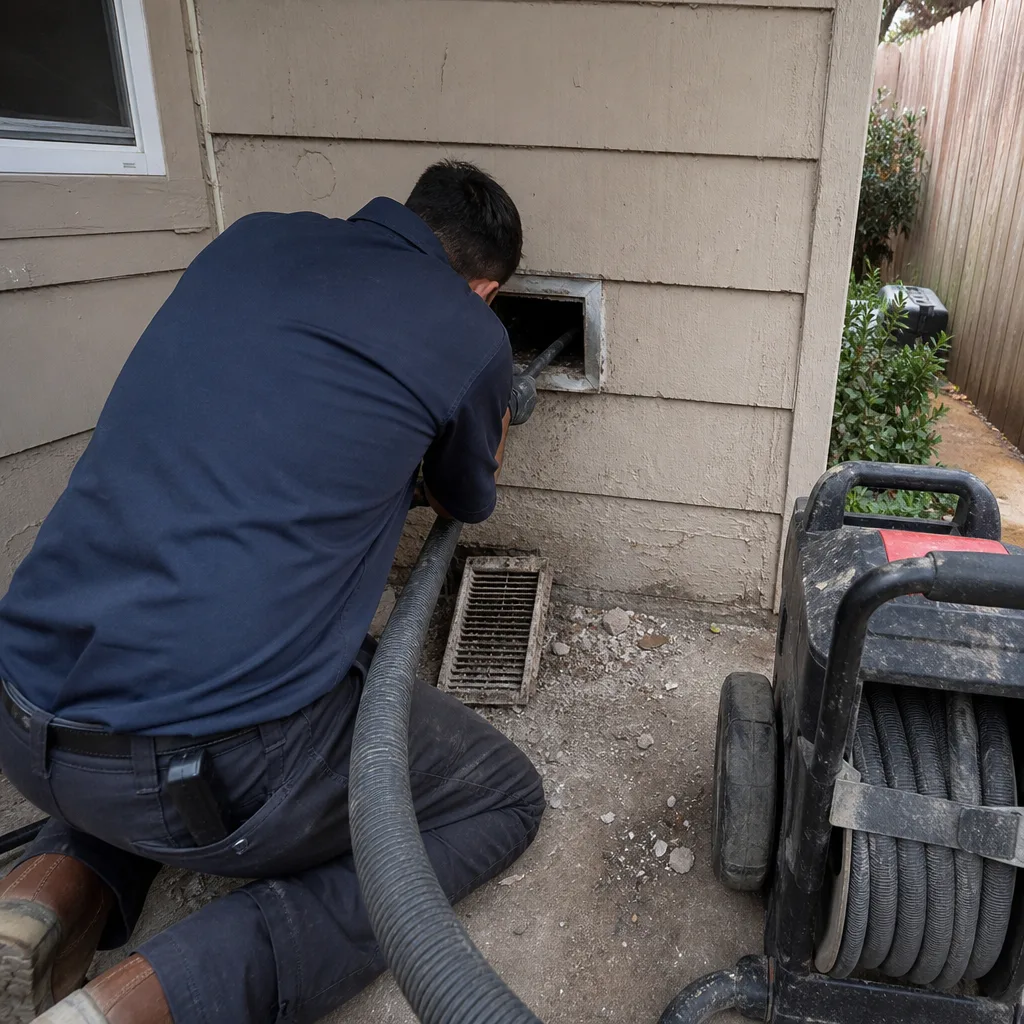
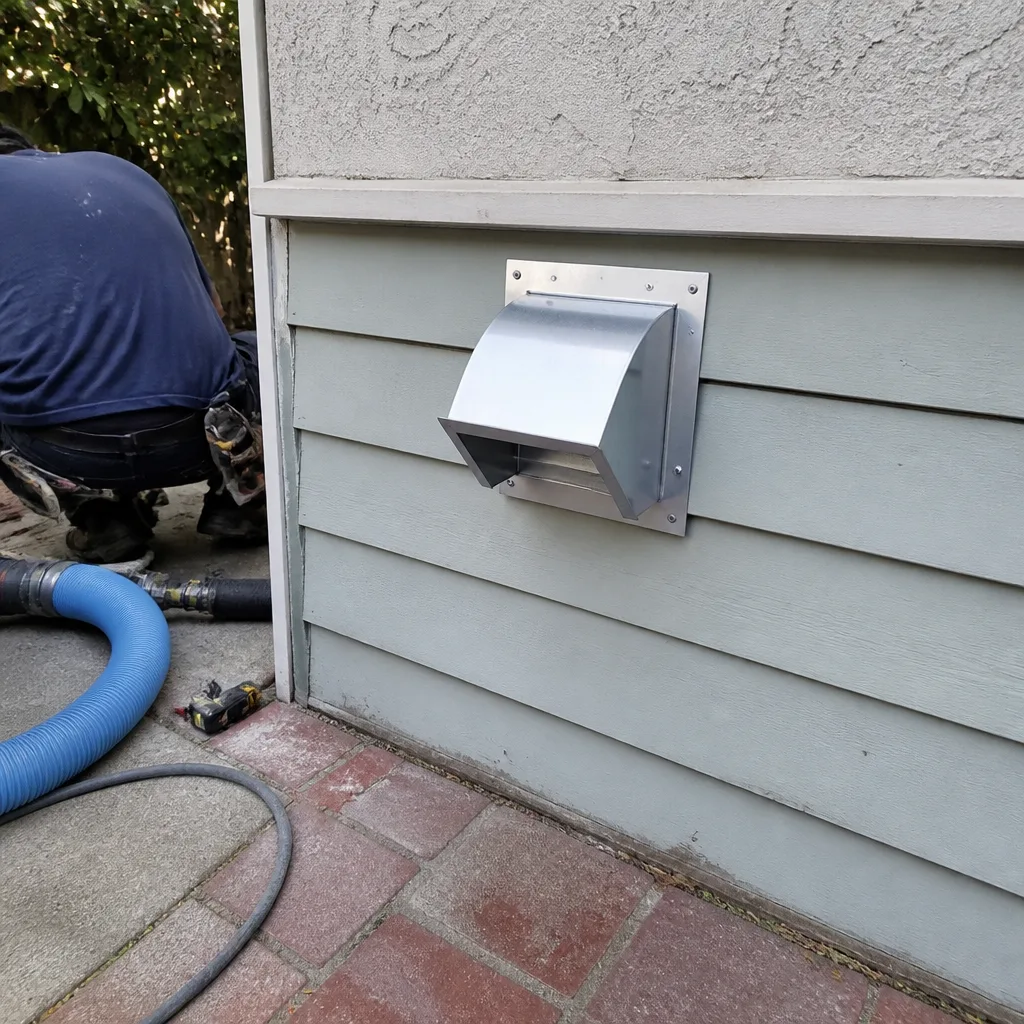
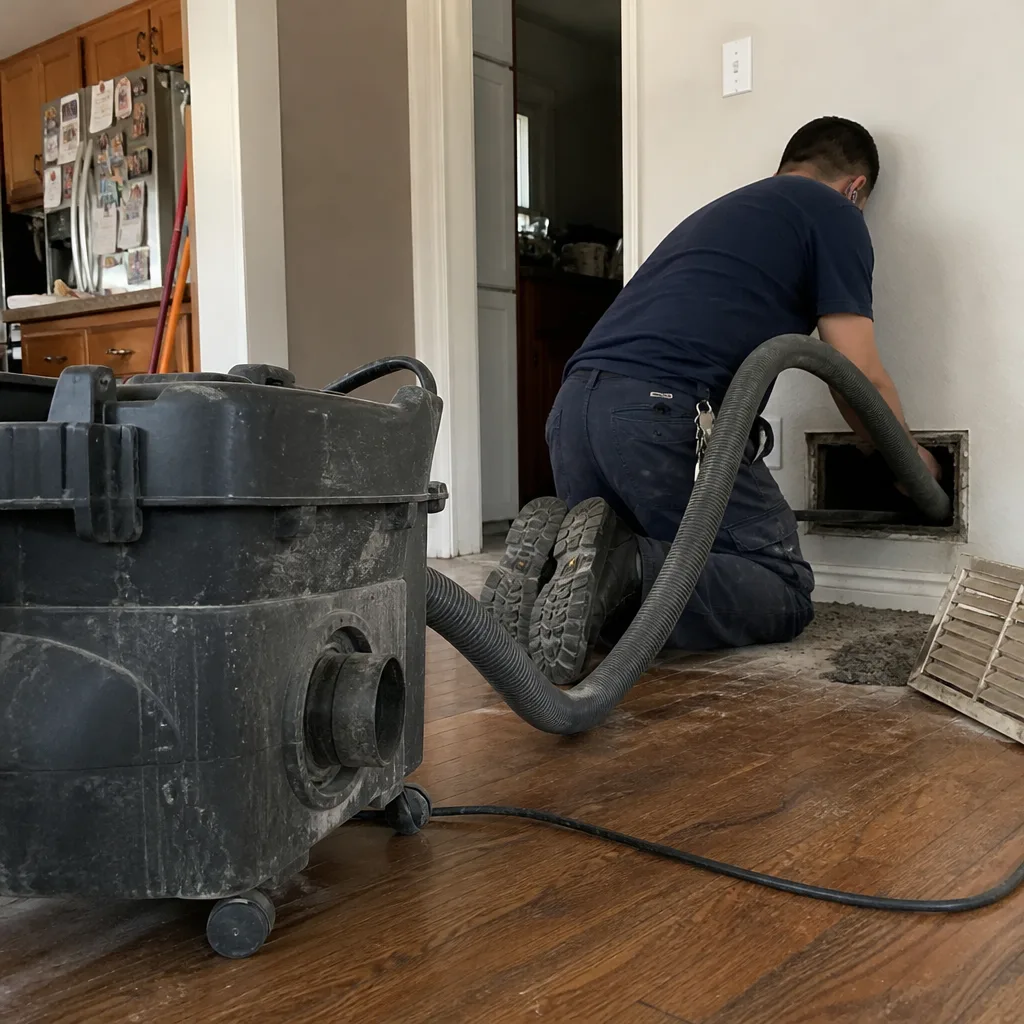
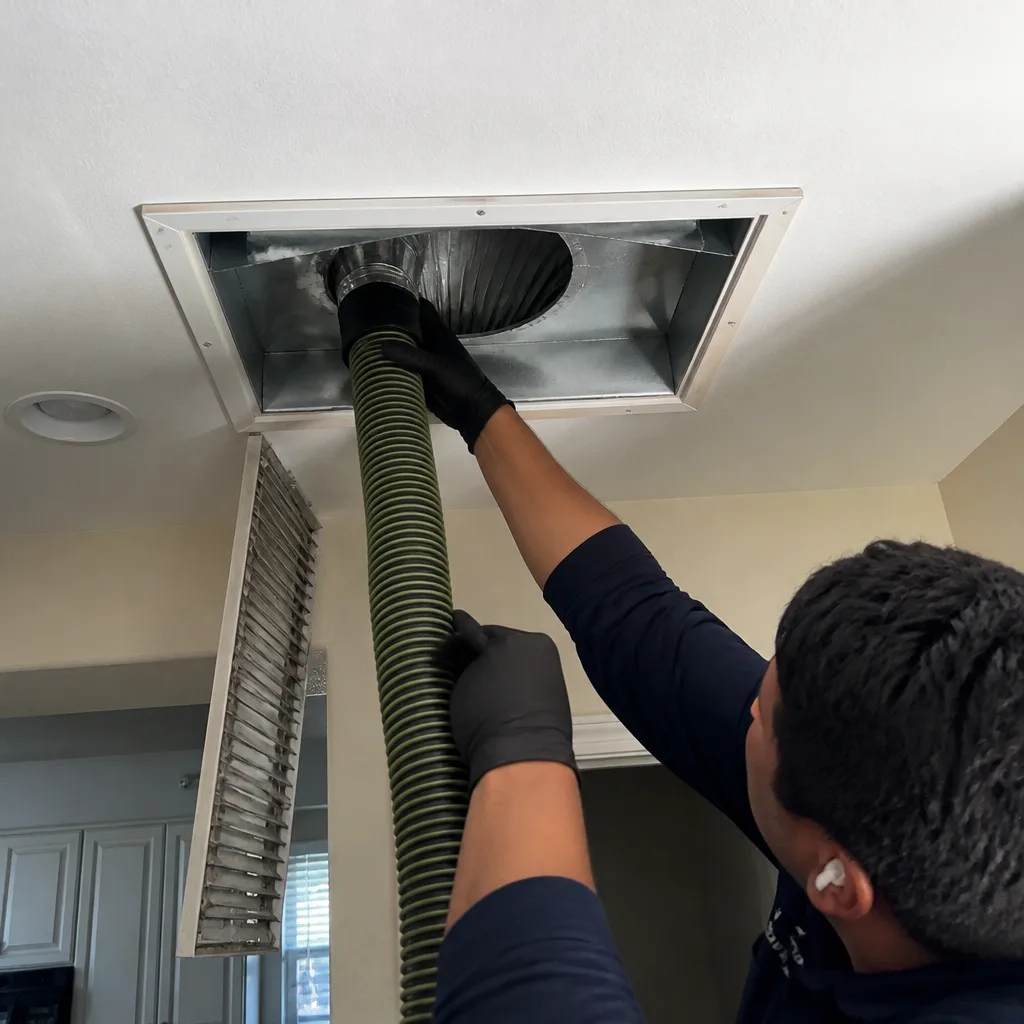
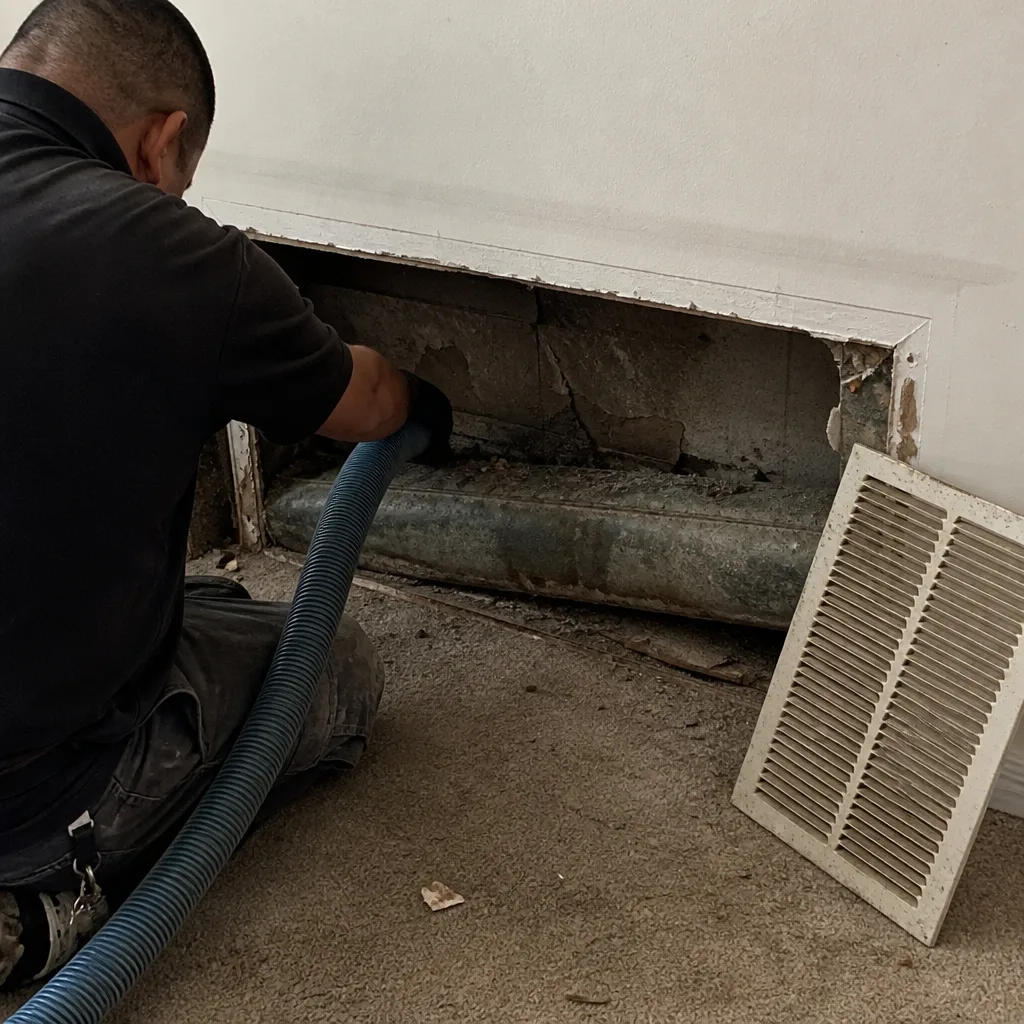
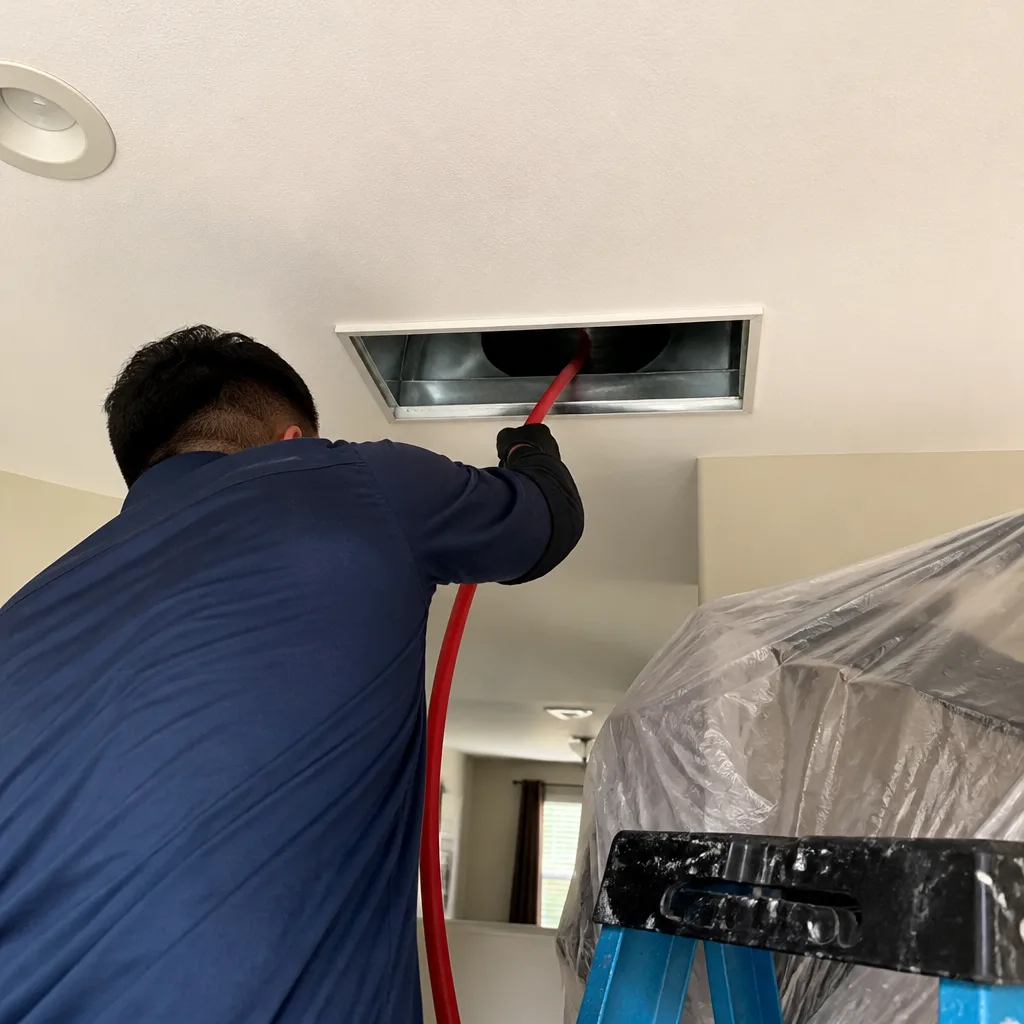
Whole-system duct and dryer vent check with before-and-after photos - you see exactly what came out of your vents
That "$99 whole-house special" is a bait ad - the real number appears once they are in your hallway, or the "clean" is a shop-vac at the register. We photograph the inside of your ducts before and after instead.
Air Duct Cleaning Permits, Codes & Inspections in CA: What You Need to Know
Here’s a scenario we see in La Mesa far more often than you’d expect: a homeowner pays a crew to clean the ducts, the tech discovers a disconnected return in the crawlspace, and offers to “patch that up” for another $200. No permit, no inspection, no record. Three years later the house is in escrow, the buyer’s inspector flags the repair, and the seller is writing a credit at close. The surprising truth about air duct work in California isn’t that it’s heavily regulated. It’s that the least-regulated part is the cleaning, and the part everyone improvises is the repair. This guide walks you through exactly when a permit is required, what the C-20 license actually covers, and how La Mesa homeowners can protect themselves before and after the fact.
Styles & brands we work with
- Whole-home duct cleaning
- Dryer vent cleaning
- Camera inspection
- Sanitizing & deodorizing
Quick Answer
Air duct cleaning itself does not require a permit in California. However, duct replacement and many duct repairs do require a building permit from your local building department, and any company performing duct work beyond basic cleaning must hold a C-20 Warm-Air Heating, Ventilating and Air-Conditioning Contractor license from the Contractors State License Board (CSLB). If a cleaning-only crew starts cutting and patching your ducts without one, you now have unpermitted work on your hands.
Table of Contents
- When a Permit Is Required for Duct Work in California
- The C-20 License: What It Covers and How to Verify It
- How San Diego County Interprets Duct Repair vs. Replacement
- What Code-Compliant Duct Sealing Means Under Title 24
- How Unpermitted Duct Work Shows Up During Escrow
- Cleaning vs. Repair: Where the Legal Line Falls
- Common Mistakes to Avoid
- When to Call a Professional
- Frequently Asked Questions
- The Bottom Line
When a Permit Is Required for Duct Work in California
Here’s the direct answer: a building permit is required in California when duct work constitutes an installation, alteration, or replacement of the system, not when it’s a like-for-like repair of an existing component in its original location. The California Mechanical Code (CMC), which is based on the Uniform Mechanical Code, draws a practical line between maintaining a system and modifying it.
In plain terms, here’s how that line falls for the typical La Mesa home:
- Cleaning ducts: No permit. This includes rotary-brush extraction, HEPA vacuuming, and even applying antimicrobial foggers. You’re not altering the system, just removing build-up from the inside.
- Sealing small leaks at accessible joints: Typically no permit, provided you’re not replacing sections. Mastic and UL-listed tape at a loose joint is maintenance.
- Replacing a short section of damaged flex duct: This is where it gets murky. Many building departments, including San Diego County, treat replacing a single short run (under about 6 feet) as a repair, not a replacement. Others see any new duct as an alteration. It depends on the jurisdiction and the inspector.
- Replacing an entire trunk line or all branch runs: Permit required, full stop. You are now altering the system’s design, which means the work needs to meet current code for sizing, sealing, and insulation, and the building department needs to inspect it.
- Adding new supply or return runs to serve a remodel: Permit required. Changes to the system’s layout trigger review, especially if the remodel itself is permitted.
- Modifying or moving the plenum at the furnace: Permit required. Any alteration at the air handler changes system balance and is squarely in “alteration” territory.
In our experience cleaning ducts across La Mesa, we regularly find disconnected or crushed flex runs in older homes, particularly in the Fletcher Hills and Mount Helix neighborhoods where HVAC systems are often original to 1970s and 1980s construction. A disconnected run is a repair question, not a cleaning question, and that’s where the permit conversation begins.
The C-20 License: What It Covers and How to Verify It
California requires any contractor who “installs, modifies, maintains, or repairs” warm-air heating systems to hold a C-20 license from the Contractors State License Board. That includes duct work. A company that only cleans ducts may operate under a different classification, but the moment they cut into your ductwork, replace a section, or modify the plenum, they must hold the C-20 or they are working illegally.
This is not a technicality. Unlicensed work carries real consequences:
- No contractor’s bond protects you if the work fails or causes damage.
- Your homeowner’s insurance can deny a claim related to work performed by an unlicensed contractor.
- You have limited legal recourse if the work is defective.
- If the work required a permit and none was pulled, you own the correction cost when it’s discovered.
Verifying a license takes two minutes. Go to the CSLB website (cslb.ca.gov), enter the company name or license number, and check three things:
- The classification is C-20 (Warm-Air Heating, Ventilating and Air-Conditioning). A C-21 (Building Moving/Demolition) or a general B license doesn’t substitute for duct work.
- The license is active and current. The database shows status immediately.
- The name on the license matches the name on the work order. License lending is common; don’t accept it.
For Air Duct Repair in La Mesa work specifically, the C-20 distinction matters because duct repair often involves relocating, replacing, or resealing sections that are failing. A cleaning company that offers to “fix that leak” is crossing into licensed-contractor territory in California, whether they admit it or not.
How San Diego County Interprets Duct Repair vs. Replacement
San Diego County’s Building Division is the Authority Having Jurisdiction (AHJ) for unincorporated areas, while incorporated cities like La Mesa run their own building departments. The La Mesa Building Department reviews permit applications for mechanical work and follows the California Mechanical Code with local amendments. In practice, here’s how the repair-versus-replacement line has been applied in La Mesa:
- Repair: Reconnecting a fallen flex duct, sealing a leaky joint with mastic, replacing a damaged register boot, or replacing a short run of flex where the original connection points remain unchanged. These are maintenance actions that restore the system to its original function without changing its design.
- Replacement: Removing and replacing an entire trunk line, redesigning supply runs to a remodeled room, adding returns to resolve pressure imbalance, or upsizing ducts when a larger HVAC system is installed. These changes alter system design and performance, so the AHJ wants to see engineered or prescriptive compliance and inspect the result.
What complicates this for La Mesa homeowners is that many homes were built before mandatory energy-efficiency duct standards, which means they have uninsulated sheet-metal ducts in unconditioned attics. When those ducts finally fail, the repair-versus-replacement question is academic: you’re not patching 40-year-old crumbling metal. You’re replacing it. And that means a permit.
One more local factor: La Mesa’s building department is relatively responsive on mechanical permits compared to larger jurisdictions, with typical review times for a simple duct replacement running days, not weeks. A competent C-20 contractor handles the permit application, the fee (which typically runs $150-$400 depending on scope), and the inspection scheduling. You shouldn’t have to touch the paperwork yourself.
What Code-Compliant Duct Sealing Means Under Title 24
Title 24 of the California Code of Regulations sets energy-efficiency standards for buildings, including duct systems. The relevant section for duct work is the Building Energy Efficiency Standards, which require that ducts in new installations and permitted replacements be sealed and tested to specific leakage limits.
Here’s what code-compliant duct sealing actually means in practical, non-regulatory language:
- Mastic or UL 181-listed tape. Duct tape, the gray cloth stuff, is not code-compliant and fails within a few years in an attic’s heat cycle. Proper sealing uses fiberglass-reinforced mastic or UL 181A-P or UL 181B-FX foil tape.
- Leakage testing. When the duct system is replaced or substantially altered, California’s energy code requires either a duct leakage test (measured in cubic feet per minute per 100 square feet of duct surface) or prescriptive sealing measures verified by inspection.
- Minimum R-value insulation. In climate zone 10, which includes La Mesa, ducts in unconditioned spaces (attics, crawl spaces) must be insulated to R-8 minimum for new or replacement runs.
- Sealed at every joint, including register boots and plenum connections. The code doesn’t care if it “looks okay” from ten feet away. Every joint and seam must be sealed because even small leaks compound into significant energy loss and contaminant infiltration.
When a new HVAC system is installed, the duct system must also meet these standards or the installation cannot pass final inspection. This is relevant for La Mesa homeowners replacing an aging furnace: the City of La Mesa will not sign off on a new system attached to leaky, uninsulated duct work. The fix is either a permitted duct replacement or sealing and testing of the existing system.
In our work with Honeywell and Aprilaire air-quality systems, we often encounter duct work that predates these standards. The homeowner installs a high-efficiency filter or a whole-home dehumidifier, then wonders why dust still accumulates. The answer, frequently, is that the system is pulling attic air through duct seams and pushing conditioned air into the insulation. That’s a sealing problem, and a permitted repair is the permanent fix.
How Unpermitted Duct Work Shows Up During Escrow
We’ve heard versions of this story from La Mesa real estate agents, home inspectors, and homeowners too many times to count. The buyer’s home inspector notes “non-standard duct repair observed in crawlspace” or “flex duct replacement appears recent, no permit on record with City of La Mesa.” The transaction doesn’t stop there, but it gets expensive.
Here’s the sequence that typically follows a flag like that:
- The inspector notes the condition. Home inspection reports call out duct work that appears modified but lacks a corresponding permit. Inspectors don’t enforce code, but they flag discrepancies between observed work and public records.
- The appraiser or lender may ask questions. Fannie Mae and Freddie Mac guidelines don’t specifically require permits for all mechanical work, but if the repair appears associated with other unpermitted work, underwriting can slow or stall.
- The buyer requests a retroactive permit or a credit. The buyer’s agent, protecting their client, asks the seller to either pull a permit retroactively (which requires opening walls or exposing duct work for inspection) or credit the buyer for the estimated correction cost. In La Mesa, that correction cost for unpermitted duct replacement commonly lands between $2,000 and $6,000 depending on scope.
- The seller pays or the deal dies. Sellers almost always pay, because walking away means re-listing with a known disclosure liability.
This scenario is entirely avoidable. If a duct repair is performed by a licensed C-20 contractor with a permit, the work passes inspection, the permit is closed, and the seller has a clean record. Unpermitted work is a slow leak that drains equity at exactly the wrong moment.
Cleaning vs. Repair: Where the Legal Line Falls
The legal line between cleaning and repair in California is the same line that separates maintenance from modification. Cleaning is removing contamination from the inside of existing duct work. Repair is restoring the duct work to functional condition when it has failed. Replacement is removing and installing new duct material. The permit and license requirements attach to the second and third categories, not the first.
But here’s the problem we see regularly in the field: a duct cleaning crew encounters a collapsed flex run, a disconnected return, or a crushed transition. The honest, legal response is to say, “This is beyond cleaning. You need a licensed contractor to repair it.” The common response, especially from companies that view a service call as a sales opportunity, is to offer a patch job on the spot.
That patch job may “work” in the sense that air stops leaking immediately. But it’s unpermitted work performed by an unlicensed party, and the homeowner who accepted a $150 savings now owns a liability that can cost thousands at resale. For Duct Cleaning La Mesa home owners, the practical takeaway is this: if a cleaning technician wants to cut, replace, or reconfigure any part of your duct system, stop and ask for their C-20 license number. If they don’t have one, thank them for the cleaning and call a licensed contractor for the repair.
We run our Dryer Vent Cleaning in La Mesa service on the same principle. Cleaning a dryer vent is maintenance. Replacing a crushed vent run or rerouting an improper termination is a repair. We’re equipped for the former, and we’ll tell you honestly when the latter is needed and what it requires.
Common Mistakes to Avoid
- Accepting “it’ll be fine” as permit advice. A contractor who waves off the permit requirement is either uninformed or avoiding oversight. Both are reasons to find a different contractor. In La Mesa, the Building Department is easy to reach by phone if you want a straight answer about your specific project.
- Confusing a cleaning company with a licensed HVAC contractor. Many excellent duct cleaning specialists hold no C-20 license because their work doesn’t require one. That’s fine, until they offer to fix a leak. Know where the line is and who’s allowed to cross it.
- Letting the cheapest bid set the standard. Unpermitted work is always cheaper by exactly the cost of the permit, inspection, and licensed labor. You’re not saving money; you’re deferring it with interest.
- Assuming a permit will be impossible or ruinous to get. For a straightforward duct replacement in La Mesa, a permit application, inspection, and closeout is normally a 1-3 week process. It’s an inconvenience, not an obstacle.
- Not asking prospective contractors for their license number during the bid process. This is a basic filter. If a contractor can’t produce a CSLB license number in the first conversation, they don’t have one.
- Skipping the leakage test on a permitted replacement. Title 24 compliance isn’t satisfied by “looks sealed to me.” The test is the proof, and it’s required.
- Believing that unpermitted work only matters if you’re selling. Insurance claims after a fire, flood, or earthquake can be complicated by unpermitted modifications, even if they weren’t the cause of the damage. The carrier will use it as leverage.
When to Call a Professional
Call a licensed professional when any of these apply: you see crushed, disconnected, or sagging duct work in your attic or crawlspace; your home has a room that never reaches temperature; you’re planning to sell and want a clean inspection report; or you’ve just had a new HVAC system installed and the ducts haven’t been tested or sealed to Title 24 standards. Duct Cleaning La Mesa offers free estimates in La Mesa; call (833) 589-9836 to discuss what you’re seeing and whether it’s a cleaning issue or a repair issue. We’ll tell you honestly which one you’re dealing with.
Frequently Asked Questions
No. Air duct cleaning is considered maintenance and requires no permit in California. A permit becomes necessary only when the work involves altering, replacing, or adding to the duct system itself.
Permit fees for a straightforward residential duct replacement in La Mesa typically run between $150 and $400, depending on the project’s valuation and the number of inspections required. Your C-20 contractor normally includes the permit fee in the project estimate. Call (833) 589-9836 and we can walk you through the specific scope for your home.
Only if that company also holds a valid C-20 license from the California Contractors State License Board. A cleaning-only company that offers to patch, replace, or modify duct work is operating outside California law. Verify any contractor’s license at cslb.ca.gov before accepting repair work.
The buyer typically requests either a retroactive permit (which involves exposing the work for inspection) or a seller credit to cover the correction cost. In La Mesa, credits for unpermitted duct replacement commonly range from $2,000 to $6,000. The correction cost almost always exceeds the original savings from skipping the permit.
Yes. Under Title 24, permitted duct work must be sealed with mastic or UL 181-listed tape and, for replacement or substantial alteration, tested to specific leakage limits. Gray duct tape is not code-compliant and will fail inspection.
Cleaning removes accumulated dust, debris, and contaminants from the interior of existing ducts using extraction equipment like rotary brush and HEPA vacuum systems. Repair restores structural integrity to damaged duct work: replacing crushed sections, reconnecting fallen runs, resealing leaking joints, or replacing failed insulation. Cleaning requires no permit; repair frequently does.
Visit cslb.ca.gov, search by company name or license number, and confirm three things: the classification is C-20 (Warm-Air Heating, Ventilating and Air-Conditioning), the license status is active, and the company name matches the name on your work order. The entire check takes under two minutes.
The Bottom Line
The legal framework around duct work in California is straightforward once you separate cleaning from repair. Cleaning: no permit, no C-20 license required, and a professional-grade cleaning with proper HEPA containment equipment is safe and beneficial. Repair and replacement: a permit is generally required, a C-20 license is always required, and skipping either creates a documented liability that follows the property. For La Mesa homeowners, the practical protocol is simple: hire professionals for cleaning, verify licenses for repair, and never let the person holding a shop vac convince you they’re qualified to cut your duct work. Written by the team at Duct Cleaning La Mesa, serving La Mesa since 2012.
See the difference
 Before
 After
 Before
 After
 Before
 After