
Last updated November 2, 2026
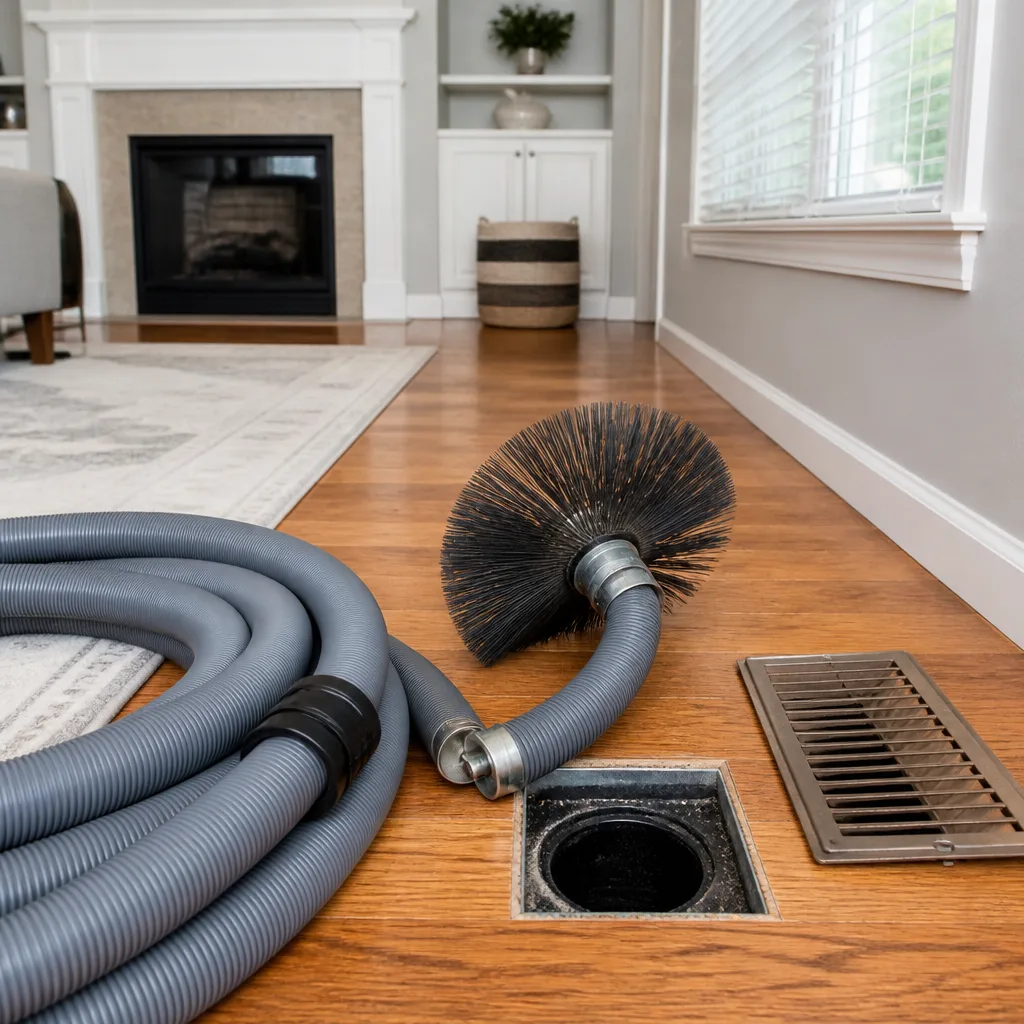 Whole-home duct cleaning
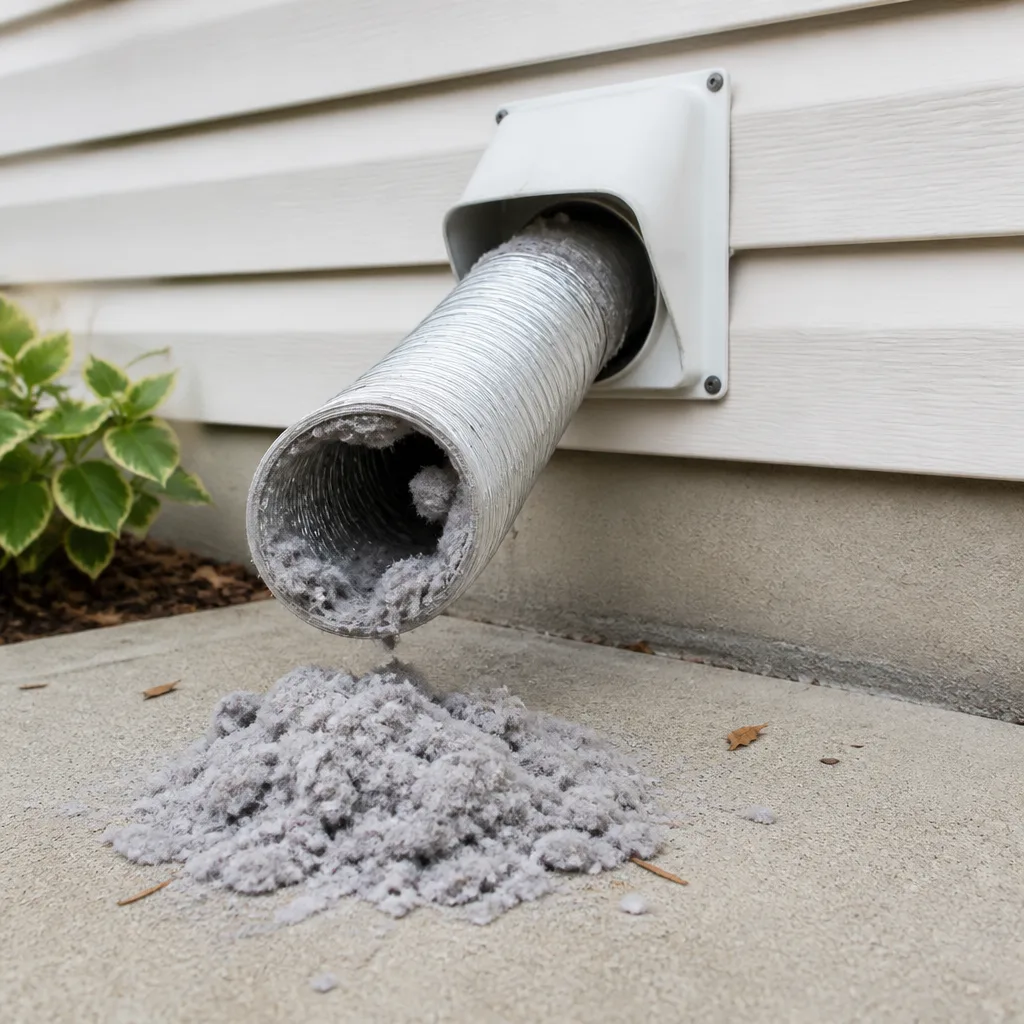 Dryer vent cleaning
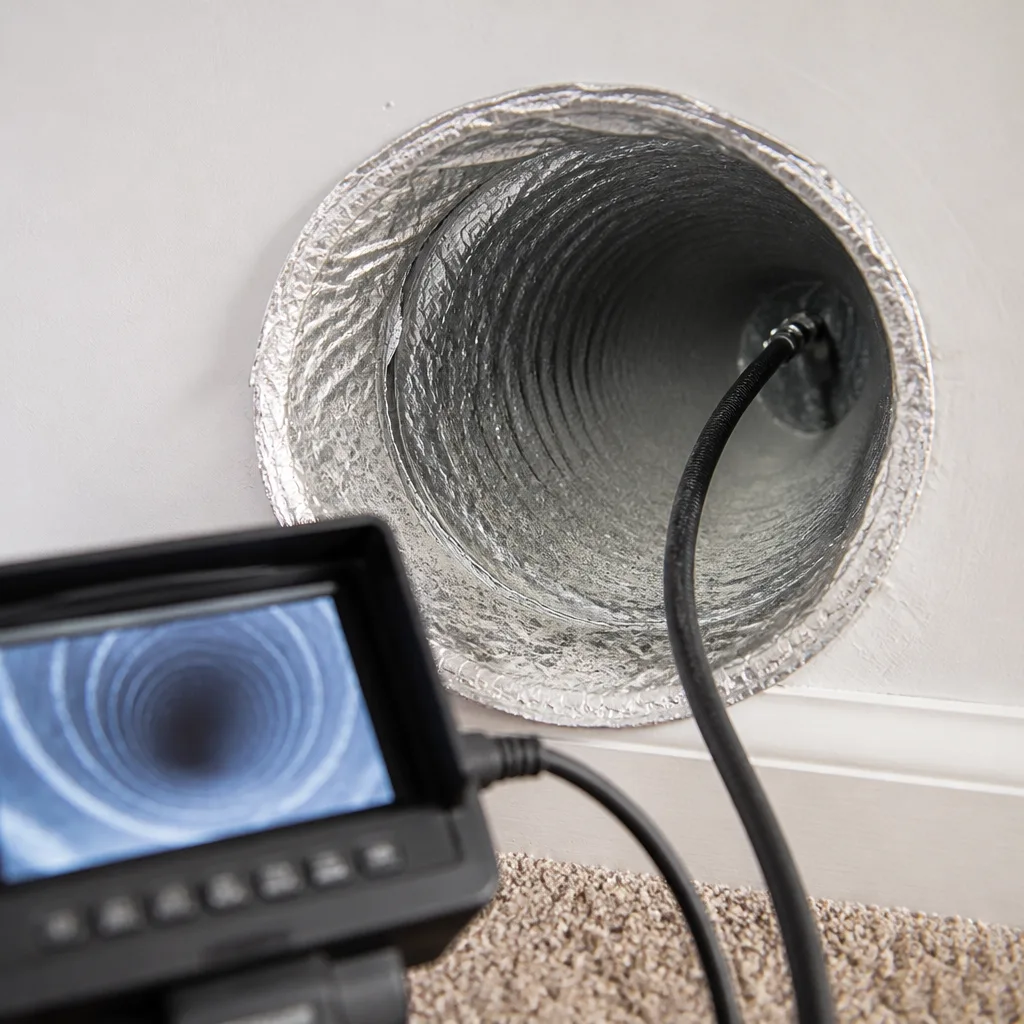 Camera inspection
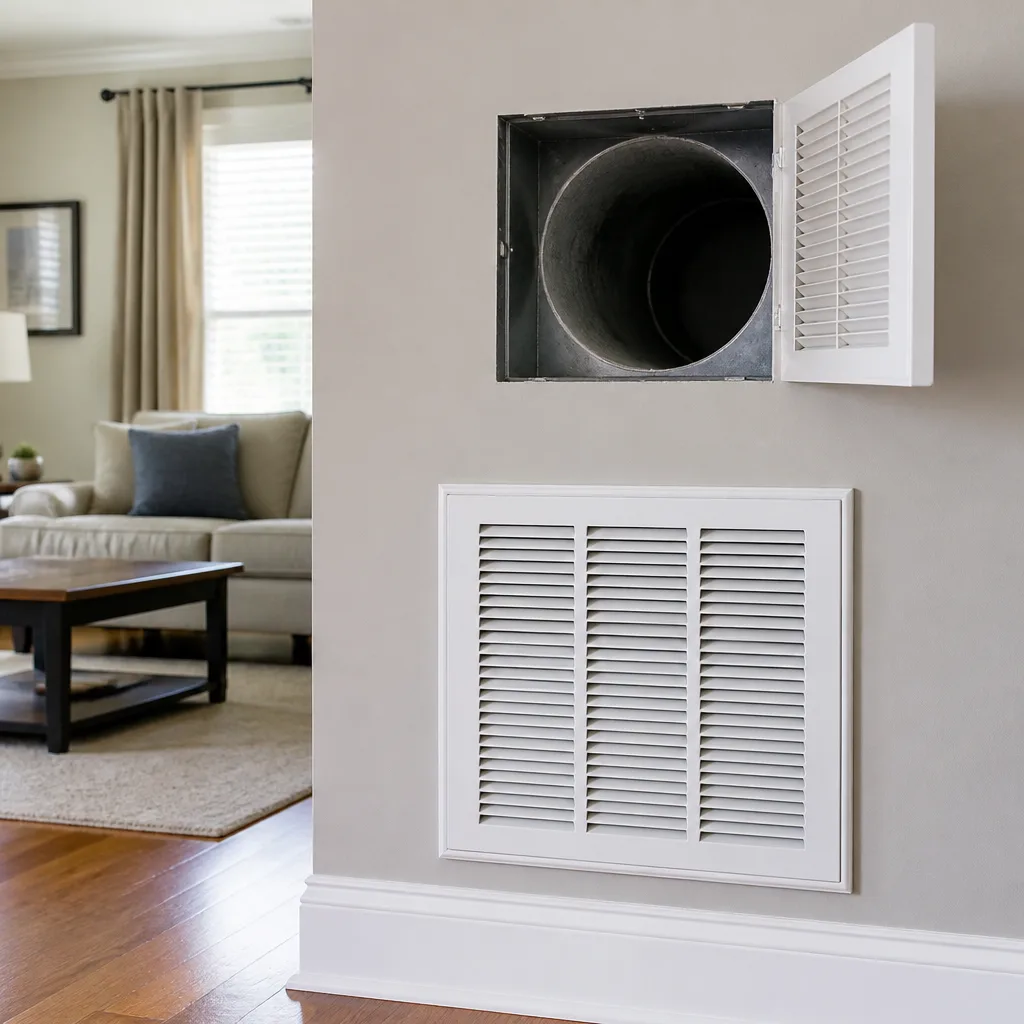 Sanitizing & deodorizing
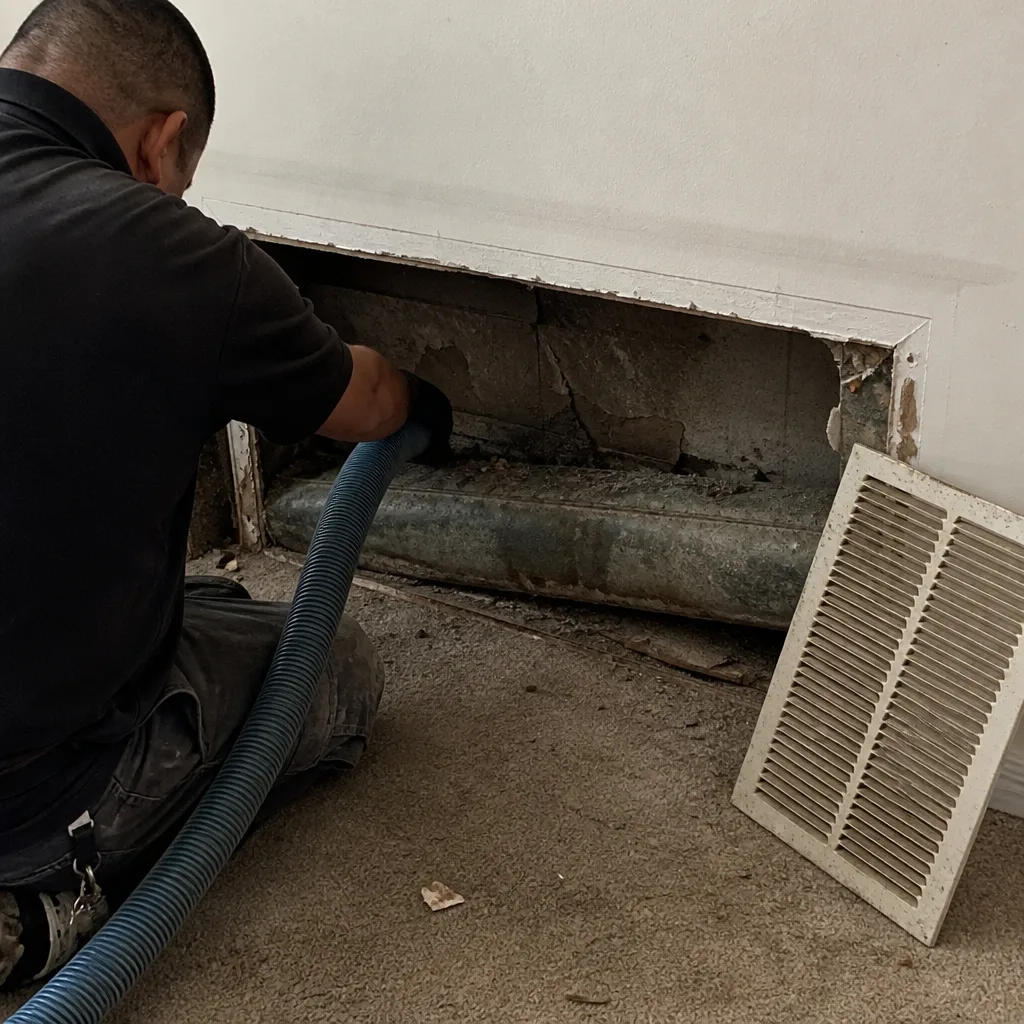
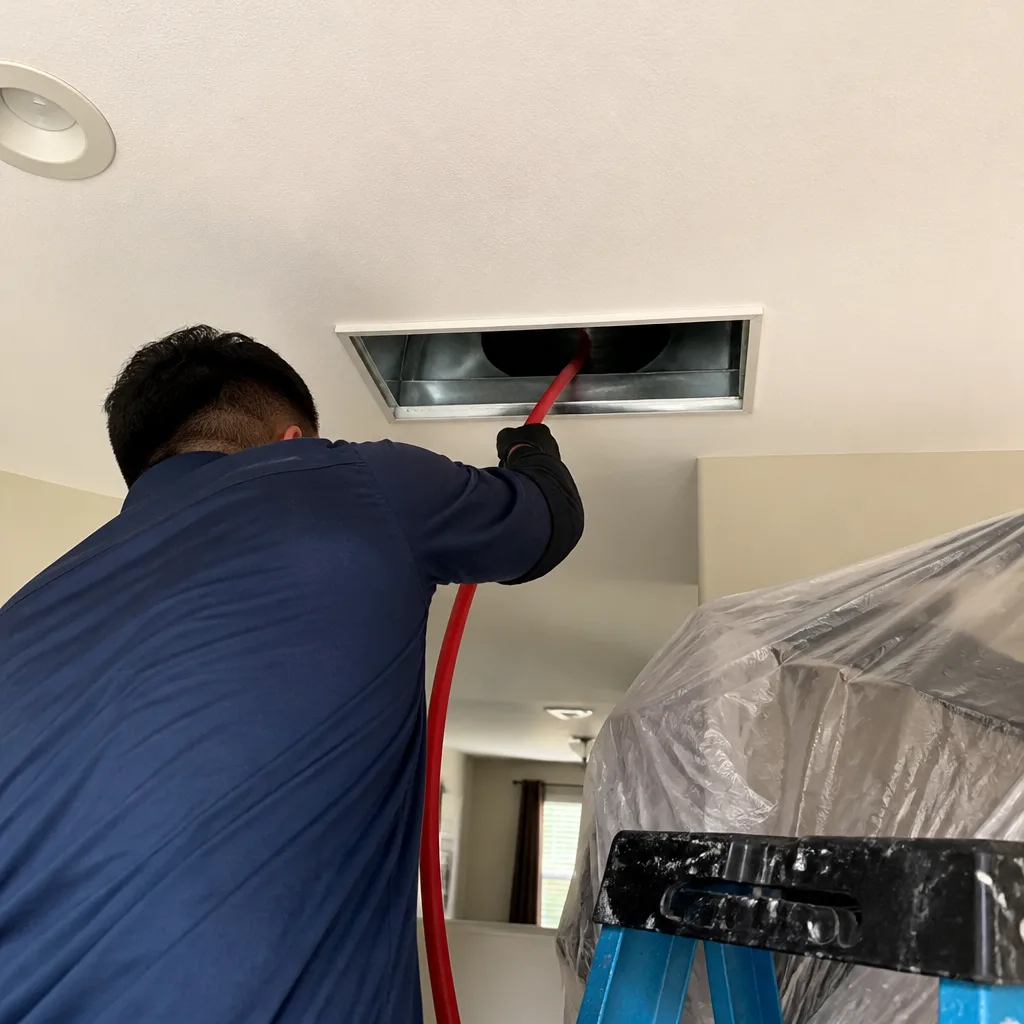
Whole-system duct and dryer vent check with before-and-after photos - you see exactly what came out of your vents
That "$99 whole-house special" is a bait ad - the real number appears once they are in your hallway, or the "clean" is a shop-vac at the register. We photograph the inside of your ducts before and after instead.
Air Duct Cleaning Troubleshooting: Common Problems and How to Fix Them
If your home still smells stale two weeks after a professional duct cleaning in La Mesa, the company didn’t do a bad job. They solved the wrong problem. Odors that survive cleaning almost always trace back to a breach in the duct system, not surface contamination. The same logic applies to rooms that won’t heat or cool evenly, dust that reappears within days, or airflow that feels weaker after the crew packed up and left. This guide maps the specific symptoms homeowners call us about to their actual root causes, so you stop paying for repeated cleanings that were never going to fix the real issue. You’ll learn how to tell a cleaning failure from a duct-integrity failure, what tests a technician should run before declaring the job done, and when duct cleaning was the wrong call in the first place.
Styles & brands we work with
- Whole-home duct cleaning
- Dryer vent cleaning
- Camera inspection
- Sanitizing & deodorizing
Quick Answer
Most persistent duct problems after a cleaning are not cleaning failures. They are diagnosis failures. A musty smell that returns means you have a duct breach or microbial growth in the liner, not leftover dust. Uneven airflow points to a collapsed flex duct or disconnected run. Fast-returning dust is usually a filtration gap or an unsealed return pulling attic or crawlspace air. The fix for these is repair, sealing, or filtration upgrades, not another cleaning pass.
Table of Contents
- Symptom-to-Cause Mapping: What Your Ducts Are Actually Telling You
- How to Distinguish a Cleaning Failure from a Duct Integrity Failure
- The Post-Cleaning Tests a Technician Should Run Before Leaving
- What Abatement Technologies Equipment Adds to Mold and Odor Remediation
- When Duct Cleaning Is Genuinely the Wrong Solution
- What Homeowners Can Safely Check Before Calling a Pro
- Why Equipment Choice Changes the Outcome
- Common Mistakes to Avoid
- When to Call a Professional
- Frequently Asked Questions
- The Bottom Line
Symptom-to-Cause Mapping: What Your Ducts Are Actually Telling You
Every symptom in an HVAC system is data. The problem is that most homeowners, and honestly many duct cleaning companies, read the data wrong. They see dust and schedule a cleaning. They smell must and schedule a cleaning. They feel weak airflow and schedule a cleaning. But cleaning only addresses what’s on the inside surface of the duct. It cannot close a hole, reconnect a fallen run, replace a mold-saturated liner, or fix a return that’s pulling unfiltered attic air. Here is what the most common symptoms in La Mesa homes actually mean.
Musty odor that never goes away. If the smell survives a thorough cleaning, you are not smelling surface dust. You are smelling a breach. A disconnected joint, a rusted-out section, or a tear in a flex duct is pulling air from a crawlspace, attic, or wall cavity into the system. That air carries whatever it passes through: damp soil, rodent activity, fiberglass, decades of settled debris. Cleaning the inside of the duct does nothing to stop this because the air is not coming from inside the duct. It is coming from outside it.
Musty odor in one specific room. When the smell is localized, think microbial growth in the liner of a specific duct run. Duct board and older flex duct liners can absorb moisture from condensation, a past leak, or high humidity in a crawlspace. Once mold or mildew establishes in the liner material itself, no amount of brushing will remove it. The liner has to be replaced, which is a repair job, not a cleaning job.
Dust returns within a week of cleaning. Your ducts were just vacuumed. The dust you’re seeing on furniture and registers is not coming from inside the ducts. It is entering through a gap. The most common culprits are an unsealed return plenum, a disconnected return run, or a filter slot that doesn’t seal properly. In La Mesa’s dry climate, this is especially common in older homes where original duct sealing has deteriorated or was never done correctly to begin with.
One room is always hotter or colder. This is the classic signature of a collapsed flex duct, a kinked run, or a disconnected branch. The air is being conditioned at the unit but never reaching the room. No amount of cleaning changes that. The duct itself has a structural problem.
Airflow feels weaker after the cleaning than before. This one surprises people. But if a cleaning crew accidentally disconnects a run, knocks a flex duct off a collar, or leaves an access panel unsealed, the system loses pressure. Your conditioned air dumps into the attic or crawlspace and you feel less at every register.
In our experience working across La Mesa, from the hillside homes off High Street to the bungalows near downtown, the majority of “re-cleaning” calls we receive are actually repair calls in disguise. The customer never needed a second cleaning. They needed the right diagnosis the first time.
How to Distinguish a Cleaning Failure from a Duct Integrity Failure
This is the question that separates wasted money from solved problems. Here is the honest framework we use.
A cleaning failure means the work was performed but left contamination behind. Signs include: visible dust still caked on duct walls that a camera pass should have caught, debris that was loosened but never extracted because the vacuum couldn’t keep up, or registers that were never removed and cleaned. In a true cleaning failure, the basic task was incomplete. The ducts are still dirty.
An integrity failure means the ducts themselves are compromised. The air you are breathing is not traveling through a sealed, intact system. It is picking up contamination from outside the ducts on its way to your rooms. Signs include: musty smells that persist after cleaning, dust that returns quickly, uneven temperatures between rooms, visible disconnect or crushed sections in exposed ductwork, or a return that’s pulling air from an attic or crawlspace. The ducts are clean, but they are broken.
Here is the practical test. If a technician can run a camera through the ducts and confirm they are clean, but the smell or dust persists, cleaning was never the answer. You have an integrity problem. And integrity problems require Air Duct Repair in La Mesa, not another pass with a brush.
This distinction matters financially. A second cleaning might cost a few hundred dollars and buy you two weeks of hope. A proper repair, whether it’s sealing a return plenum, replacing a mold-saturated liner section, or reconnecting a fallen run, actually removes the source of the problem. One costs less today and more forever. The other costs more once and is done.
We see this exact scenario unfold in La Mesa regularly. A homeowner schedules a cleaning, the crew does a competent job, the smell returns because the real issue is a disconnected return pulling crawlspace air, and the homeowner concludes duct cleaning doesn’t work. The cleaning worked. It just wasn’t the right treatment for the disease.
The Post-Cleaning Tests a Technician Should Run Before Leaving
A duct cleaning job is not finished when the last register is reattached. It is finished when the technician has confirmed the system is functioning. Here are the specific checks a serious contractor should perform before loading the truck.
- Camera pass of the full system. The technician should run an inspection camera through the main trunk and every accessible branch run. The goal is visual confirmation: no standing debris, no missed sections, no visible damage. If they don’t do this, you have no evidence the work actually happened. Ask to see the footage.
- Static pressure check. This is the one most companies skip. A static pressure reading tells you whether the system is moving air the way it was designed to. High static pressure after cleaning often means a filter is too restrictive, a run is kinked, or the system was undersized from day one. Low static pressure can indicate a breach or disconnect letting air escape. This number is the difference between guessing and knowing.
- Temperature differential test. The technician should measure the air temperature at the return and at the supply register nearest the air handler. A properly functioning system should show a differential consistent with the equipment’s spec, typically 15 to 22 degrees depending on the unit. A collapsed or disconnected run will show up as an abnormal reading.
- Register reattachment and seal check. Every register boot should be seated properly and sealed at the connection point. A loose boot lets air leak into the wall cavity instead of the room.
- Filter inspection and replacement recommendation. A clean system with a clogged filter is a system that will be dirty again in a month. The technician should check the filter, note its MERV rating, and tell you whether it’s appropriate for your equipment.
If a crew skips these steps, they did not troubleshoot your system. They swept it. The distinction matters. Troubleshooting is what finds the collapsed run in the wall cavity that would have kept causing problems no matter how many times the ducts were brushed out.
What Abatement Technologies Equipment Adds to Mold and Odor Remediation
Most people think of duct cleaning as a brush and a vacuum. That’s accurate as far as it goes. But when the problem involves mold, persistent odor, or heavy contamination, the standard setup has a critical weakness: it can redistribute the very particles it’s trying to remove. A vacuum that doesn’t capture fine particulates at the source just sends them airborne, and they settle right back into the ducts or the living space.
This is where Abatement Technologies equipment changes the equation. Their negative-air containment systems are the same standard used in professional mold remediation, asbestos abatement, and hospital infection control. The unit creates a continuous negative-pressure environment within the duct system, which means contaminated air is pulled in one direction only: out of the house, through HEPA filtration, and exhausted safely. Nothing that gets dislodged during cleaning can drift backward into a bedroom or family room.
For a La Mesa homeowner dealing with microbial growth in a duct liner or a persistent musty smell that has resisted previous cleanings, this containment capability is the difference between treating the problem and spreading it. A standard shop-vac setup simply cannot guarantee capture. Abatement Technologies equipment can, and that’s why we run it on every job where contamination is a concern, not just the ones that look bad on camera.
The same principle applies to the cleaning tools themselves. We use Rotobrush rotary-brush extraction systems, which are purpose-built to dislodge debris from duct walls while simultaneously vacuuming it out. And we run Nikro HEPA-rated equipment to ensure that anything captured stays captured. These are contractor-grade tools designed for this exact work, not general-purpose machines pressed into service.
When Duct Cleaning Is Genuinely the Wrong Solution
Here is a truth that rarely appears on a duct cleaning company’s website: sometimes duct cleaning is not the answer. It’s not that the ducts don’t need attention. It’s that the ducts are not the source of the problem, and cleaning them will do nothing but build false confidence. Here are the cases where a different fix outperforms any cleaning.
The coil is dirty, not the ducts. If your system’s evaporator coil is caked with years of biofilm and dust, that is the surface conditioning your air. The air passes over that coil after it passes through the filter and before it enters the ducts. If the coil is the source of the smell or the allergen load, cleaning the ducts downstream does nothing. The coil itself needs to be cleaned by an HVAC technician.
The problem is the filter, not the ducts. A family with allergies upgrades to a MERV 13 filter in a system designed for MERV 8. The system slows down, airflow drops, and dust that was once captured by the old filter now bypasses it entirely because the static pressure blew a gap around the filter frame. The fix is a proper filter housing and a realistic MERV rating for the equipment, not a duct cleaning. We work with Honeywell and Aprilaire filtration systems for exactly this reason. The filter is the first line of defense, and if it’s wrong, everything downstream suffers.
The return is pulling attic air, not room air. This is a structural problem. Sealing a return plenum or reconnecting a return run will do more for indoor air quality than ten cleanings. The fix belongs under the Air Duct Repair heading, not the cleaning heading.
The real issue is building envelope leakage. In a La Mesa home with leaky windows, unsealed can lights, and gaps around plumbing penetrations, outdoor air is constantly infiltrating the living space. The dust and pollen enter through the building shell, not the ducts. A duct cleaning leaves the system spotless and the indoor air still full of whatever’s blooming outside. The solution is air sealing and possibly upgraded filtration at the system level.
Knowing when not to clean is a skill. It saves the customer money and earns trust. Any company that recommends cleaning as the answer to every symptom is selling a service, not solving a problem.
What Homeowners Can Safely Check Before Calling a Pro
Before you spend money on a service call, there are a few things you can check yourself. These don’t require climbing into an attic or touching anything dangerous. They take ten minutes and can save you from paying for a diagnostic that confirms something you could have found on your own.
- Check your filter. Pull it out and look at it. If it’s gray and clogged, replace it. If it’s collapsed or bowed, the static pressure was too high for it. Note the MERV rating printed on the frame. This tells you what the previous owner or tech installed, which may or may not match your system’s design.
- Walk the house and feel every register. Hold your hand at each supply register while the system runs. Compare airflow room to room. Rooms that are noticeably weaker are the ones to mention when you call. The pattern, not just the weakness, is diagnostic.
- Look at the return grilles. Are they dusty on the outside? That dust is being pulled into the system. If a return is located in a garage, laundry room, or crawlspace-adjacent closet, make a note. Those locations are notorious for pulling in contaminated air.
- Inspect visible ductwork. In many La Mesa homes, especially older ones, some ducting is exposed in the garage, attic access points, or crawlspace entrances. Look for crushed flex duct, obvious gaps at joints, or sections hanging loose. A flashlight and a careful look can reveal a problem in thirty seconds.
- Note the smell pattern. Does the smell start when the system kicks on, or is it constant? Does it come from every register or one room? Does it fade after the system runs for a while or get stronger? The pattern tells you a lot about where the contaminant originates. Write it down.
These checks do not replace a professional inspection. But they arm you with specific observations that help the technician find the right problem the first time. “The smell is strongest in the master bedroom and starts the moment the AC kicks on” is a far more useful piece of data than “the house smells musty.”
Why Equipment Choice Changes the Outcome
The tools a company brings to your home are not a detail. They are the work. A shop vac taped to a pole is not a duct cleaning system. It’s a gesture. Here’s what professional-grade equipment actually changes in the outcome.
Rotobrush rotary-brush extraction systems are built for this specific task. The rotating brush physically agitates the duct wall, dislodging material that has adhered over time, while the vacuum extracts it simultaneously. This is a mechanical process, not a hope. Different brush heads accommodate different duct sizes and materials, and the system is designed to prevent the brush from damaging the duct walls. A general-purpose vacuum and a broom handle cannot replicate this.
Nikro HEPA-rated equipment ensures that the particulates being extracted actually leave the system. HEPA filtration captures 99.97% of particles at 0.3 microns. Without HEPA, the fine dust that matters most for allergy sufferers and asthmatics is simply exhausted back into the room, where it resettles. The filter rating is not marketing. It’s the difference between removing contamination and relocating it.
Abatement Technologies negative-air containment adds the remediation-grade layer that separates a cleaning from a controlled extraction. When you’re dealing with mold, odor, or heavy debris, you need airflow direction to be guaranteed, not assumed. The negative-air machine guarantees it.
There is a deeper point here. The equipment a company invests in tells you how they see their own work. When a contractor runs Rotobrush and Nikro gear backed by Abatement Technologies containment, they are signaling that they perform a professional service with measurable outcomes. When a contractor shows up with a rented van and a shop vac, they are signaling something else. In La Mesa, where homes range from 1940s bungalows with original ductwork to new construction with modern HVAC design, the equipment has to be capable of handling the full range. That’s what professional-grade means, and it matters more than almost anything else on the invoice.
If you are researching Air Duct Cleaning in La Mesa, ask what equipment the company runs before you book. The answer tells you everything about what you’re actually paying for.
Common Mistakes to Avoid
- Scheduling a second cleaning to solve a problem the first cleaning didn’t fix. If the smell or dust returned, the cause was never addressed. A second pass with the same brush and vacuum will produce the same result. Ask for a diagnosis, not a repeat.
- Trusting a quote over the phone without an inspection. Duct systems are unique. A company that prices the job without looking at the ductwork, the access points, the filter setup, and the condition of the returns is guessing. In La Mesa’s older housing stock, where retrofits and DIY repairs are common, that guess is often wrong.
- Ignoring the filter after the cleaning. The cleanest ducts in the world won’t stay clean behind a clogged or wrong-sized filter. The filter is the system’s immune response. If it’s broken, everything else gets dirty again fast.
- Accepting “the smell will fade” as an answer. Odors don’t fade. They find equilibrium. If a technician tells you the source of the smell has been removed, ask them to identify the source. If they can’t identify the source, they haven’t removed it.
- Confusing a vent vacuuming with a duct cleaning. Some companies clean the visible register covers and a few feet of visible duct while charging for a full system cleaning. Get a camera pass. Ask to see what the inside of the ducts looks like before and after. Any serious contractor will show you.
- Deferring repair work discovered during cleaning. If the camera pass reveals a disconnected run or a mold-saturated liner, you want that fixed while the equipment and crew are already on site. Delaying it means another service call, another scheduling window, and weeks of the problem continuing.
- Assuming newer homes don’t need duct inspection. We’ve found significant duct damage in homes less than ten years old in La Mesa. New construction moves fast, and duct connections get missed, crushed, or never sealed. Age is not a guarantee of integrity. That’s why we offer Air Duct Repair in La Mesa alongside cleaning. The camera doesn’t care how old the house is.
When to Call a Professional
Some problems are obvious: water dripping from a register, visible mold around a vent, a smell that triggers headaches or respiratory symptoms, or airflow so weak in one room that it’s unusable. If you can see water, mold, or structural damage, do not wait. The problem compounds. But even symptoms that seem minor, a musty smell that comes and goes, dust that returns fast, a room that’s always five degrees off, warrant a professional assessment. The camera pass alone is worth the visit. It tells you what is actually happening inside the walls, which is information no homeowner can gather from the living room. Duct Cleaning La Mesa offers free estimates in La Mesa. Call (833) 589-9836 to schedule an inspection and get a straight diagnosis, not a sales pitch. We also handle Dryer Vent Cleaning in La Mesa, which addresses a leading residential fire hazard and is worth checking during the same visit.
Frequently Asked Questions
Expect to pay roughly $350 to $750 for a full-system cleaning in La Mesa, depending on the home’s size, the number of systems, and the accessibility of the ductwork. Homes with a single system and standard access points fall toward the lower end. Larger homes, multiple HVAC systems, or difficult crawlspace access push the cost higher. If a company quotes significantly below this range, ask what equipment they’re running and what their quote includes. The answer usually explains the price. Call (833) 589-9836 for an exact quote. Estimates are free.
Cheaper quotes usually mean cheaper equipment and a thinner scope of work. A company running a portable shop vac charges less because their cost structure is different, and their results are different. They also tend to skip the camera pass, the static pressure check, and the temperature differential test. What you save on the invoice, you pay back in unresolved problems. In duct cleaning, the equipment is the work. There is no shortcut that produces the same outcome.
Demand a camera pass. Any professional contractor in La Mesa should be able to show you before and after footage of the inside of your ducts. If they can’t or won’t, you have no way to verify anything happened. The footage is the proof. A written receipt is not evidence of clean ducts.
Most homes in La Mesa need cleaning every three to five years, but the schedule depends on variables: pets, renovation history, smoking, the quality of your filtration, and whether the local environment sends a lot of dust and pollen through your windows and doors. A home with two shedding dogs and a MERV 8 filter will need attention sooner than a pet-free home with a quality Honeywell or Aprilaire filtration system. The honest answer is that you should clean when the ducts are dirty, not on a calendar.
Yes. Ducts distribute air throughout the entire home. If they contain accumulated dust, pollen, pet dander, or mold, the system is actively circulating those particles into every room every time it runs. For allergy sufferers, this means constant exposure. Cleaning removes the accumulated load, but only proper filtration and sealed returns prevent it from coming back.
That’s a signature symptom of moisture in the system. The “dirty sock” smell that appears when the system starts is often microbial growth on the coil or in the duct liner, which releases odor compounds as it warms. Cleaning the ducts may reduce the symptom temporarily, but if the coil is the source or the liner is saturated, only remediation or replacement fixes it. A camera pass and a coil inspection will tell you which problem you actually have.
It should be offered but is typically a separate service from HVAC duct cleaning. Dryer vents carry hot, lint-laden air from the dryer to the outside. They require different tools and a different approach. We offer Dryer Vent Cleaning in La Mesa as its own service because a clogged dryer vent is a fire hazard and the work does not overlap with HVAC duct cleaning. Ask about both when you schedule if either hasn’t been done recently.
The Bottom Line
Duct cleaning solves one problem: dirty ducts. It cannot solve broken ducts, collapsed ducts, disconnected ducts, mold-saturated liners, unsealed returns, clogged coils, or the wrong filter. When a symptom persists after cleaning, it means the ducts were never the only problem, or never the problem at all. The path forward is diagnosis, not repetition. A camera pass, a static pressure check, and a technician who knows what the data means will tell you what you actually need. That is the difference between a clean system and a fixed one. In La Mesa, where dry air accelerates dust and older homes carry decades of accumulated compromises, the right diagnosis matters more than almost anywhere else. Duct Cleaning La Mesa brings professional-grade equipment and the ability to repair what we find, because cleaning what is broken doesn’t help anyone.
Written by the team at Duct Cleaning La Mesa, serving La Mesa since 2012.
See the difference
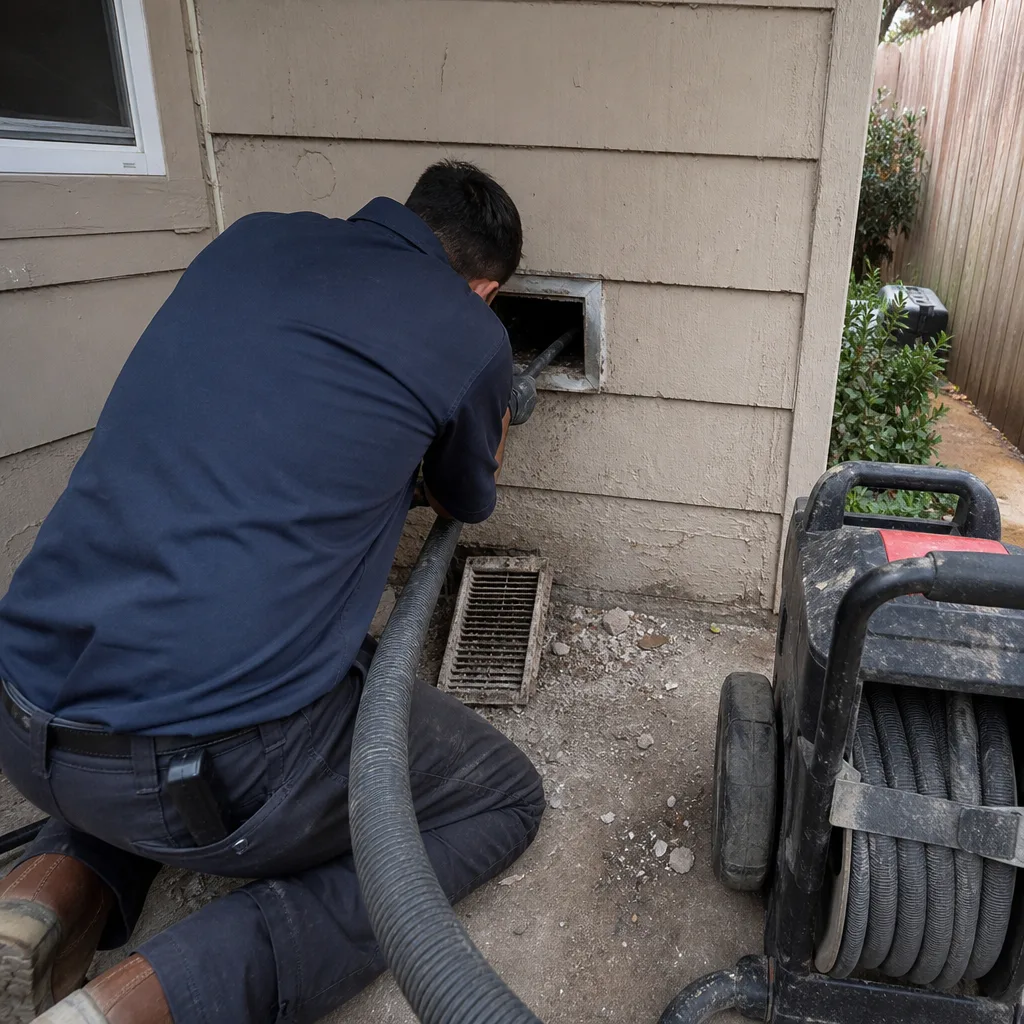 Before
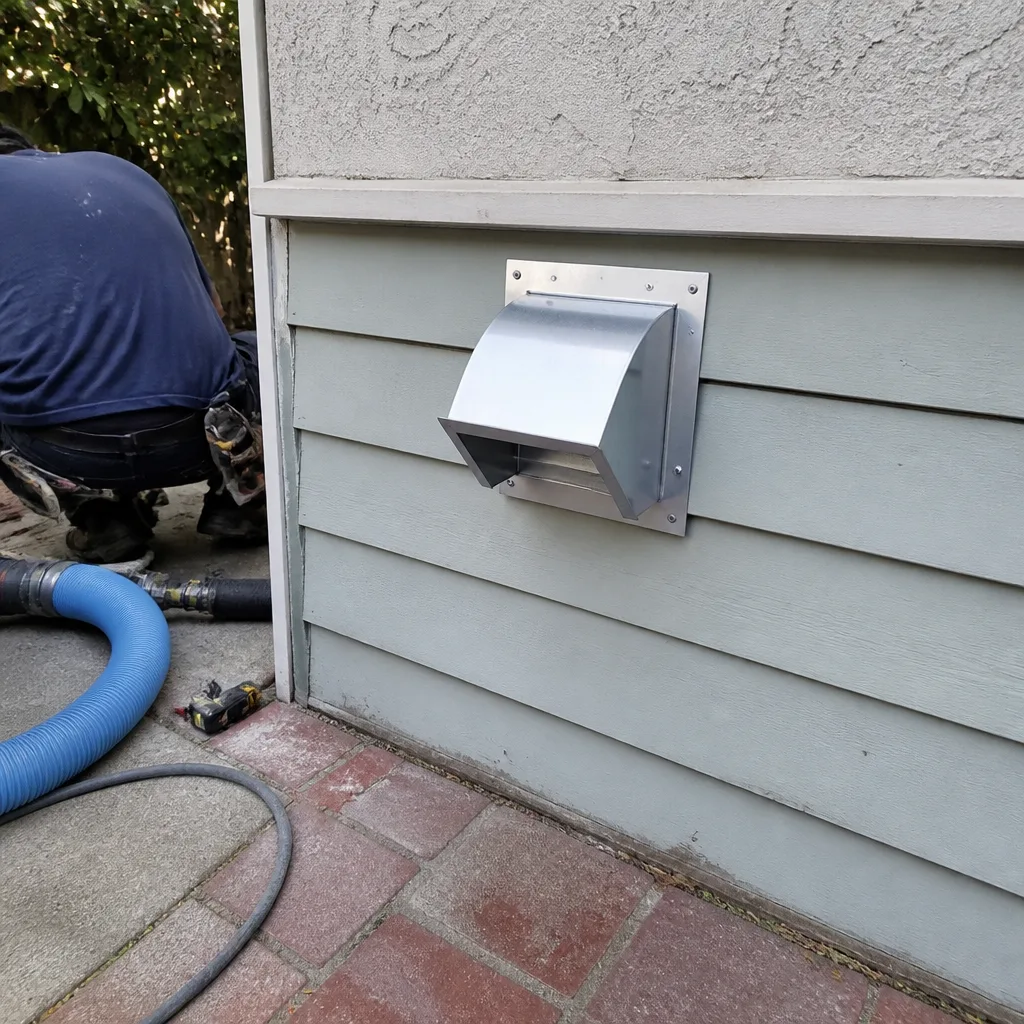 After
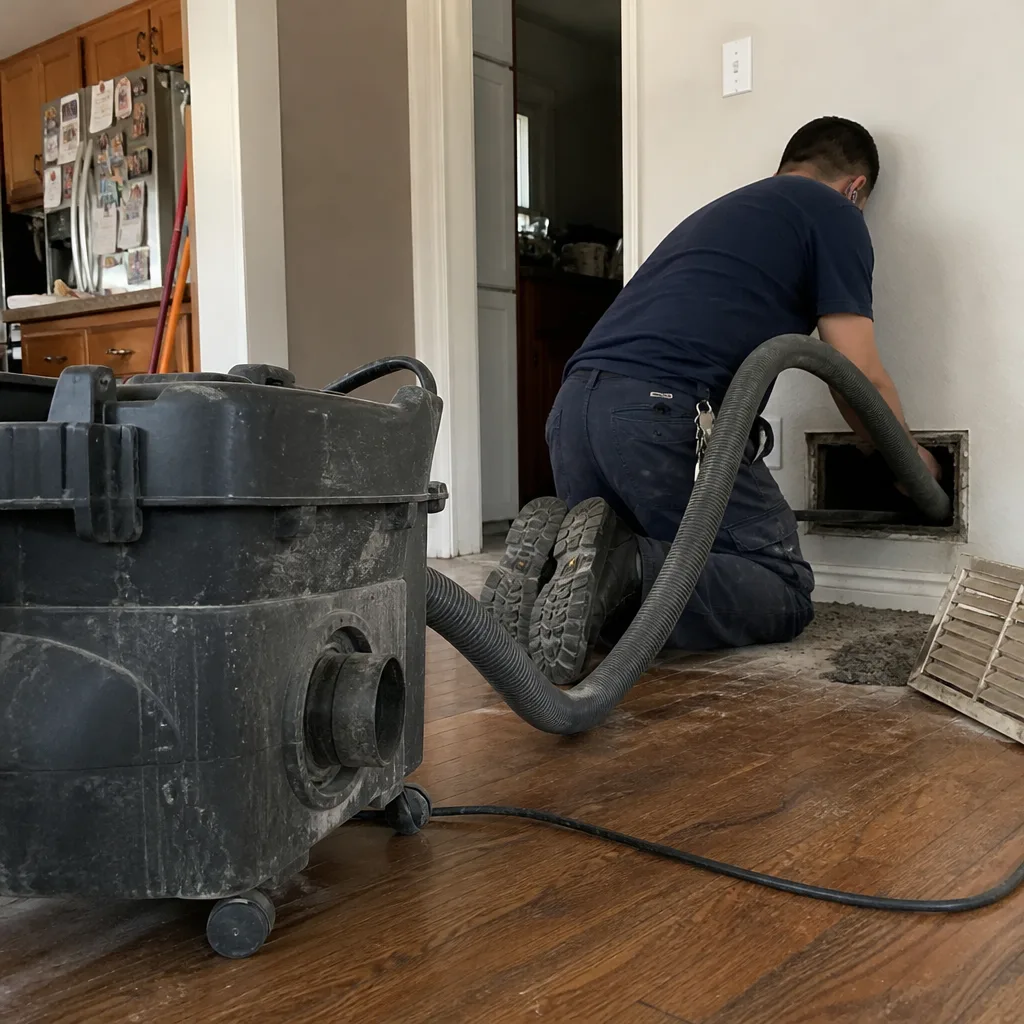 Before
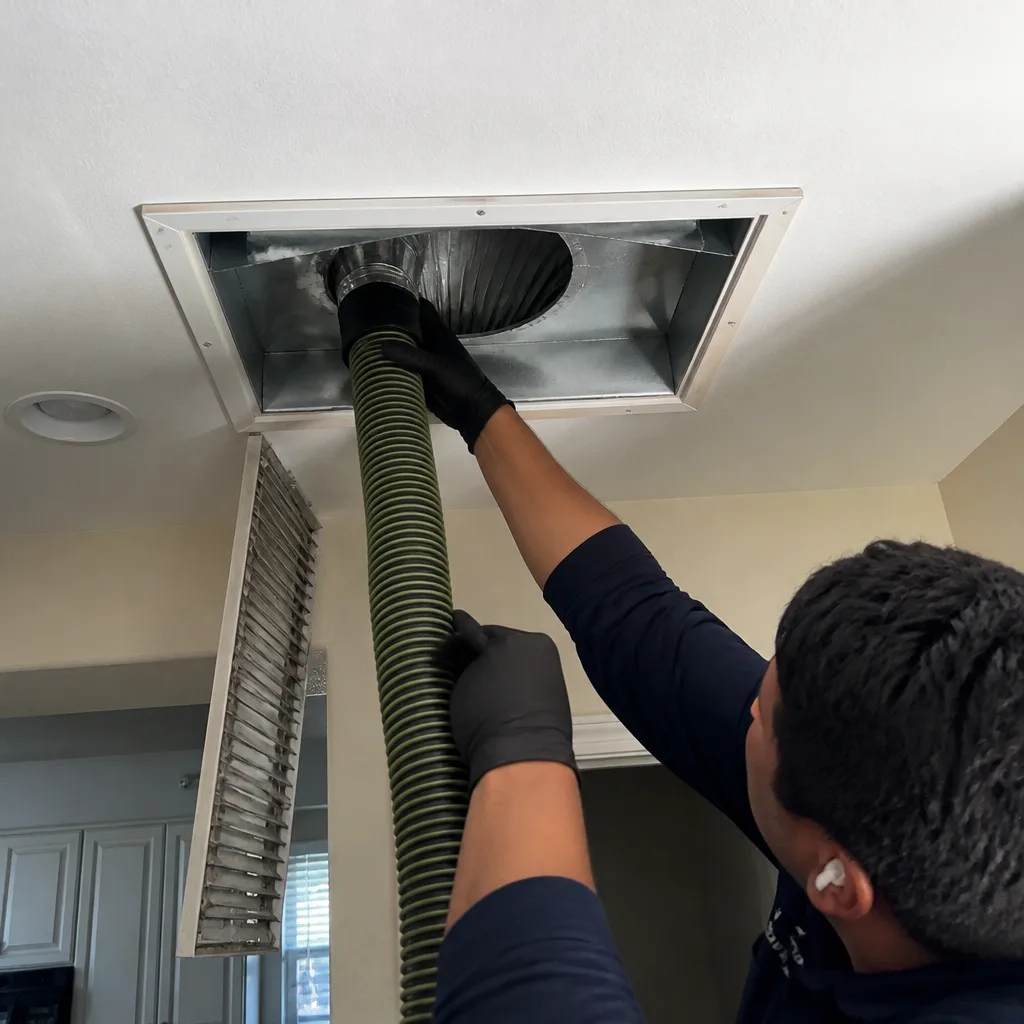 After
 Before
 After