
Last updated November 2, 2026
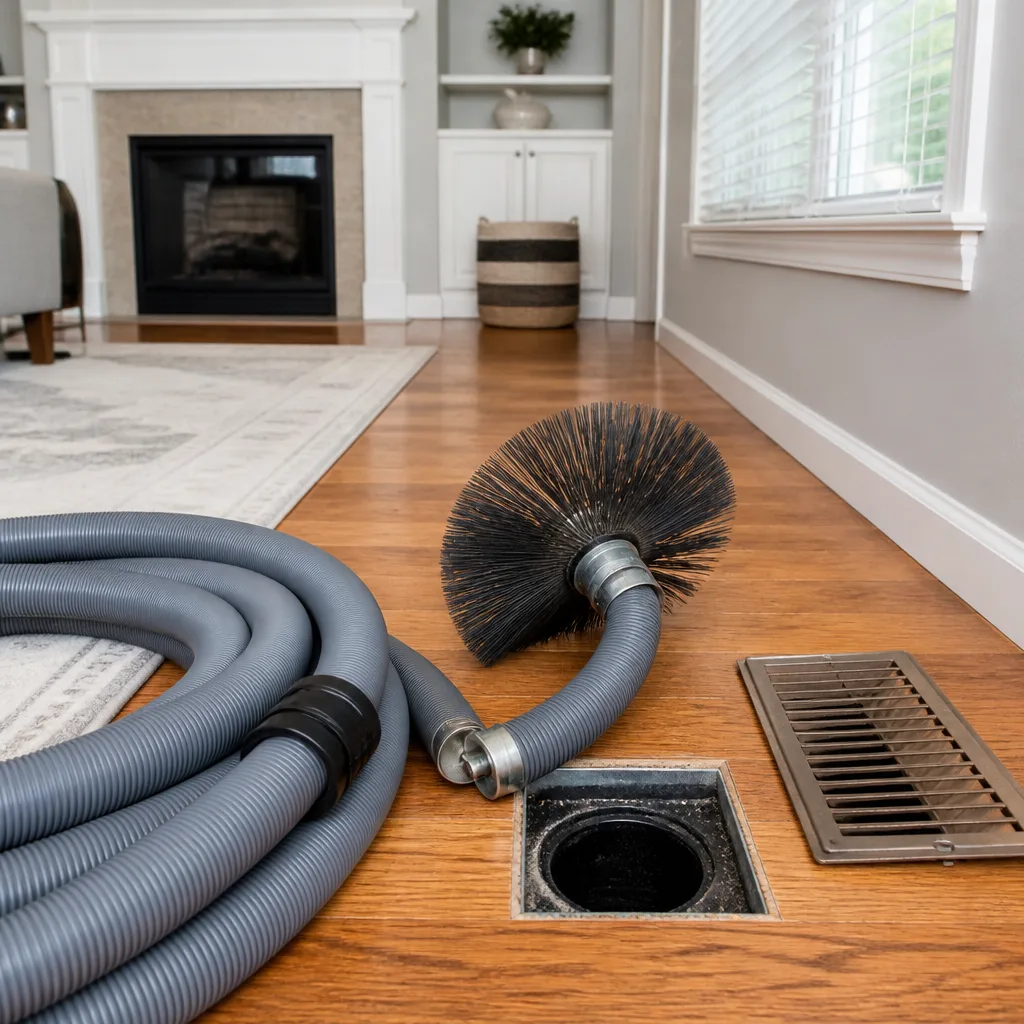 Whole-home duct cleaning
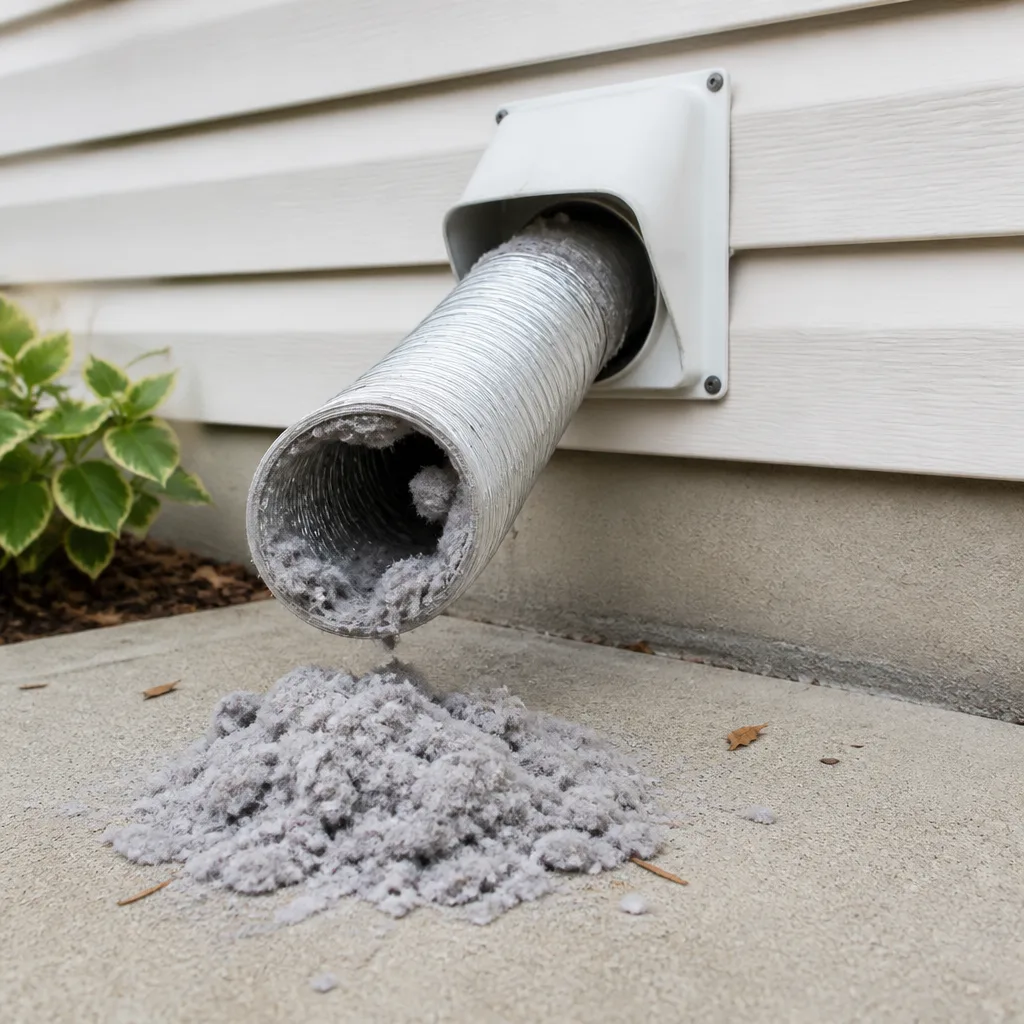 Dryer vent cleaning
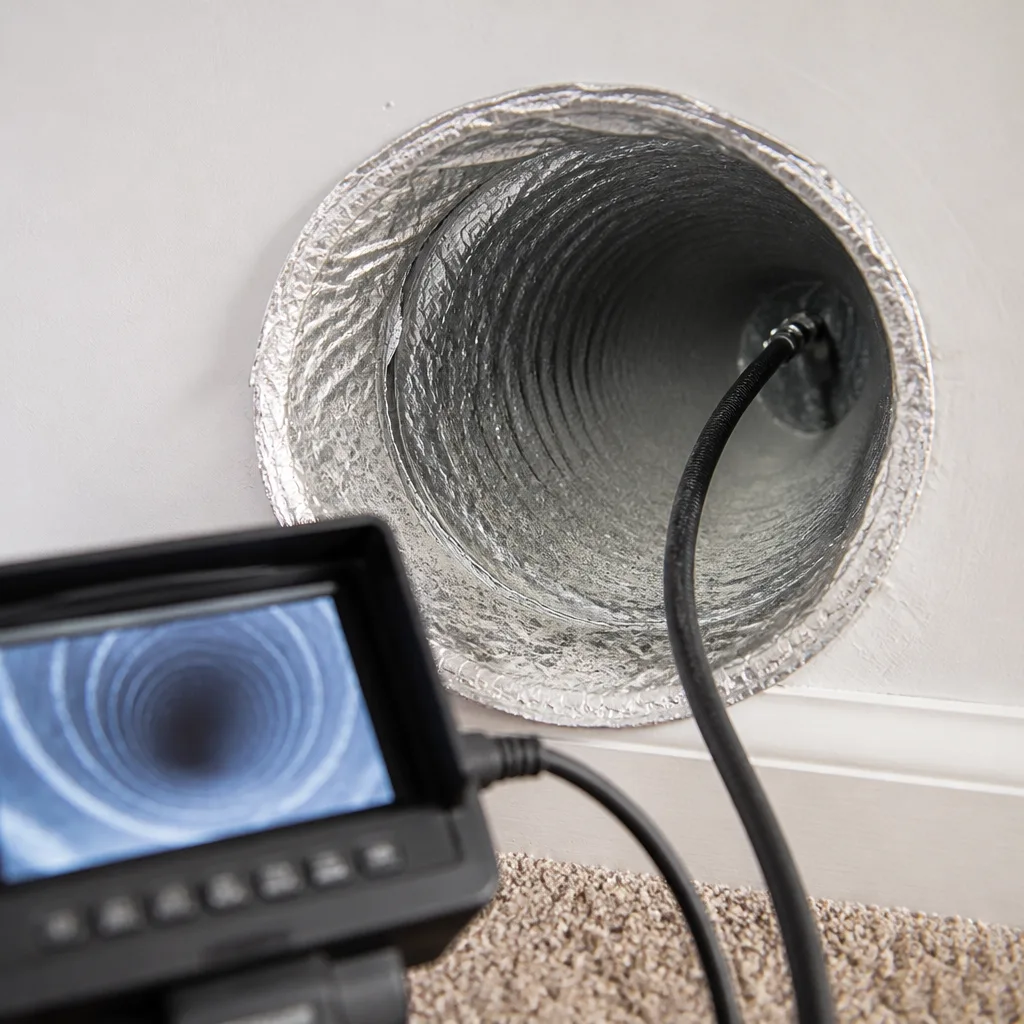 Camera inspection
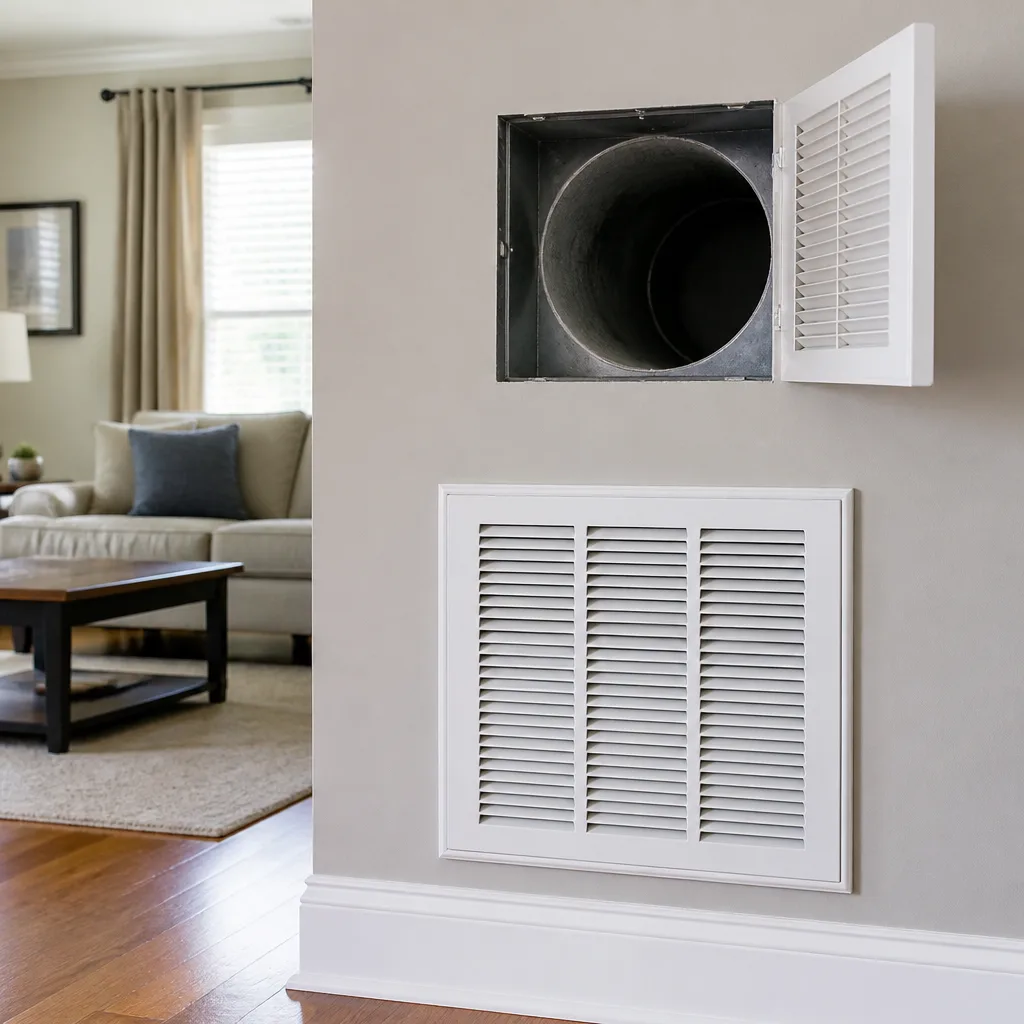 Sanitizing & deodorizing
Whole-system duct and dryer vent check with before-and-after photos - you see exactly what came out of your vents
That "$99 whole-house special" is a bait ad - the real number appears once they are in your hallway, or the "clean" is a shop-vac at the register. We photograph the inside of your ducts before and after instead.
The Complete Air Duct Cleaning Guide for La Mesa Homeowners
The EPA has never certified a single duct cleaning method as universally effective. That’s not a trivial regulatory footnote – it means the $99 coupon company and the contractor-grade operation can both claim they “clean ducts,” and you’d have no way to tell them apart without knowing what to look for. This guide exists to fix that. We’ll walk through what a legitimate air duct cleaning looks like from the inside, step by step, so you can hold any contractor accountable. If you live in La Mesa, where coastal humidity mingles with wildfire smoke and older housing stock hides decades of accumulated debris, this information pays for itself.
Quick Answer
Air duct cleaning in La Mesa involves a professional inspection, mechanical agitation of debris using rotary brushes, and simultaneous extraction through a HEPA-filtered negative-air system that captures contaminants rather than recirculating them. A legitimate job takes 3 to 5 hours for a typical single-family home and should include a before-and-after camera inspection. The key to vetting any contractor is confirming they use purpose-built equipment – not a shop vac with a brush attachment – and can repair damaged ductwork they find, not just clean around it.
Styles & brands we work with
- Whole-home duct cleaning
- Dryer vent cleaning
- Camera inspection
- Sanitizing & deodorizing
Table of Contents
- What Actually Gets Cleaned (And What Doesn’t)
- How La Mesa’s Climate Shapes Your Ducts
- The Equipment Difference: Rotary Brush vs. Shop Vac
- The Step-by-Step Process of a Legitimate Cleaning
- Why Inspection Cameras Are Non-Negotiable
- Duct Repair: The Half-Finished Job Problem
- What Air Duct Cleaning Costs in La Mesa
- Room-by-Room Verification Checklist
What Actually Gets Cleaned (And What Doesn’t)
A duct system is more than the metal channels behind your walls. It includes the return air plenum, supply registers, branch runs, main trunk lines, the air handler cabinet, the blower fan, and the evaporator coil. A thorough Air Duct Cleaning in La Mesa job addresses all of these surfaces – not just the visible register openings.
What accumulates in these spaces is predictable: skin cells, pet dander, insect remains, construction debris, carpet fibers, and – in homes near La Mesa’s canyon edges – a surprising volume of fine wind-blown particulates. After a remodel, you’ll also find drywall dust and paint overspray. If a previous owner smoked indoors, the duct walls carry a sticky nicotine film that acts as a magnet for every other contaminant.
What a legitimate cleaning does not do is kill mold spores or eliminate odors at their source. Mold in ducts is a symptom of moisture – usually a condensation problem or a leak – and cleaning without addressing the moisture source means the mold returns. This is where a company that can also perform Air Duct Repair in La Mesa has a structural advantage: they can identify and fix the breach or condensation issue that caused the contamination, instead of leaving you with clean ducts that re-contaminate in six months.
Key Takeaways
- Duct cleaning covers the entire HVAC air pathway, not just visible register openings
- Common La Mesa duct contaminants include pet dander, construction dust, and canyon wind particulates
- Mold in ducts signals a moisture problem that cleaning alone cannot permanently solve
- Repair capability matters as much as cleaning capability
How La Mesa’s Climate Shapes Your Ducts
La Mesa sits in a microclimate that differs meaningfully from both coastal San Diego and inland East County. You get marine layer mornings, dry afternoons, and seasonal Santa Ana winds. That combination produces a specific contamination pattern: fine dust that enters through gaps in return-air paths, settles in the main trunk line, and re-suspends every time the blower kicks on.
Wildfire smoke season adds another layer. Even when La Mesa isn’t under evacuation warning, smoke from fires in Alpine, Jamul, or points further east infiltrates homes through HVAC intakes. Smoke particles are extraordinarily fine – often under 2.5 microns – and they penetrate deep into duct surfaces. After a heavy smoke season, the interior of ductwork that looked acceptable in the spring can carry a visible gray film by November.
The coastal-adjacent humidity also plays a role. La Mesa isn’t as damp as Point Loma, but the marine layer raises indoor relative humidity enough that dust binds to duct walls instead of blowing through. That binding makes professional mechanical agitation – the rotary brush approach – more necessary here than in drier inland climates where loose dust can be extracted more passively.
The Equipment Difference: Rotary Brush vs. Shop Vac
Here’s the core problem with the low-cost duct cleaning industry: a shop vac with an extension hose and a brush attachment feels like the same thing as professional equipment to a homeowner watching the work. It isn’t. There are two mechanical functions that matter in duct cleaning – agitation and extraction – and a shop vac does both poorly.
Rotobrush rotary-brush systems work on a simple principle: a rotating head physically scrubs the duct walls while an integrated vacuum pulls loosened debris out simultaneously. The brush dislodges the caked-on film that humidity has cemented to the surface; the vacuum keeps that debris from simply migrating deeper into the system. This is agitator-and-extraction working together, and it’s the professional standard for a reason.
Nikro HEPA-rated equipment matters for extraction. A standard shop vac filters down to maybe 5 microns. HEPA filtration captures particles down to 0.3 microns. The difference matters because the tiny particles – the ones that trigger allergies and asthma responses – are exactly the ones a shop vac blows right back into your living space through its exhaust. Using HEPA equipment means contaminants are captured, not redistributed.
Abatement Technologies negative-air containment systems take this a step further. These are the same containment standards used in professional remediation work – asbestos abatement, mold mitigation, lead dust cleanup. During duct cleaning, the negative-air machine pulls the entire air volume of the workspace through HEPA filters continuously. That means even if the cleaning process dislodges something unexpected, it doesn’t escape into the rest of your home. For La Mesa homeowners with allergies, a respiratory condition, or simply a low tolerance for construction dust, this is the difference between a cleaning that helps and a cleaning that trades one problem for another.
The Step-by-Step Process of a Legitimate Cleaning
Here’s what a real Air Duct Cleaning job looks like when the company knows what it’s doing.
- System inspection. Before any cleaning begins, the technician should inspect the entire duct system – registers, returns, the air handler, and accessible duct sections. At minimum this is visual; ideally it’s a camera inspection with recorded footage. This establishes the baseline.
- Containment setup. The workspace is sealed with plastic barriers where appropriate, and the negative-air containment system is positioned and activated. This should happen before the cleaning starts.
- Register and grille removal. Every supply register and return grille is removed, labeled by location, and cleaned. This is also when the technician can see surface-level contamination at each room’s endpoint.
- Mechanical agitation. The rotary brush system is inserted into the main trunk and each branch line. The rotating head scrubs the duct walls, dislodging adhered material. This is the step a shop vac cannot replicate.
- Simultaneous extraction. As the brush agitates, the integrated vacuum – running through HEPA filtration – pulls loosened debris out of the system. Negative pressure prevents contaminants from blowing back into rooms.
- Air handler and blower cleaning. The blower fan blades, cabinet interior, and evaporator coil access are cleaned. This step is sometimes skipped by budget operators because it takes time and requires accessing the air handler, but skipping it means the air moving through your clean ducts is being pushed by a dirty fan.
- Filter replacement or installation. If your system has a standard 1-inch filter, it gets replaced. If you have a media filter or a Honeywell or Aprilaire electronic air cleaner, the technician should confirm it’s functioning correctly.
- Post-cleaning inspection. The camera goes back in. You should see the same duct surfaces, now visibly clean. If the company can’t or won’t show you post-cleaning footage, ask why.
- Report and documentation. A professional job ends with a written summary of what was cleaned, what was found, and any recommendations for repair or maintenance. This is your record.
In our experience, the whole sequence takes 3 to 5 hours for a typical La Mesa single-family home. A company that says they’ll be done in 45 minutes is not doing the same job.
Why Inspection Cameras Are Non-Negotiable
Ductwork is the only home system where the work area is invisible to the homeowner. You can see a plumber fix a pipe. You can see an electrician wire an outlet. But when a duct cleaner finishes a job, the evidence is hidden behind drywall and register grilles.
This is why the inspection camera is the single most important tool in the entire process. A legitimate cleaning begins with a camera inspection that documents what the ducts actually look like before anyone touches them – not just a flashlight peek at the first three inches past the register. The technician should be able to show you live or recorded footage of the condition inside your main trunk line: dust accumulation, construction debris, pest evidence, moisture staining, seam separations.
And the post-cleaning camera pass is where the job gets verified. Not “we’re done, sign here.” The technician should run the camera back through the same sections and show you the difference. If a company doesn’t do a camera inspection, there is no way to distinguish a completed job from a partial one, and no way to hold anyone accountable. Demand the camera. Any contractor who resists this is telling you something about how they define “done.”
Duct Repair: The Half-Finished Job Problem
Here’s the scenario we see regularly in La Mesa homes. A homeowner pays for duct cleaning. The technician does the work and leaves. Six months later, the homeowner notices dust accumulating on registers faster than expected. They call a different company for a second opinion, and the camera reveals the source: a separated seam in a branch line, a disconnected flex duct in the crawlspace, or a deteriorated elbow pulling unfiltered attic air directly into the system.
The cleaning was fine. The duct system just wasn’t intact. And a freshly cleaned duct connected to a breached return is like a clean straw that keeps sucking in the same dirty air.
The problem is that most duct cleaning companies don’t do repair work. They don’t carry mastic sealant, metal tape, replacement flex sections, or the tools to reconnect a fallen duct run. So when their camera finds a problem – assuming they even run a camera – they either ignore it or hand you a list and tell you to call someone else. That someone else schedules a visit three weeks out, and by then the breached system has been pulling unfiltered air through your clean ducts for almost a month.
This is where the integration of cleaning and Air Duct Repair in La Mesa under one roof changes the economics of the whole service. The technician who cleans the duct is also the technician who can repair the separated seam, reconnect the fallen run, or seal the leaking plenum – same visit, same camera, same system. From cleaning to repair in a single visit isn’t just a convenience; it’s the only way to ensure the cleaning actually holds.
If you’re researching this for the first time, we’d suggest starting at the Duct Cleaning La Mesa home page to see what a properly integrated service looks like, then digging into the specifics as you go.
What Air Duct Cleaning Costs in La Mesa
Air duct cleaning in La Mesa typically runs between $450 and $900 for a single-family home under 2,500 square feet, depending on the number of returns, the accessibility of the air handler, and the level of contamination. Larger homes, multi-zone systems, and homes with accessible crawlspace ducting can push toward the upper end or beyond.
Here’s what that range looks like broken down, so you can hold a quote against a real benchmark:
| Service Component | Typical Range in La Mesa |
|---|---|
| Full-system duct cleaning (up to 10 vents) | $450 – $700 |
| Each additional vent beyond 10 | $20 – $35 per vent |
| Air handler and blower cleaning | $75 – $150 |
| Camera inspection (before and after) | Often included; inquire |
| Duct repair (per separated seam or connection) | $75 – $200 |
| Filter replacement | $10 – $40 |
The honest conversation about price is that the $99 mailer coupon is not buying the same service as a $600 quote. The $99 price assumes a single technician, a portable vacuum, and about 45 minutes of work. It doesn’t include the air handler cleaning, the camera inspection, the HEPA filtration, or the repair capability. It’s not a discount on the real service; it’s the price of a different, significantly smaller job.
Of course, there are also companies that overcharge for basic work without justification. The way to protect yourself is to ask three questions: What equipment do you use? Do you do a camera inspection before and after? Can you repair what you find? A company that answers those three questions with specifics is almost certainly buying the same professional-grade equipment that makes the price honest.
It’s also worth noting that Dryer Vent Cleaning in La Mesa is typically a separate service with its own pricing – usually $150 to $300 depending on vent length and accessibility. That’s a different system with different tools and a different hazard profile, and we treat it that way.
Room-by-Room Verification Checklist
On the day of service, here’s a checklist you can run to confirm the technician is following a real process. Don’t hover, but do verify these moves.
- Containment setup before cleaning starts. The workspace should be sealed and negative air established before any agitation begins. If the technician starts scrubbing without containment, the dust has nowhere to go but your living room.
- All registers removed and labeled. Every supply and return grille comes off, gets cleaned, and goes back in the right place. A technician who only removes the registers they can reach is skipping sections.
- Mechanical agitation visible. You should see the rotary brush attached to a vacuum line being fed into the duct system – not a flexible brush taped to a shop hose.
- HEPA vacuum connected at all times during agitation. If the brush is running without the vacuum running, debris is being loosened and not captured.
- Air handler access. The technician should open the air handler cabinet and clean the blower and cabinet interior. If they don’t touch the air handler, the filter side of the system stays dirty.
- Before and after camera footage. You should be offered the chance to see both. If there’s no camera in the truck, there’s no way to verify the job.
- Repair findings reported. At the end, the technician should tell you whether they found any disconnected runs, separated seams, or damaged sections – and whether they fixed them on the spot.
There’s no shame in asking to see the equipment before the work starts. A professional isn’t hiding a shop vac in the van; they’re proud of the gear they use.
Common Mistakes to Avoid
- Falling for per-vent pricing without a system total. A low per-vent price can hide the fact that the system has 14 vents and you’ll pay more than a flat whole-system quote. Ask for the out-the-door number.
- Skipping the post-cleaning camera review. If you don’t see the after footage, you’re taking the company’s word for the work. Take the five minutes to look at the screen.
- Not asking about the air handler. Cleaning the ducts without cleaning the blower is like changing the oil without changing the filter. Your system moves air by pushing it through the blower; a dirty blower re-contaminates clean ducts within weeks.
- Assuming mold in the ducts is a cleaning problem. Mold in ductwork is a moisture problem first. If the company doesn’t ask where the moisture is coming from, they’re selling you a partial solution.
- Choosing a cleaner who can’t repair. A separated duct seam or disconnected flex run is common in older La Mesa homes, and a cleaning company without repair capability will clean around it, not fix it. You’ll be calling again in six months.
- Ignoring the dryer vent. Dryer vents are a separate system from HVAC ducts, and they carry a separate risk profile – lint-clogged dryer vents are a leading cause of residential fires. Confirm whether the company handles Dryer Vent Cleaning in La Mesa as a distinct service rather than an afterthought.
- Hiring based on a mailer without checking equipment. A coupon doesn’t tell you anything about the gear in the van. Ask about the brands. Rotobrush, Nikro, and Abatement Technologies are real names in the industry; if a company has no answer to “what do you use,” that’s an answer.
See the difference
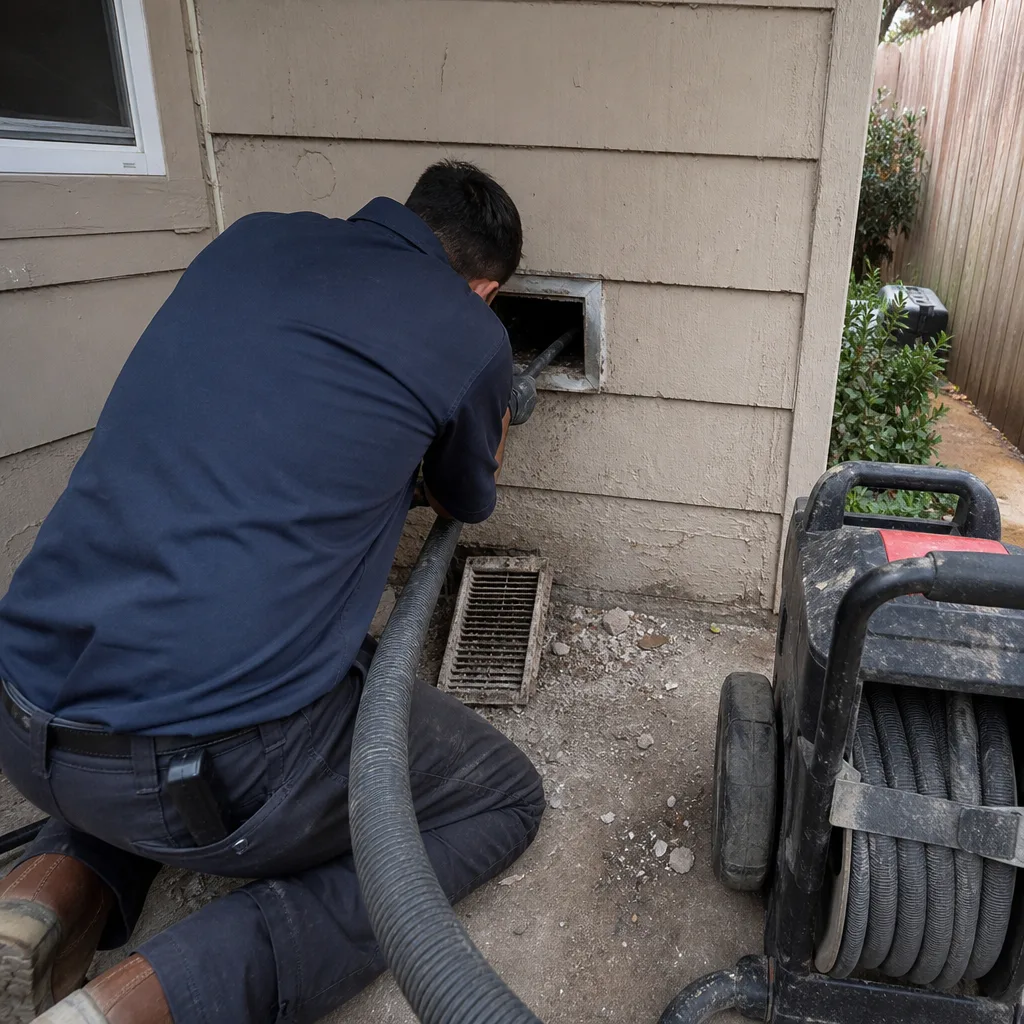 Before
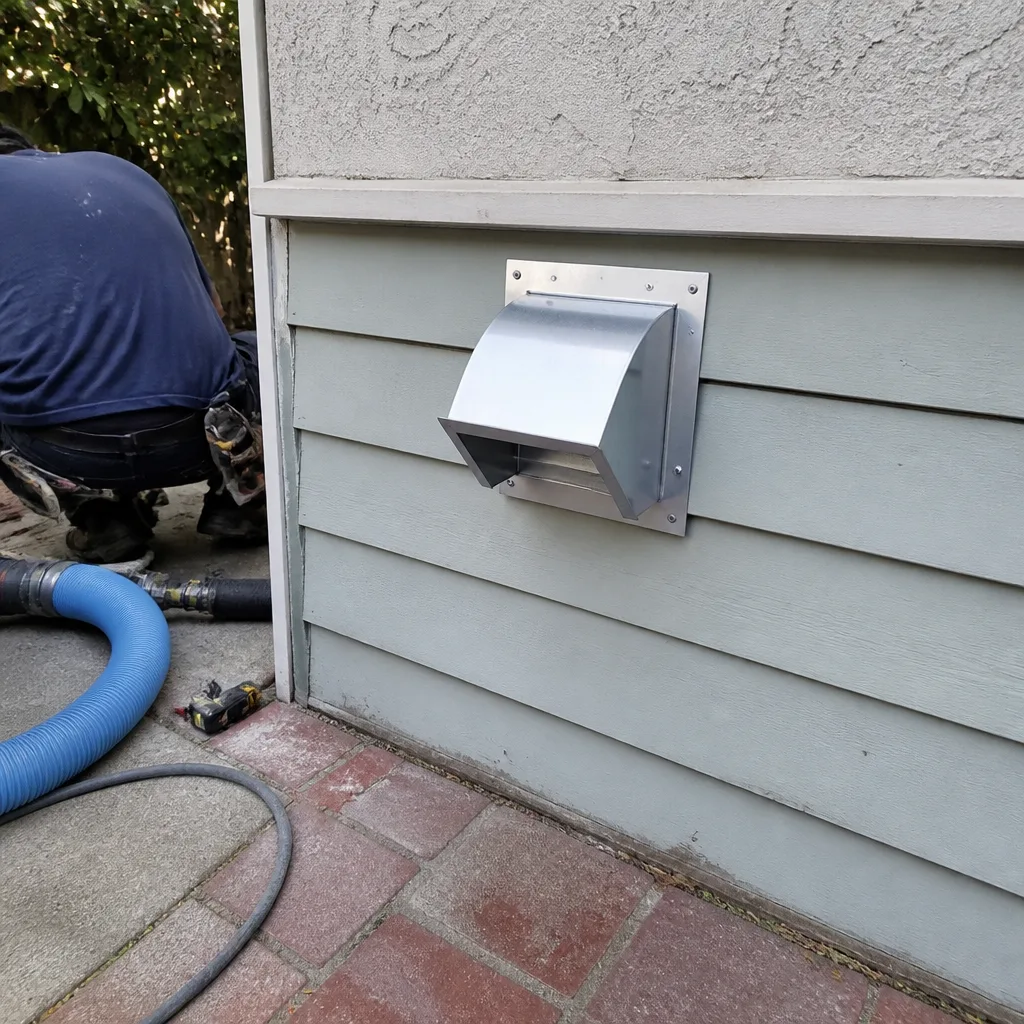 After
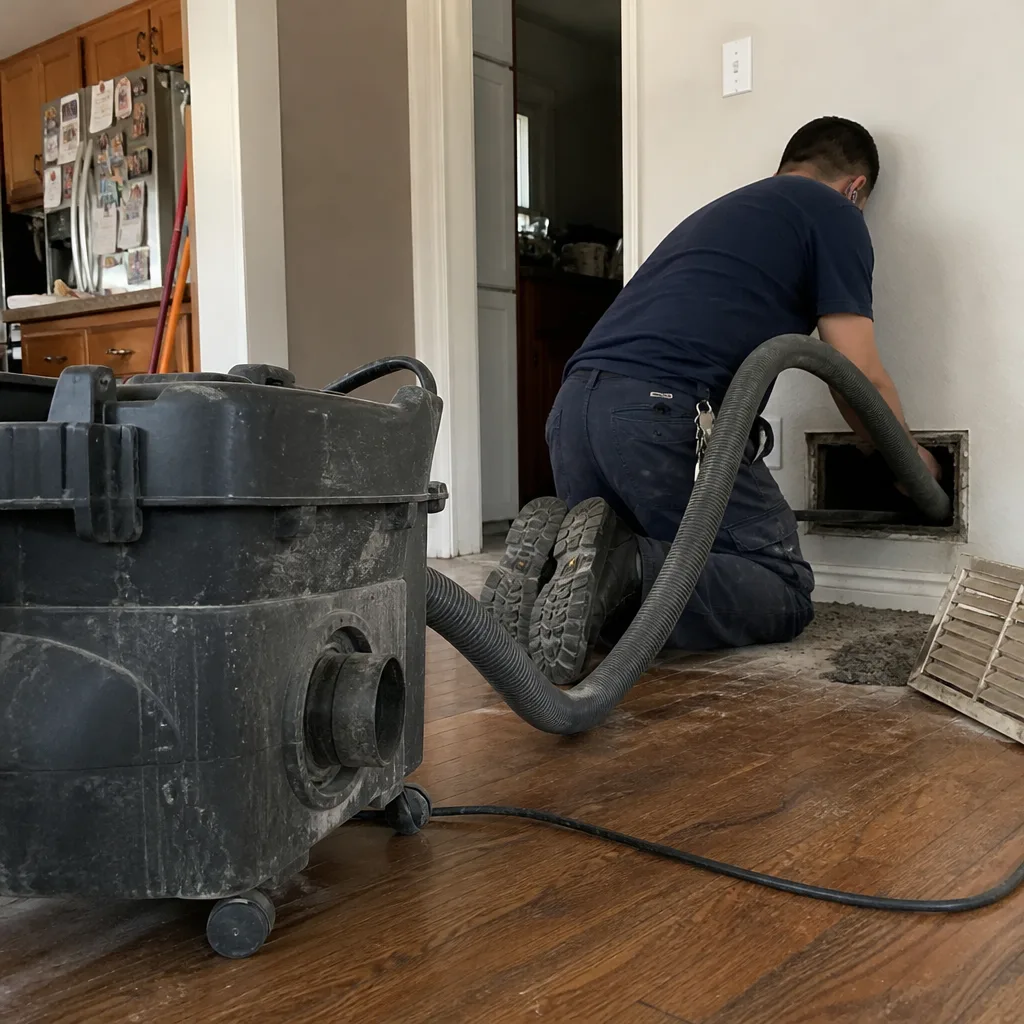 Before
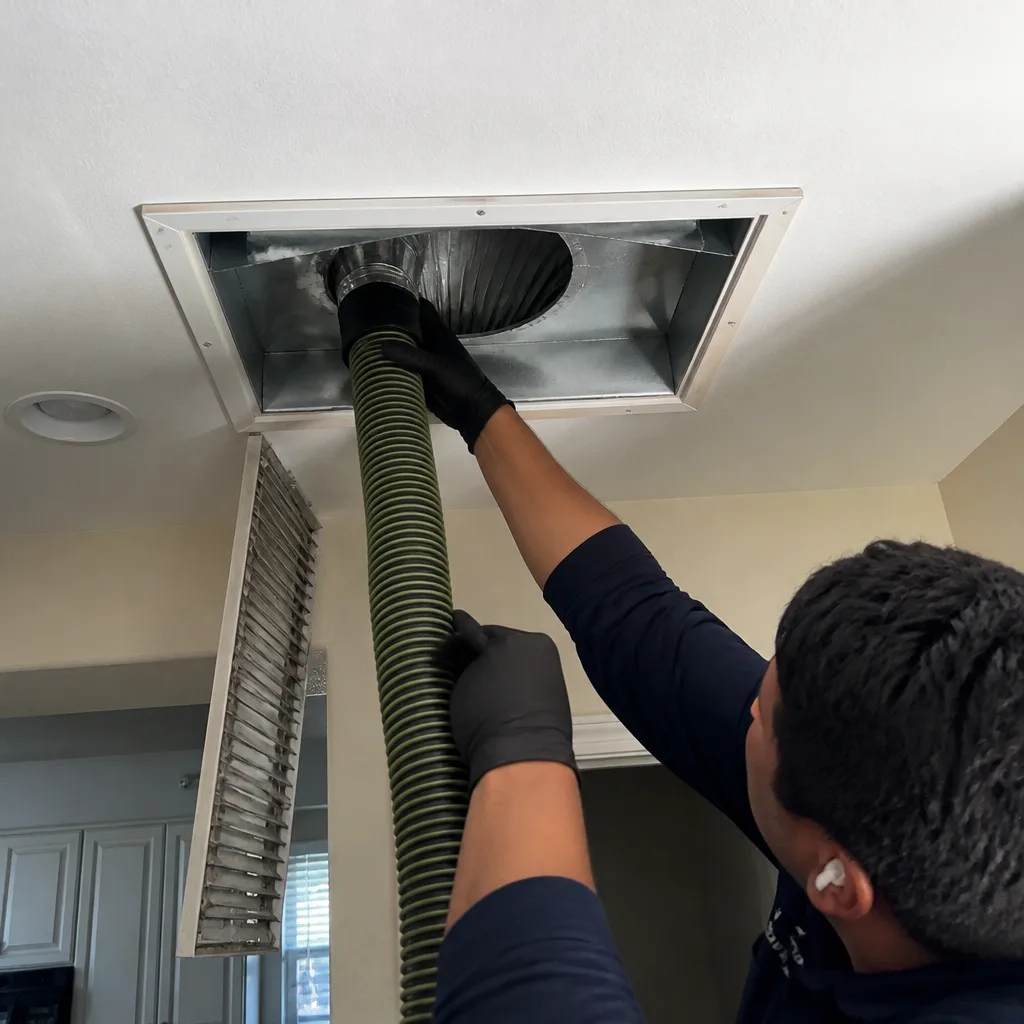 After
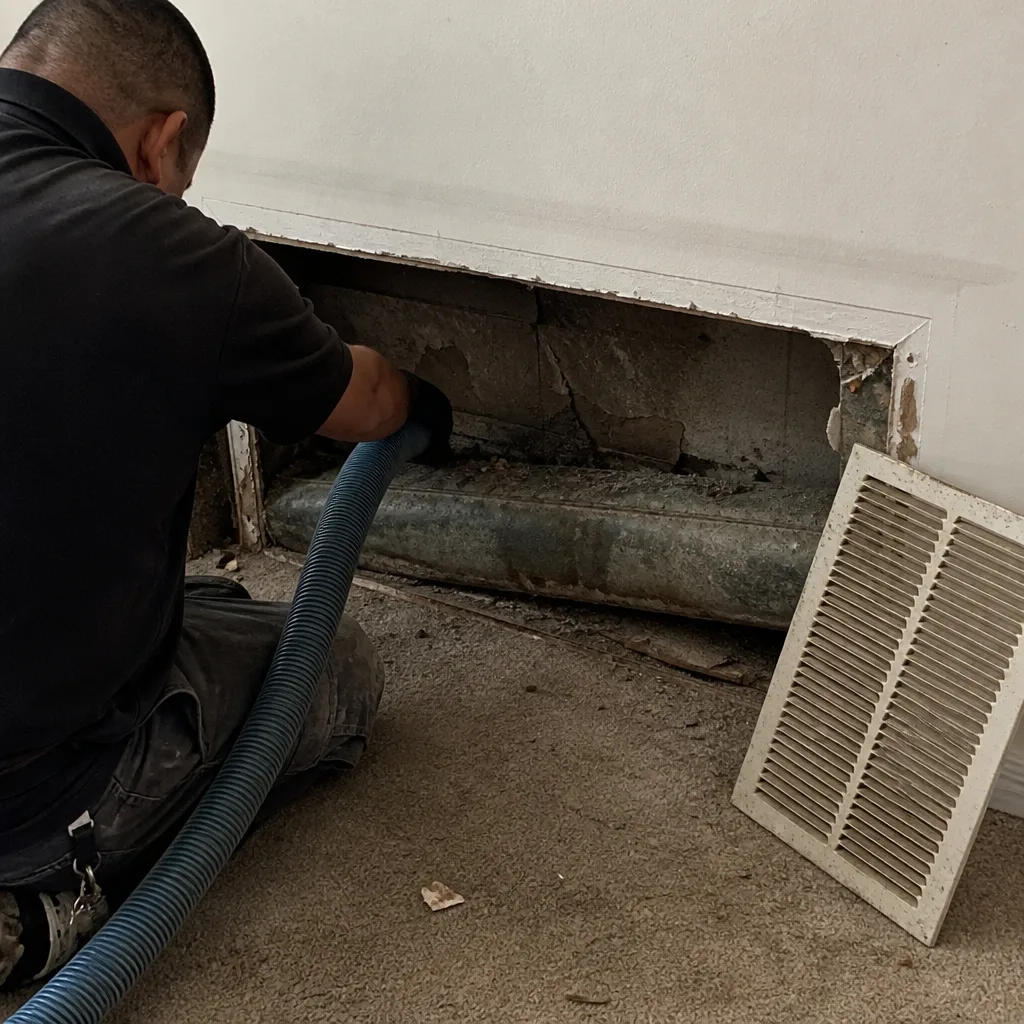 Before
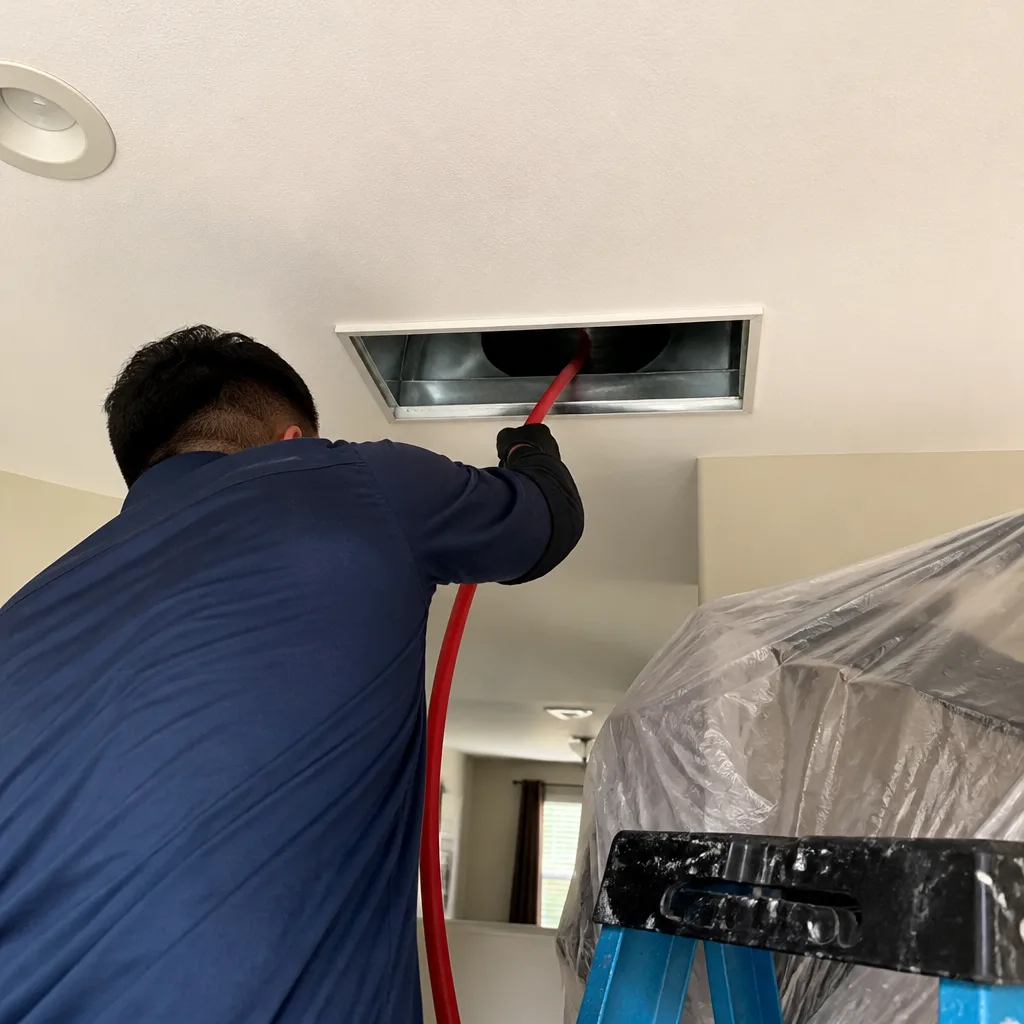 After
When to Call a Professional
Some situations are genuinely DIY-adjacent, like swapping a return filter or vacuuming a register grille. But the actual duct system – the branch lines, the main trunk, the air handler, the evaporator coil – is beyond the reach of any homeowner tool. Call a professional when you see visible dust buildup around multiple registers, when you’ve had a renovation that produced drywall dust or paint overspray, when your allergies spike every time the HVAC cycles, when you notice uneven airflow between rooms, or when a fire season has filled the air with smoke for weeks. Duct Cleaning La Mesa offers free estimates in La Mesa – call (833) 589-9836.
Frequently Asked Questions
Air duct cleaning in La Mesa typically costs between $450 and $900 for a single-family home, depending on system size, contamination level, and air handler accessibility. The $99 coupon price is a different, smaller service – be wary of quotes that don’t include a camera inspection and air handler cleaning. Call (833) 589-9836 for an exact quote – estimates are free.
Cheaper quotes usually mean less equipment, less time, and fewer steps in the process. A legitimate cleaning uses rotary-brush agitation, HEPA-filtered extraction, containment, and camera verification; a budget operation skips most of those steps. The difference isn’t markup; it’s a fundamentally different scope of work.
A before-and-after camera inspection is the only verification that matters. A legitimate cleaning begins with recorded footage of the duct interiors and ends with the same camera running through the same sections so you can see the difference. If a company doesn’t offer this, assume the job is unverifiable.
Most La Mesa homes benefit from professional cleaning every 3 to 5 years, with more frequent cleaning after remodeling projects, heavy wildfire smoke seasons, or if you have pets that shed heavily. Homes with respiratory-sensitive occupants often choose a shorter interval. The honest answer is: your ducts tell you. Visible dust around registers, allergy flare-ups during HVAC cycles, and pressure imbalance between rooms are all signs the interval has arrived.
Yes, when it’s done properly. Allergens like pollen, pet dander, and dust mites accumulate in ductwork and recirculate every time the blower runs. A thorough cleaning with HEPA-filtered extraction removes those particulates from the system, but only if the extraction is filtered to HEPA standards – a shop-vac cleaning can actually make allergies worse by stirring up settled debris and blowing the small particles back into the room. HEPA filtration is the difference between removing allergens and redistributing them.
Improper cleaning can damage ductwork and the air handler, which is why the equipment and the operator both matter. Professional rotary-brush systems are designed to agitate duct walls without tearing seams or puncturing flex runs; improvised tools can do real damage. This is also why repair capability matters – if the cleaning process exposes a weakness in your duct system, the company should be able to fix it on the spot, not leave you with a new problem.
The Bottom Line
Air duct cleaning in La Mesa is a service where the difference between a $99 coupon job and a legitimate professional cleaning is almost entirely invisible to the homeowner – unless you know what to look for. The equipment, the containment, the camera verification, and the repair capability are the four pillars that separate real duct cleaning from theater. La Mesa’s climate, with its marine humidity, canyon winds, and wildfire smoke seasons, makes the integrity of your duct system a bigger deal than the average national guide would suggest. Clean the system, verify the cleaning, and fix what the camera finds. That’s the whole job – and now you know how to hold any contractor to it.
Written by the team at Duct Cleaning La Mesa, serving La Mesa since 2012.