
Last updated November 2, 2026
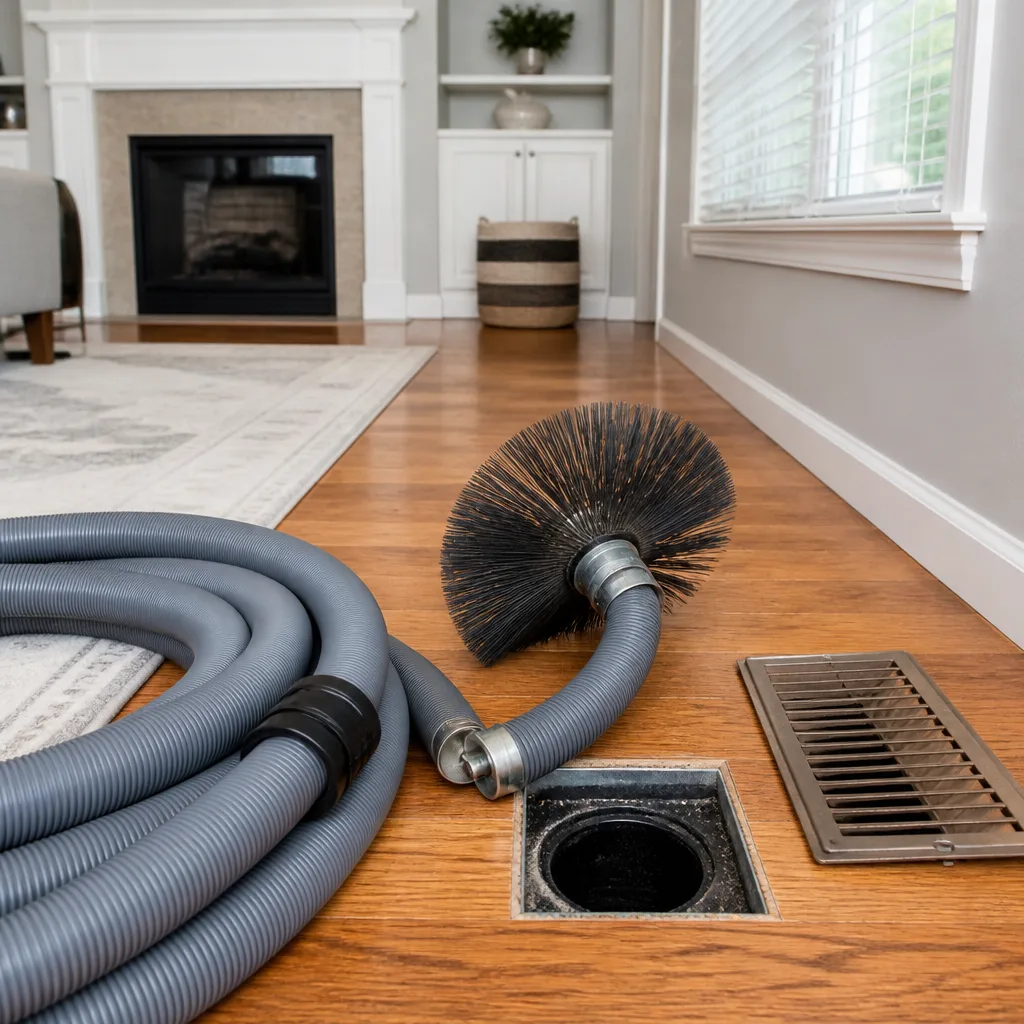 Whole-home duct cleaning
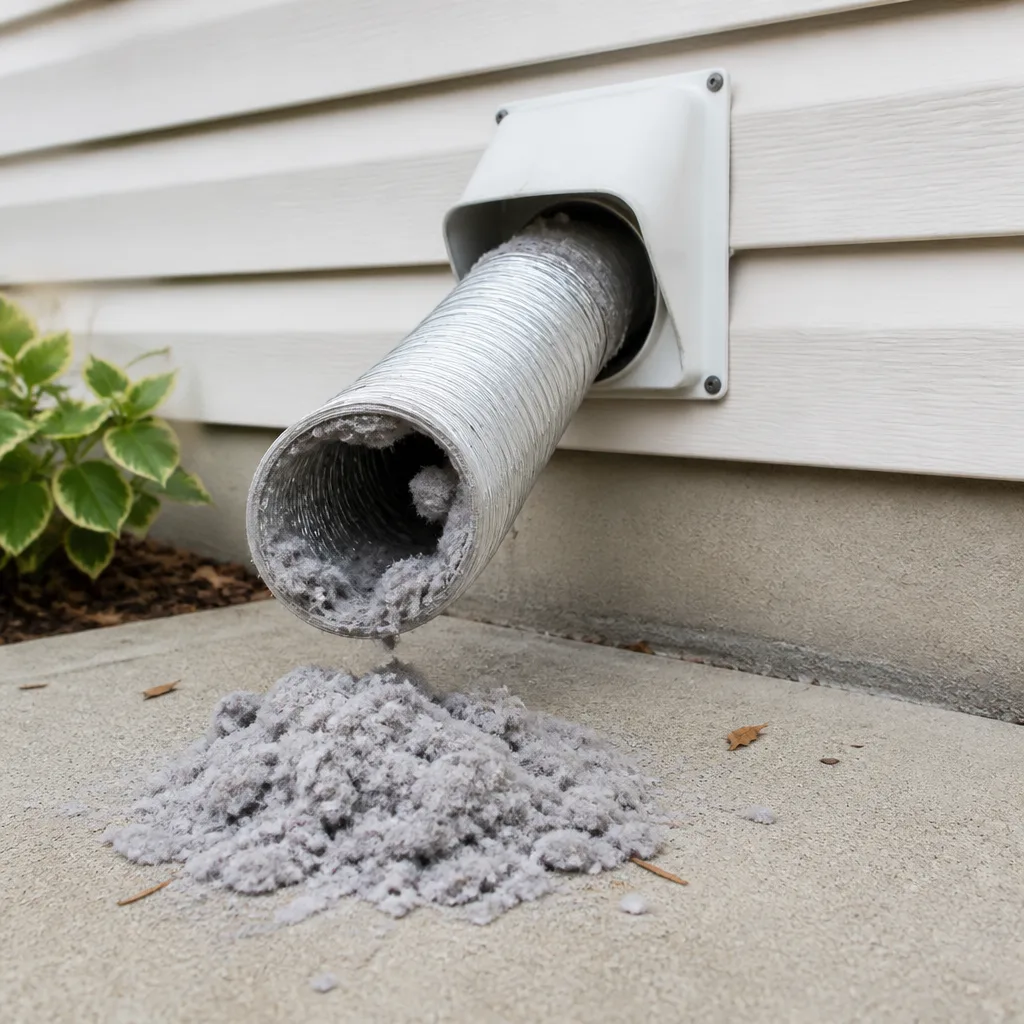 Dryer vent cleaning
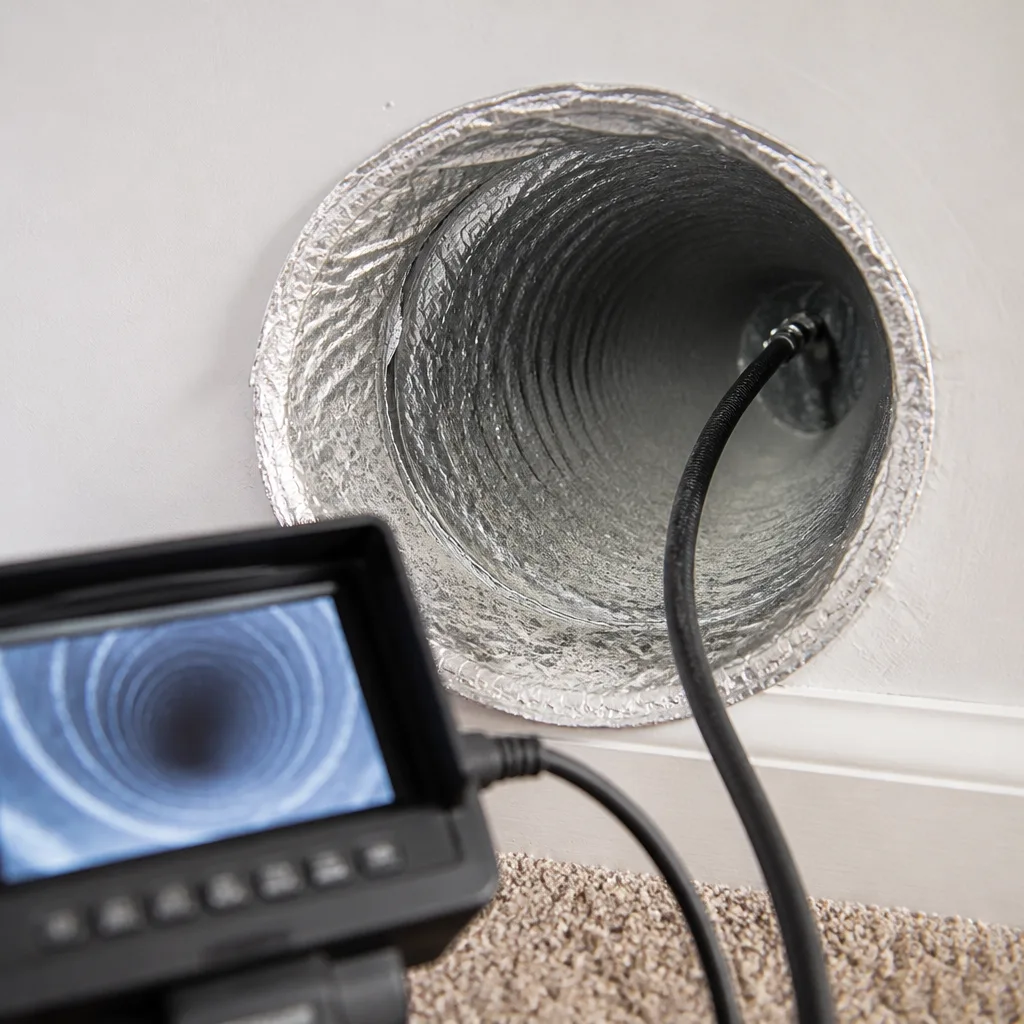 Camera inspection
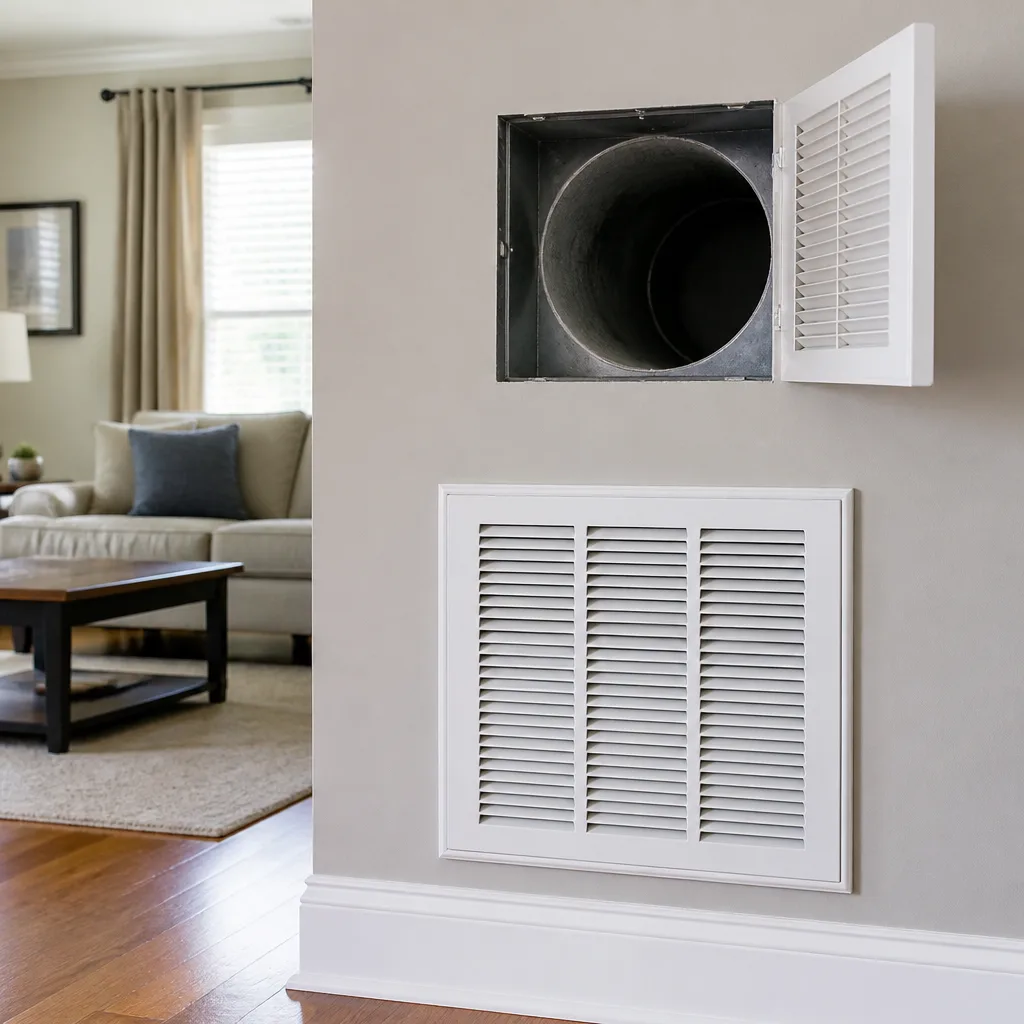 Sanitizing & deodorizing
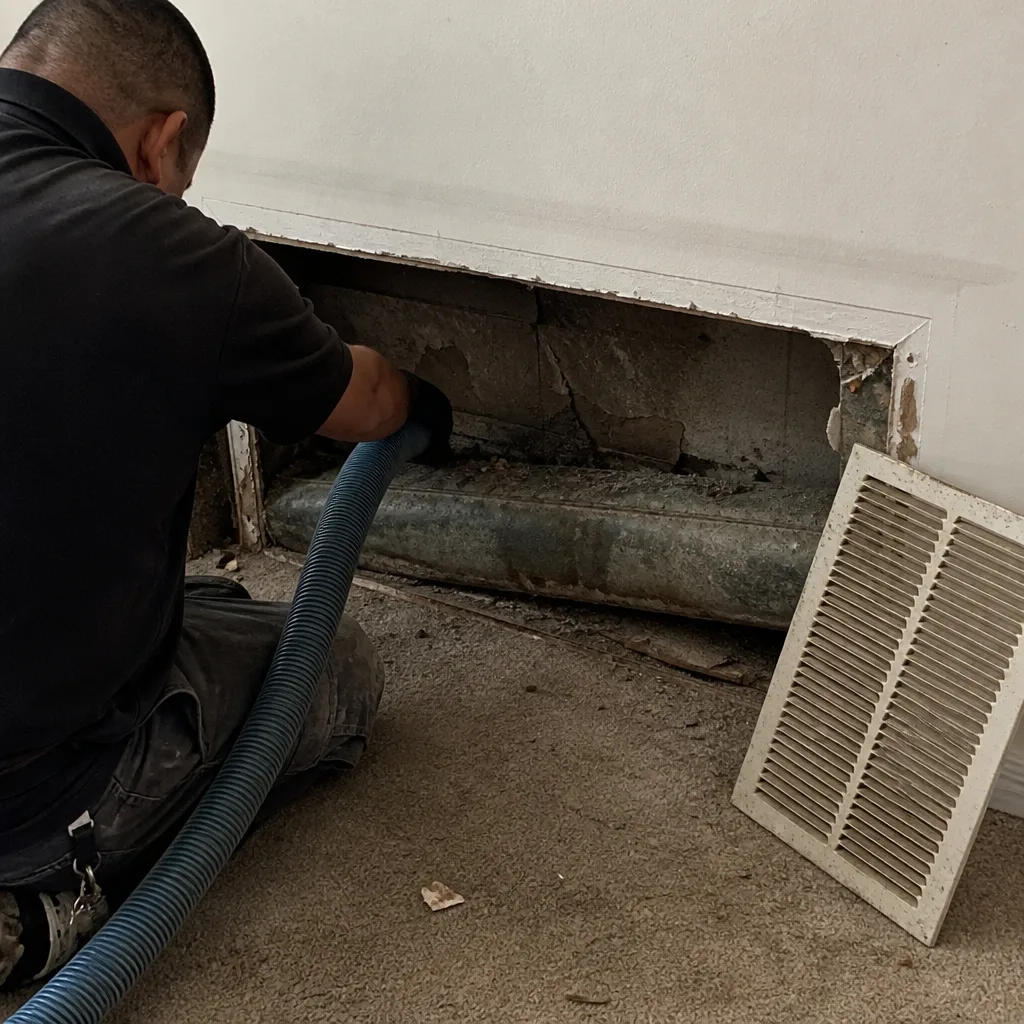
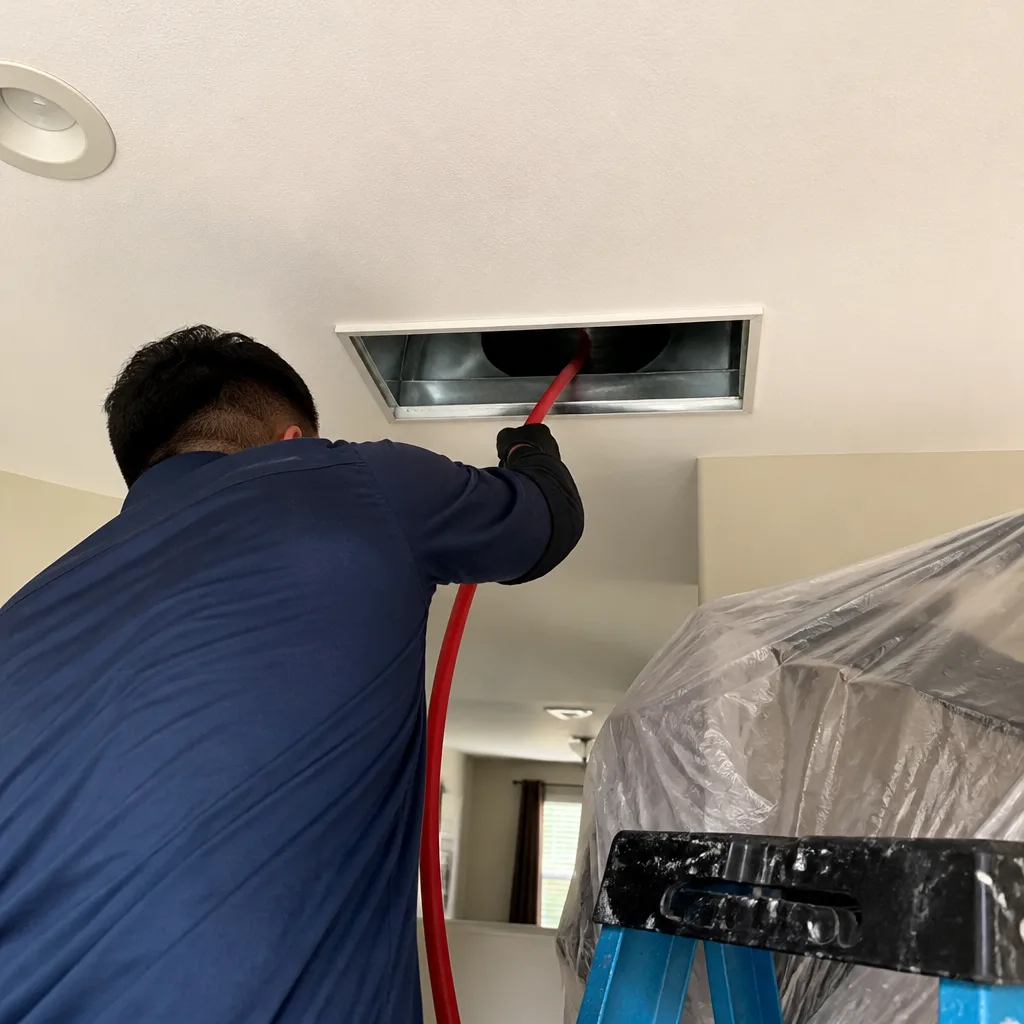
Whole-system duct and dryer vent check with before-and-after photos - you see exactly what came out of your vents
That "$99 whole-house special" is a bait ad - the real number appears once they are in your hallway, or the "clean" is a shop-vac at the register. We photograph the inside of your ducts before and after instead.
DIY vs Professional Air Duct Cleaning: The La Mesa Homeowner’s Decision Guide
Here’s a number that surprises most La Mesa homeowners: the average six-room house circulates roughly 40,000 cubic feet of air through its ductwork every single day, and every cubic foot of that air passes through channels most people have never seen. If you’re weighing a do-it-yourself weekend project against hiring a professional, the decision really comes down to one technical fact that hardware store kits never mention: cleaning without containment just moves dust around. In this guide, we’ll walk through exactly what DIY duct cleaning can and cannot accomplish, what it really costs either way, and how to inspect your own system well enough to know when it’s time to pick up the phone for professional Air Duct Cleaning.
Styles & brands we work with
- Whole-home duct cleaning
- Dryer vent cleaning
- Camera inspection
- Sanitizing & deodorizing
Quick Answer
DIY air duct cleaning in La Mesa is legitimate for accessible tasks like register cleaning and filter replacement, but it cannot replicate the negative-pressure containment that professional equipment provides. Without that containment, you risk loosening debris and redistributing it through your living space. For interior ductwork cleaning, rodent or mold contamination, or post-renovation dust, professional service is the only option that actually solves the problem.
Table of Contents
- What DIY Duct Cleaning Can Legitimately Accomplish
- The Negative Pressure Problem: Why Surface Cleaning Falls Short
- When Professional Equipment Is Categorically Required
- Cost Analysis: Partial DIY vs. Professional Service Over Time
- Using DIY Inspection as a Hiring Tool
- Rotobrush, Nikro, and Abatement Technologies: What Professional Gear Actually Does
- Common Mistakes to Avoid
- When to Call a Professional
- Frequently Asked Questions
- The Bottom Line
What DIY Duct Cleaning Can Legitimately Accomplish
Before we tell you what you shouldn’t try yourself, let’s be fair about what a homeowner in La Mesa can genuinely handle with basic tools and an afternoon. The following tasks are safe, effective, and worth doing on a regular basis regardless of whether you ever hire a professional.
- Register and grille cleaning: The metal or plastic covers where air enters your rooms collect a surprising amount of dust, pet hair, and cooking residue. Removing them and washing with warm soapy water is simple, safe, and makes an immediate visible difference.
- Return air filter replacement: Your HVAC system’s filter is the first line of defense. In La Mesa’s dry climate, dust accumulates faster than in coastal areas. Check your filter every 30 to 60 days during peak cooling season.
- Visual inspection of accessible flex duct: In many La Mesa homes, flex duct runs through the attic or crawl space. If you’re comfortable in those spaces, you can visually check for crushed sections, disconnected joints, or obvious pest damage.
- Dryer lint trap and exhaust vent exterior check: Cleaning the lint trap after every load is a habit every homeowner should have. Periodically checking the exterior vent hood for blockage is also a DIY task that directly prevents a fire hazard.
Here’s how to do the register cleaning correctly, step by step.
- Turn off your HVAC system at the thermostat. You don’t want the blower running while registers are removed.
- Remove each register cover by unscrewing it or lifting it out. Most residential registers use two screws or simply sit in place.
- Wash the covers in warm water with mild dish soap. If there’s sticky residue from cooking oils or candles, let them soak for ten minutes first.
- Wipe the visible duct opening with a damp microfiber cloth. Reach in as far as your hand allows, but don’t force anything deeper.
- Vacuum around the opening with a standard household vacuum to catch any loose debris you’ve dislodged.
- Let everything dry completely before reinstalling, then turn the system back on.
This is honest, useful maintenance that reduces the dust load in your system and helps filters last longer. What it doesn’t do is clean the interior surfaces of the duct runs themselves, which is where the bulk of accumulated debris lives. For that, the DIY approach hits a hard technical wall.
The Negative Pressure Problem: Why Surface Cleaning Falls Short
The fundamental issue with consumer-grade duct cleaning kits is that they create positive pressure inside the duct system. A rotating brush attached to a drill loosens debris, but the airflow direction pushes that loosened material away from the tool. Since your ductwork has seams, joints, and small gaps at every connection point, positive pressure means every one of those points becomes a potential exit for the very dust you’re trying to remove.
Professional air duct cleaning works on the opposite principle. Equipment from Nikro and similar manufacturers pairs agitation with high-powered vacuum extraction that creates negative pressure inside the duct. Negative pressure means air is being pulled into the duct from your living space, not pushed out into it. Any debris dislodged by brushes or air whips is immediately drawn into a HEPA-filtered collection system, not blown into your bedrooms.
Here’s the practical way to understand this if you’ve already bought a drill-attachment brush kit from a hardware store: imagine trying to sweep a dusty garage floor with a leaf blower instead of a broom and a dustpan. The leaf blower moves the dust, sure, but it doesn’t remove it. It just relocates it to every corner, shelf, and crevice. That’s what positive-pressure duct cleaning does inside your walls.
Abatement Technologies equipment takes this a step further by using negative air machines with true HEPA filtration, the same containment standard used in professional remediation work. When we clean ducts in La Mesa, the containment equipment ensures that air leaving the system during cleaning passes through filtration rated to capture 99.97% of particles at 0.3 microns. That’s the difference between cleaning ducts and rearranging dust.
When Professional Equipment Is Categorically Required
There are four situations where DIY duct cleaning isn’t just ineffective, it’s potentially harmful to your health and your home. These conditions require professional-grade containment equipment, and no amount of effort with a household vacuum will address them.
- Rodent or pest contamination: If you’ve had mice, rats, or squirrels in your ductwork, their droppings and urine can contain pathogens that aerosolize when disturbed. Cleaning without containment spreads these particles through your home. This requires professional remediation protocols, not a brush attachment.
- Mold or mildew growth: La Mesa’s summer humidity, particularly during monsoon season, can create condensation inside poorly insulated duct runs. If you see visible mold growth or smell a persistent musty odor when the AC runs, disturbing the ducts without proper filtration can release mold spores throughout the house.
- Post-renovation dust: If you’ve recently completed a remodel, drywall dust, sawdust, and construction debris can coat the interior of your ductwork. This fine particulate passes through standard household vacuums and requires HEPA filtration to capture effectively.
- Fire or smoke damage: After a house fire or significant smoke event, ducts hold soot and chemical residues that require professional cleaning with appropriate filtration. This is not a cosmetic issue; it’s an indoor air quality matter that affects every breath taken in the home.
We’ve also seen La Mesa homes where flex duct has separated at a joint in the attic, meaning the system has been pulling unfiltered attic air into the living space for months. That’s a repair issue as much as a cleaning issue, and it’s worth noting that our Air Duct Repair in La Mesa service addresses structural problems like this on the same visit as a cleaning.
Cost Analysis: Partial DIY vs. Professional Service Over Time
The honest answer about cost is that DIY maintenance saves money, but not as much as the marketing copy on duct cleaning kits suggests. Here’s the breakdown over a three-year period for a typical La Mesa home.
The DIY Path (Partial Maintenance Only)
- Hardware store brush kit: $30 to $80, one-time purchase
- Replacement filters (3 years, quarterly): $120 to $300 depending on filter quality
- Cleaning supplies for registers: $20 per year, $60 total
- Your time: 2 to 4 hours per quarter for filter changes and register cleaning, plus 4 to 6 hours per year for deeper DIY attempts
- Total out-of-pocket over 3 years: $210 to $440
The Professional Path (Every 3 Years)
- Whole-system air duct cleaning: $400 to $800 for a typical La Mesa home, depending on system size and accessibility
- Replacement filters (3 years, quarterly): $120 to $300
- Total out-of-pocket over 3 years: $520 to $1,100
The difference is roughly $300 to $650 over three years, or $8 to $18 per month. What that professional service buys is interior duct surface cleaning that removes years of accumulated dust, pollen, and debris, plus the containment that keeps that material out of your living space during the process. For most homeowners, the question isn’t whether professional cleaning costs more. The question is whether the DIY savings offset the value of actually cleaning the parts you can’t reach.
Many La Mesa homeowners land on a hybrid approach: do the register cleaning and filter maintenance themselves, schedule professional cleaning on a 3 to 5 year cycle, and pay close attention to air quality signs in between. For year-round maintenance tips, see our Seasonal Air Duct Cleaning Care for La Mesa: Year-Round Homeowner’s Guide. From what we’ve observed, homes with pets, smokers, or residents with allergies tend to be happier on the shorter end of that range.
Using DIY Inspection as a Hiring Tool
Even if you never attempt interior duct cleaning yourself, knowing how to inspect the accessible portions of your system makes you a more informed consumer when you do hire someone. Here’s what to check, and how to use what you find.
- Remove a few register covers in different rooms, ideally including one far from the HVAC unit. Use your phone’s camera with the flash on to photograph the visible duct interior.
- Look for visible dust accumulation on the duct surfaces. A light coating is normal; a thick blanket or visible clumps of debris is not.
- Check for staining or discoloration on the duct surfaces near the registers. Dark staining can indicate moisture issues or past condensation problems.
- Inspect the return air vents as well as supply vents. Returns pull unfiltered air from your living space and often show more accumulation.
- If you have attic access, check the visible flex duct runs for kinks, sags, disconnections, or damage. Flex duct should be stretched reasonably taut and suspended, not lying directly on the attic floor.
- Note any rooms that seem dustier than others, or any vents with visibly weaker airflow.
When you call a contractor with this information, their assessment should match what you found. If you’ve documented significant dust buildup and they quote a price without asking about your system size or visible conditions, that’s a red flag. If you’ve found a separated duct joint and they tell you cleaning alone will solve it, keep looking. A contractor who can talk in detail about what you’re seeing is one who actually understands duct systems, not just someone who runs a vacuum hose for an hour.
We’ve had La Mesa homeowners send us photos before scheduling, and it genuinely helps us prepare the right equipment and give an accurate estimate. It also means fewer surprises when we arrive.
Rotobrush, Nikro, and Abatement Technologies: What Professional Gear Actually Does
When you hear a company talk about professional-grade equipment, what does that actually mean in practice? Here’s a straightforward breakdown of the tools and their functions.
- Rotobrush rotary-brush systems: A rotating brush head travels through the duct run, agitating the interior walls to break loose the film of dust, pollen, and debris that adheres to surfaces over time. This is the mechanical action that makes cleaning effective; it’s not just suction, it’s physical removal of bonded material.
- Nikro HEPA filtration: The vacuum extraction side of professional cleaning must capture what the brush dislodges. Nikro equipment rated with HEPA filtration captures fine particulates rather than exhausting them back into the home or the environment around the system.
- Abatement Technologies negative-air containment: This equipment creates the negative pressure environment that keeps dislodged debris moving toward the collection system rather than escaping through duct seams and joints. It’s the same containment approach used in professional remediation, applied to routine cleaning.
These tools work together. Agitation loosens the debris, negative pressure keeps it contained, and HEPA filtration captures it. Remove any one element and the process becomes significantly less effective. A brush without proper vacuum just stirs dust up. A vacuum without proper agitation leaves attached debris in place. Filtration without containment lets particulates escape at every seam.
Beyond the cleaning equipment itself, a full-service provider should also understand how your duct system interacts with the rest of your home’s air quality. We work with Duct Cleaning La Mesa home comfort systems that include Honeywell and Aprilaire components, which means we can identify when airflow problems originate at the duct level versus the filtration or humidity-control level.
Common Mistakes to Avoid
- Using a leaf blower or shop vac to “clean” ducts. This is the most damaging DIY approach we hear about. Both tools create positive pressure and push debris deeper into the system or out through every gap. A shop vac’s exhaust, in particular, sends fine particles straight back into the room.
- Running the HVAC fan during a DIY cleaning attempt. If you’ve dislodged dust from registers or visible duct openings, running the blower distributes that loose material through every room before you can capture it.
- Believing filter replacement equals duct cleaning. Filters capture incoming air, but they do nothing for the dust already adhered to duct interior surfaces. These are two separate maintenance functions.
- Ignoring the return side of the system. Many DIY attempts focus on supply registers only. Return ducts move just as much air and often collect more debris since they carry unfiltered air from the living space.
- Waiting for visible dust at registers to indicate a problem. By the time dust is visible at the register face, there’s typically significant buildup deeper in the system. Registers are the last point in the airflow path, not the first place problems show up.
- Using chemical cleaners or disinfectants inside ductwork. Introducing chemicals into an enclosed air-circulation system means those compounds enter the air you breathe. Most duct interiors respond to mechanical cleaning without chemical treatment, and any chemical application should be handled by a professional who understands HVAC materials.
- Assuming a newer home has clean ducts. We’ve inspected La Mesa homes less than five years old that had significant construction debris in the ductwork, including drywall dust, sawdust, and even fasteners. Builders rarely seal ducts during construction, which means construction-phase contamination is common regardless of home age.
When to Call a Professional
If you’ve noticed unexplained dust accumulation on surfaces shortly after cleaning, rooms that stay dusty regardless of how often you vacuum, or a persistent musty smell when the AC runs, your duct system is the most likely culprit. If you’ve had rodents in the attic or crawl space, recently completed renovation work, or experienced water intrusion near your HVAC equipment, don’t wait for symptoms to appear. The problem is already there.
Air Duct Cleaning in La Mesa is a scheduled service, not an emergency response, so the right time to call is before air quality declines to the point of discomfort. Duct Cleaning La Mesa offers free estimates for La Mesa homeowners, and we’re happy to walk through what we find during inspection. Call (833) 589-9836 to schedule a look at your system, or to discuss what you’ve found during your own inspection.
Frequently Asked Questions
Professional air duct cleaning in La Mesa typically runs $400 to $800 for a whole-home system, depending on the number of vents, system size, and accessibility. For an exact quote on your system, call (833) 589-9836 for a free estimate.
Cheaper quotes usually reflect less equipment and less thorough work. Companies quoting $99 or $150 “whole home specials” are typically running a basic vacuum hose through accessible runs without full agitation or containment, which leaves most of the bonded debris in place. The price difference reflects the equipment that shows up at your door.
A reputable company should provide before-and-after photos of the interior of your ducts, taken during the cleaning process. Ask in advance whether photos are included with the service. If a company can’t or won’t show you the results, that’s a warning sign.
The National Air Duct Cleaners Association recommends cleaning every 3 to 5 years for most homes, with more frequent service for homes with pets, smokers, allergy sufferers, or recent renovation work. La Mesa’s dry climate and seasonal winds can push dust accumulation toward the shorter end of that range. Call (833) 589-9836 if you’re unsure whether your system is due.
Register cleaning and filter maintenance are valuable habits, but they address the first few inches of your duct system. The majority of surface area inside your duct runs remains untouched unless professional agitation and extraction equipment is used.
They’re separate services with different goals. Air duct cleaning addresses the HVAC distribution system in your home, while Dryer Vent Cleaning in La Mesa addresses the exhaust line from your clothes dryer, which accumulates lint and becomes a fire hazard over time. Both are important for different reasons, and doing one doesn’t substitute for the other.
The Bottom Line
DIY duct cleaning in La Mesa has a real but narrow role: register maintenance, filter discipline, and visual inspection are tasks every homeowner should handle themselves. The interior of your duct system is a different matter. Without negative-pressure containment and professional-grade agitation, you’re not cleaning ducts, you’re redistributing the contents of your ducts into your living space. The hardware store kits don’t tell you that. Now you know, and you can make the call accordingly.
Written by the team at Duct Cleaning La Mesa, serving La Mesa since 2012.
See the difference
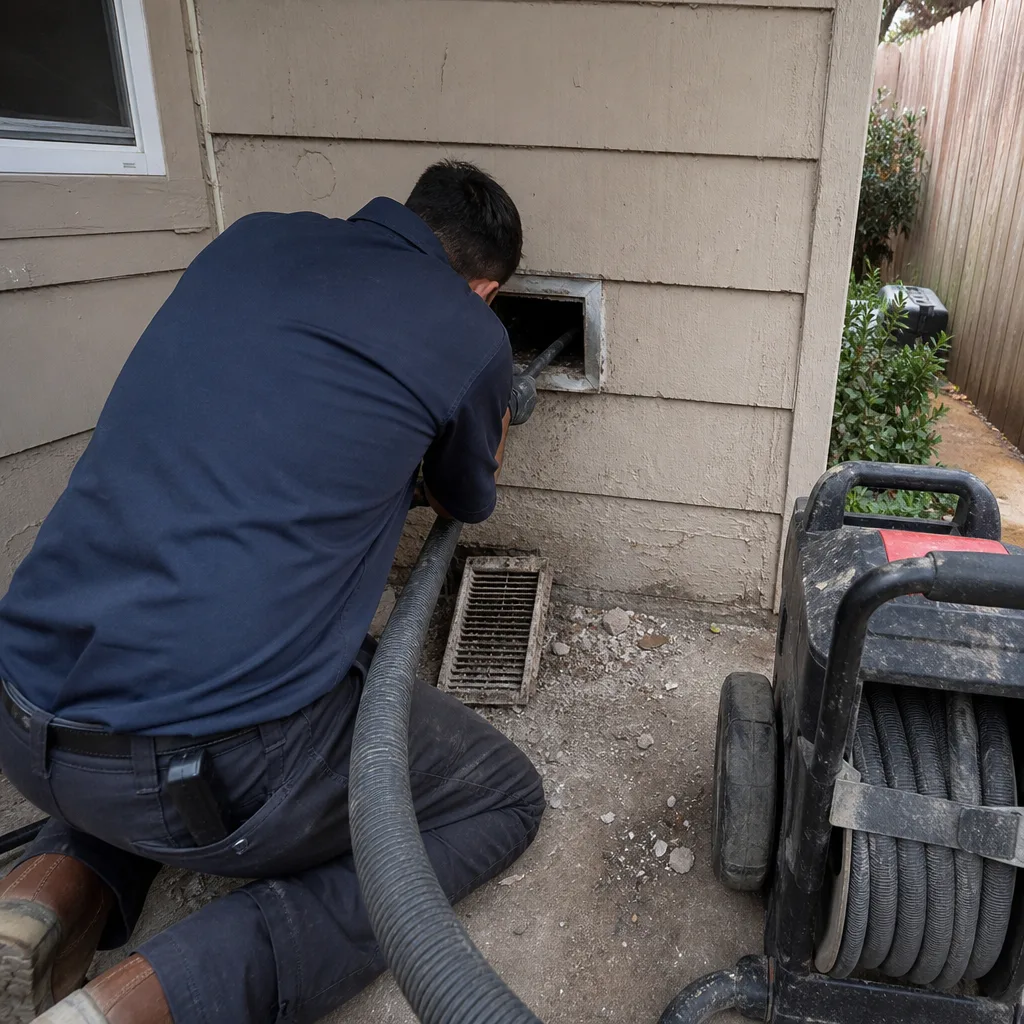 Before
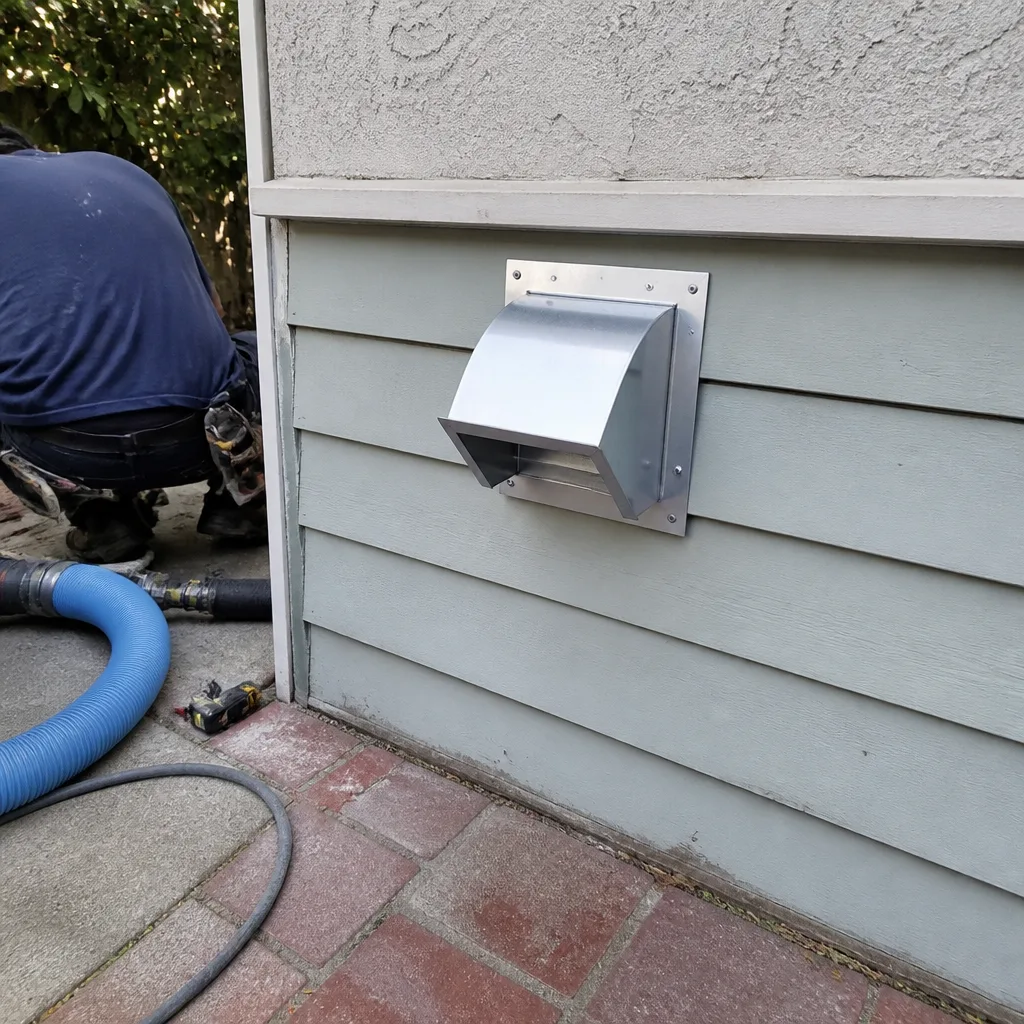 After
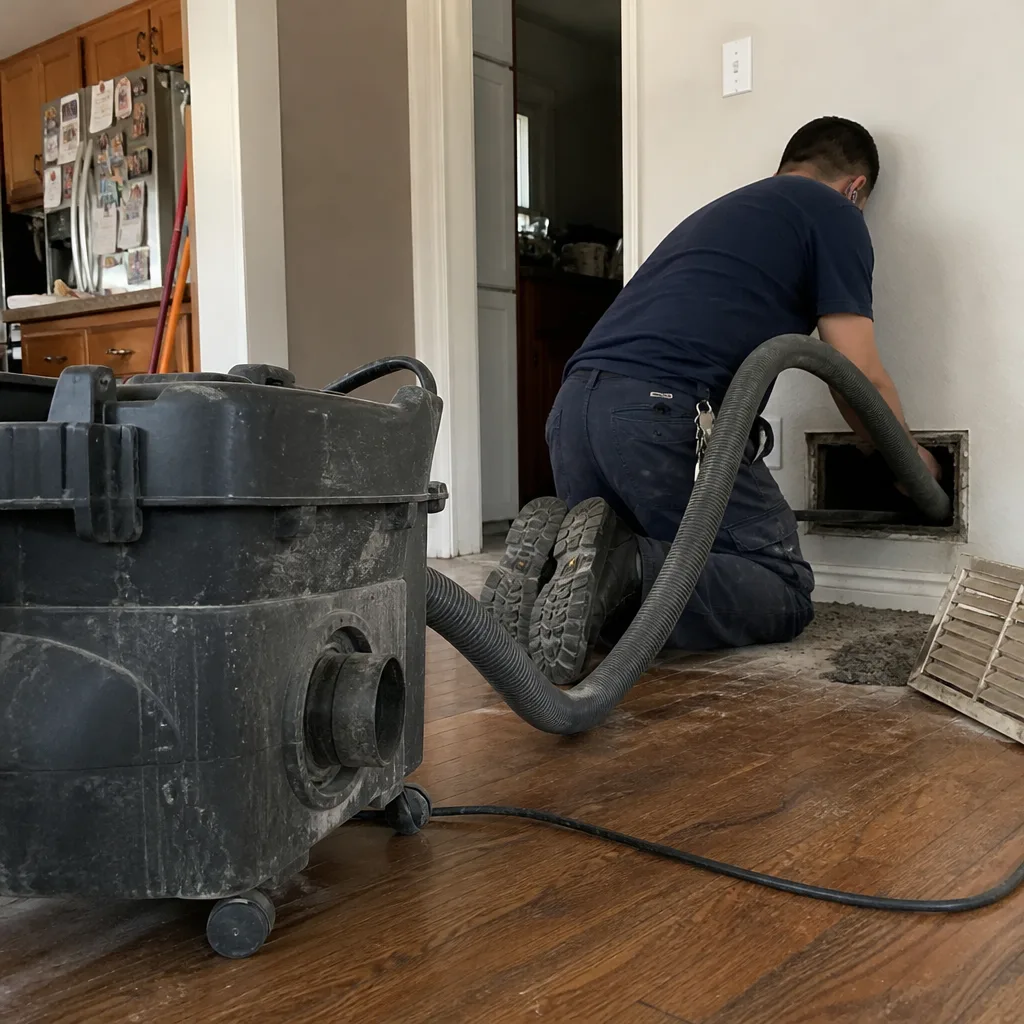 Before
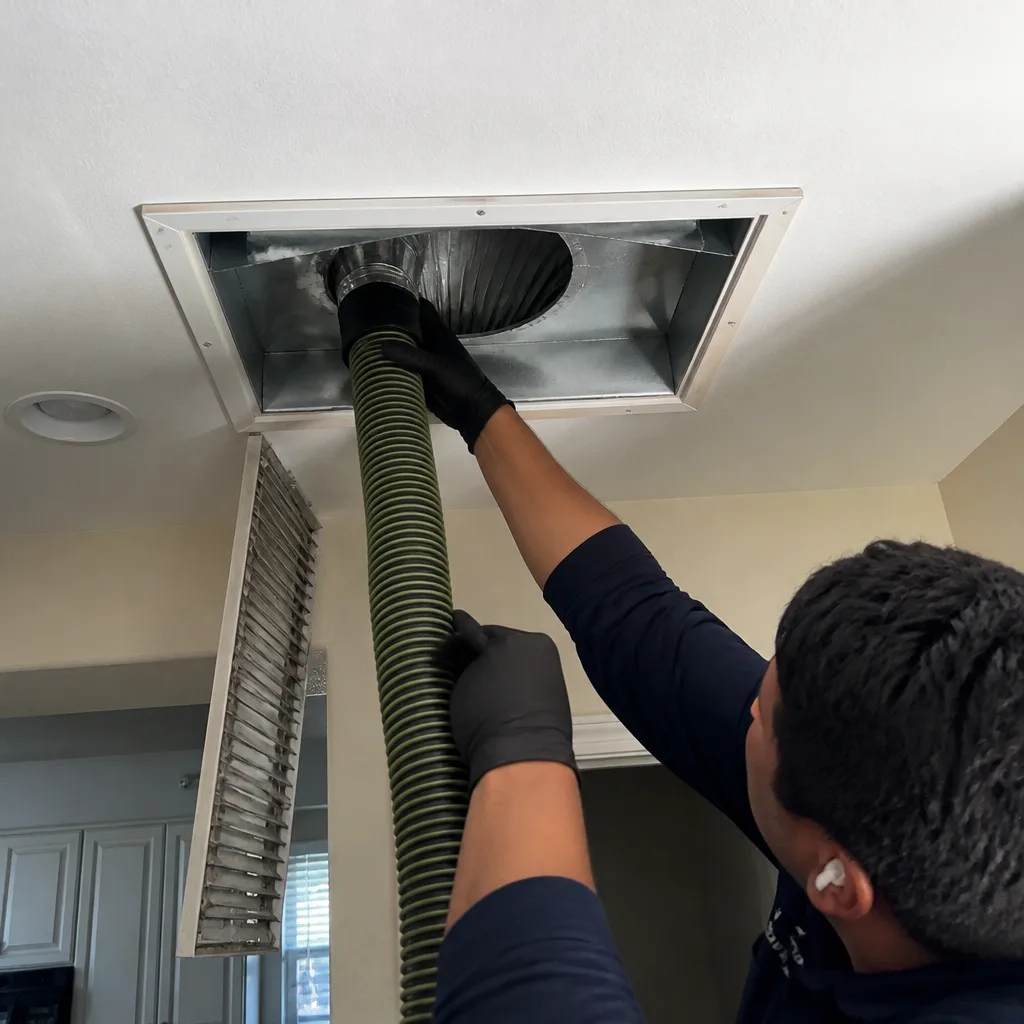 After
 Before
 After